
Expanding your warehouse vertically through mezzanine flooring is a highly efficient way to maximize usable space without expanding your building’s footprint. However, elevating personnel and high-value inventory introduces critical safety and compliance challenges. Integrating a specialized Fireproof Board into your mezzanine construction is not merely a structural upgrade—it is a mandatory safeguard designed to prevent catastrophic structural failure, ensure regulatory compliance, and protect lives during a fire emergency.
What is Fireproof Board?
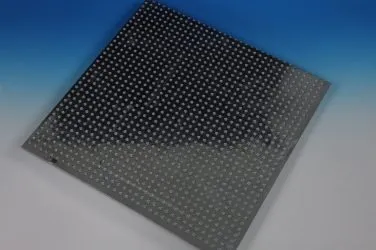
A Fireproof Board is an engineered construction material designed to resist high temperatures and prevent the spread of flames. In warehouse environments, these specialized panels form a protective barrier over structural framing, ensuring mezzanine floors maintain their integrity and load-bearing capacity during severe fire incidents.
Material Composition and Construction
Modern fire-resistant panels are manufactured using advanced non-combustible core materials, typically magnesium oxide, calcium silicate, or specialized gypsum blends reinforced with fiberglass. These boards are formulated to withstand extreme industrial environments while providing a stable, durable surface for heavy foot traffic and pallet jack operations.
- Magnesium Oxide (MgO): Offers exceptional fire resistance, immense structural strength, and high moisture tolerance.
- Calcium Silicate: Provides excellent thermal insulation and prevents heat transfer to underlying steel joists.
- Type X Gypsum: Features embedded glass fibers that prevent the core material from crumbling under intense heat.
FireSafe Pro Tip: Always verify the fire rating (e.g., 1-hour or 2-hour) of your chosen board against your specific local building codes, as industrial mezzanines usually require higher thresholds than standard commercial spaces.
How Does Fireproof Board Work?
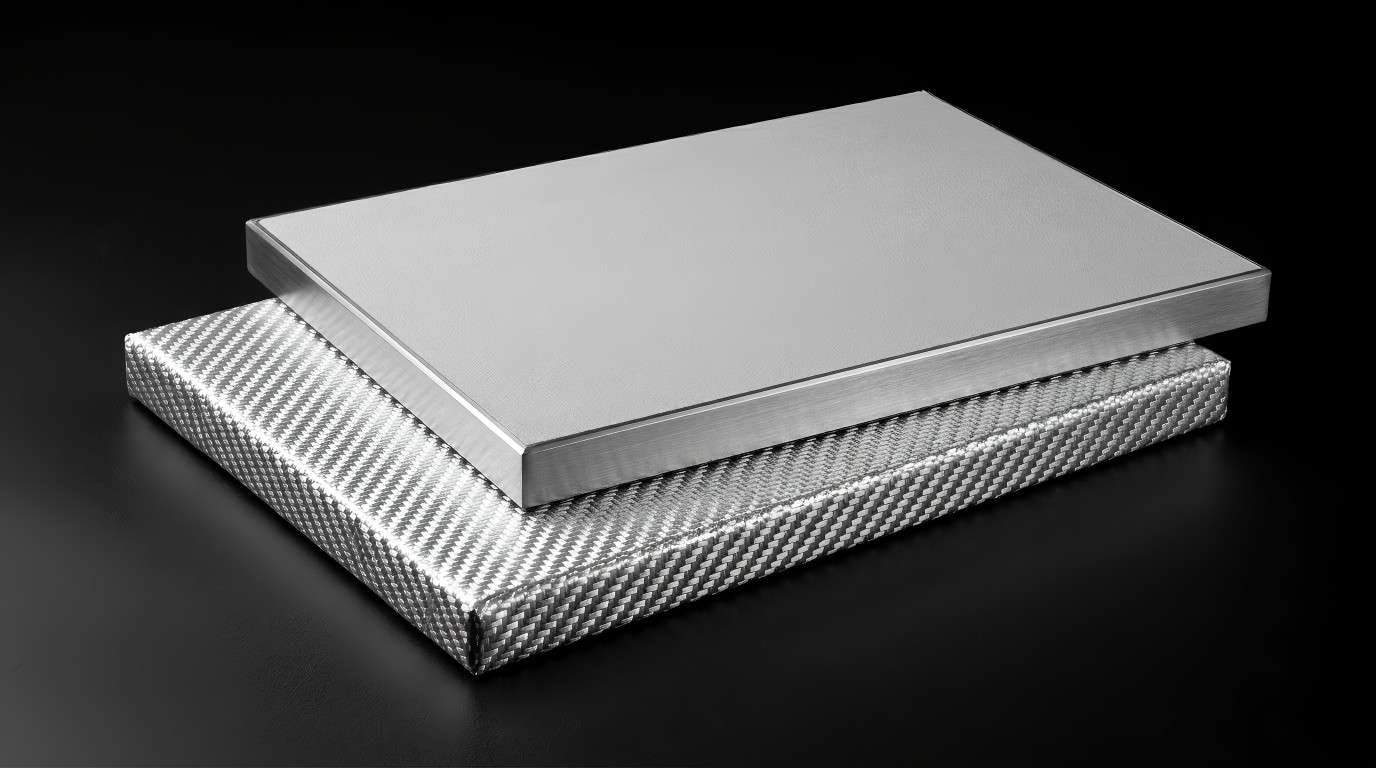
Fireproof Board works by utilizing endothermic chemical reactions and low thermal conductivity to block heat transfer. When exposed to fire, the materials release chemically bound water as steam, cooling the surface and delaying the ignition of underlying structural steel or wood supports.
Thermal Dynamics and Structural Protection
The primary function of these boards is to compartmentalize the fire and extend the time before structural collapse. Unprotected steel loses its load-bearing capacity at approximately 1,000°F (538°C). Fire-resistant flooring acts as a thermal shield, absorbing heat energy and preventing the mezzanine’s joists from reaching critical failure temperatures.
Based on our internal data and market analysis, here is the breakdown:
| Heat Exposure Phase | Board Reaction | Structural Impact |
|---|---|---|
| 0-15 Minutes (Ignition) | Surface reflects initial heat | Frame remains at ambient temperature |
| 15-45 Minutes (Growth) | Endothermic water vapor release | Load capacity maintained at 100% |
| 45-120 Minutes (Peak) | Calcination creates thermal barrier | Frame protected from yielding or buckling |
FireSafe Pro Tip: Ensure all joints and seams between boards are sealed with intumescent fire caulking. A fireproof floor is only as strong as its weakest seam, and unsealed gaps will allow heat to bypass the panels entirely.
Do mezzanines need fire protection?

Yes, mezzanines absolutely require fire protection. Because they create a secondary level within a facility, they alter the building’s fire dynamics, potentially obstructing sprinkler systems and trapping heat. Installing a Fireproof Board is essential to protect the structural integrity and provide safe egress for personnel.
Fire Dynamics in Multi-Tiered Warehouses
Adding a mezzanine changes how smoke and fire travel through a warehouse. The underside of the mezzanine can trap rising heat, accelerating flashover conditions. Building codes generally mandate that any mezzanine covering more than one-third of the room’s floor area must be treated as a separate story, triggering stringent fire-resistance rating (FRR) requirements for both the flooring and the supporting columns.
- Egress Safety: Provides a stable, non-combustible path for workers to evacuate safely during a fire.
- Asset Protection: Prevents inventory stored above and below the mezzanine from rapid destruction.
- Sprinkler Efficacy: Works in tandem with below-mezzanine sprinkler systems to contain localized fires effectively.
FireSafe Pro Tip: Even if your mezzanine is classified as a “temporary” or “equipment” structure, installing fire-rated flooring significantly reduces your liability and can dramatically lower your commercial property insurance premiums.
What are the OSHA requirements for a mezzanine?
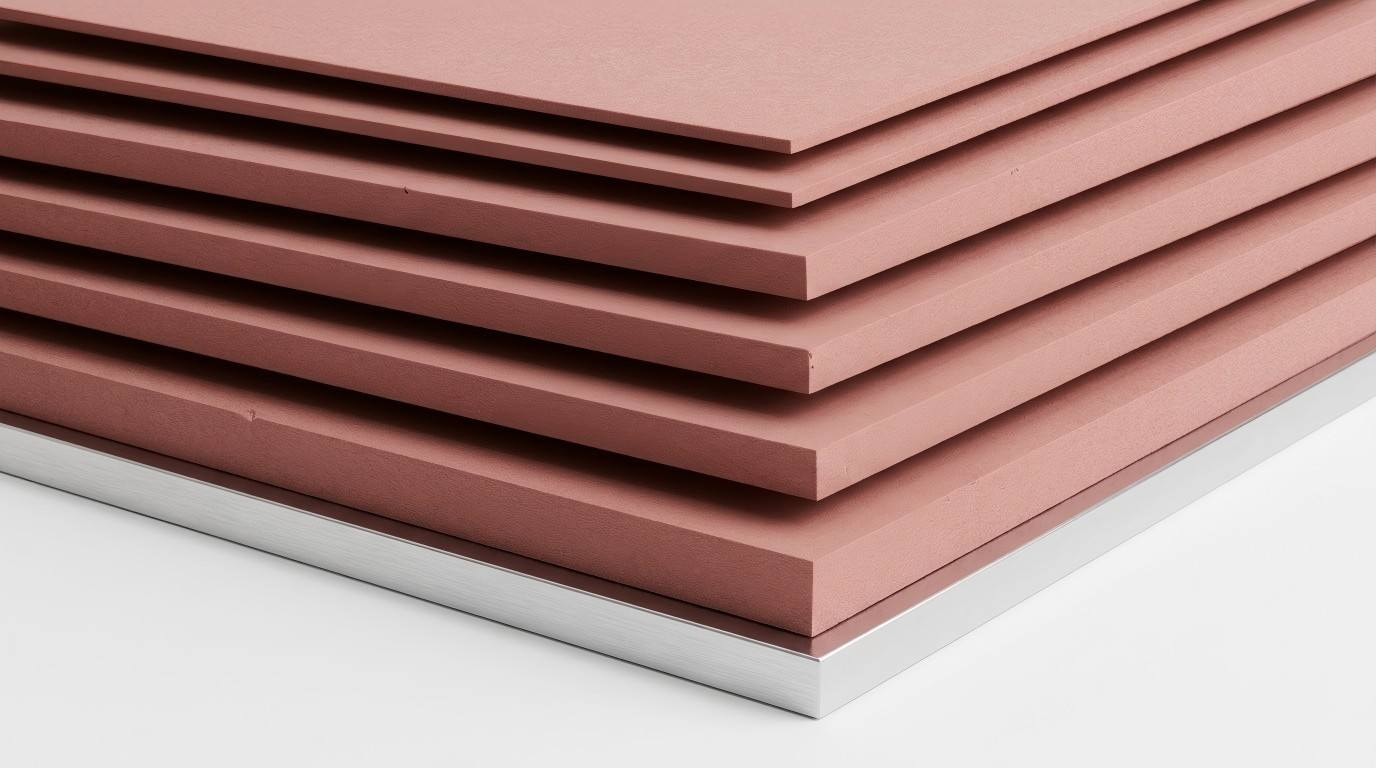
OSHA requires mezzanines to have adequate load-bearing capacity, safe access via compliant stairs, standard guardrails, and clear egress routes. While OSHA focuses strictly on worker safety, they reference local building codes and NFPA standards regarding the specific fire-resistance ratings required for the flooring materials.
Regulatory Compliance and Structural Safety
OSHA standards (specifically 29 CFR 1910) dictate the physical safety of the walking-working surfaces. However, for comprehensive fire safety, OSHA defers to the National Fire Protection Association (NFPA) and the International Building Code (IBC). A high-quality Fireproof Board helps meet these overlapping requirements by ensuring the walking surface does not collapse under its rated load during an emergency.
Based on our internal data and market analysis, here is the breakdown:
| Regulatory Body | Key Focus Area | Requirement Addressed by Fire Panels |
|---|---|---|
| OSHA | Walking-Working Surfaces | Non-slip, stable, load-bearing integrity |
| NFPA (Life Safety Code) | Egress and Evacuation | Maintains structural stability for safe escape |
| IBC (Building Code) | Structural Fire Resistance | 1-hour or 2-hour fire resistance rating |
FireSafe Pro Tip: Keep a documented certification of your flooring’s fire-resistance rating and load capacity on hand. OSHA inspectors will often request these documents during routine warehouse safety audits.
What is the best flooring for a mezzanine floor?
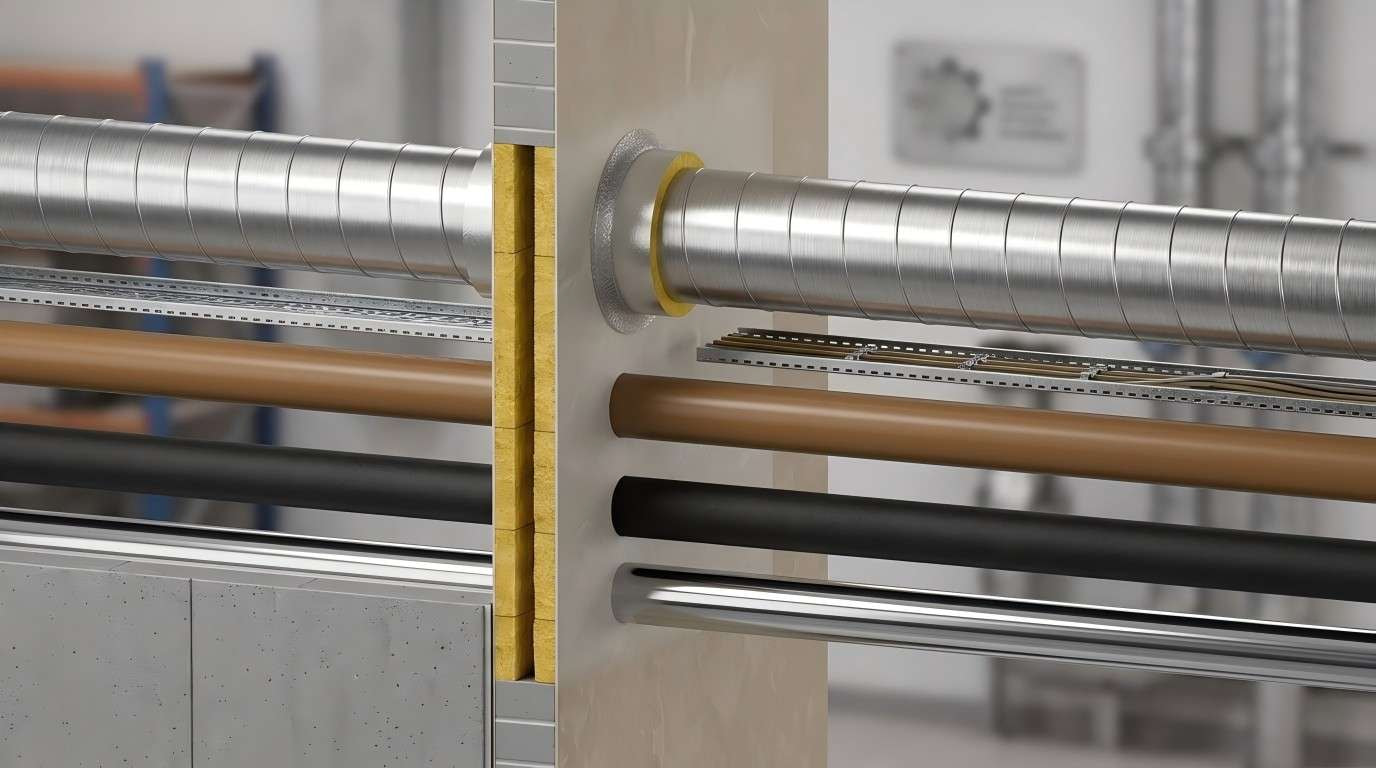
The best flooring for an industrial mezzanine combines high load capacity, durability, and strict fire resistance. Specialized Fireproof Boards, particularly those made from high-density magnesium oxide or cementitious composites, are the premier choice because they offer superior structural strength while easily meeting stringent warehouse fire codes.
Evaluating Mezzanine Flooring Options
Selecting the right flooring depends entirely on your warehouse operations. Plywood and resin-board are common due to lower upfront costs, but they are highly combustible. Steel grating allows for sprinkler penetration but makes pallet jack movement difficult. Fire-rated composite boards deliver the perfect balance: a solid, smooth surface for heavy machinery, coupled with the non-combustible properties required for maximum safety.
- High-Density MgO Boards: Best overall for fire resistance, moisture resistance, and extreme point-load capacity.
- Resin-Decking with Fire Coating: Good for general foot traffic, but intumescent coatings can wear off over time.
- Steel Bar Grating: Excellent for ventilation, but poor for rolling carts and allows smaller inventory items to fall through.
FireSafe Pro Tip: If you use pallet jacks or heavy rolling carts, opt for a high-density Fireproof Board with a specialized industrial overlay. This prevents the heavy polyurethane wheels from gouging the fire-resistant core over time.
Key Features & Comparison
When comparing mezzanine flooring solutions, critical features include fire rating duration, point-load capacity, weight, and installation efficiency. Dedicated Fireproof Boards consistently outperform traditional wood and unprotected steel by providing a lightweight yet structurally rigid barrier that guarantees extended fire protection and operational durability.
Performance Metrics Across Flooring Types
Understanding the performance differences between standard flooring and specialized fire-resistant panels is essential for long-term warehouse planning. Traditional materials often require secondary fireproofing treatments, such as intumescent paints or under-shielding, which drives up installation time, labor costs, and long-term maintenance needs.
Based on our internal data and market analysis, here is the breakdown:
| Flooring Material | Fire Resistance Rating | Load Capacity | Maintenance Need |
|---|---|---|---|
| Standard Plywood | None (Highly Combustible) | Medium | High (Susceptible to rot/wear) |
| Steel Grating | Non-Combustible (Warps in heat) | High | Low |
| FireSafe MgO Board | 1 to 2 Hours | Very High | Low (Highly Durable) |
FireSafe Pro Tip: Calculate the total installed cost, not just the material cost. While fire-rated boards have a higher upfront price per square foot, they often eliminate the need for expensive secondary under-mezzanine drywall or complex sprinkler drop installations.
Cost & Buying Factors
The cost of installing a Fireproof Board on your mezzanine is influenced by the required fire rating, board thickness, total square footage, and specific load-bearing requirements. While initial investments are higher than standard wood decking, the long-term savings in insurance premiums and regulatory compliance make it highly cost-effective.
Budgeting for Fire-Rated Mezzanine Upgrades
When purchasing fire-rated panels for warehouse expansions, facility managers must evaluate the total lifecycle cost. Cheaper materials may require frequent replacement due to heavy forklift traffic or fail to meet evolving NFPA standards, leading to costly facility retrofits. Investing in premium fire-resistant boards ensures decades of compliant, maintenance-free operation.
- Thickness and Density: Thicker boards (e.g., 1-1/8 inch) cost more but provide exponentially higher point-load ratings for heavy equipment.
- Surface Finish: Boards with pre-applied anti-slip or wear-resistant industrial coatings reduce installation time but add to the initial unit cost.
- Freight and Handling: Due to their high density, shipping costs for fireproof panels can be significant; source locally or order in bulk to reduce freight overhead.
FireSafe Pro Tip: Work closely with your structural engineer before purchasing. Over-specifying board thickness can add unnecessary dead weight to your mezzanine’s steel frame, potentially requiring costly structural reinforcements.
Conclusion
Integrating a specialized Fireproof Board into your warehouse mezzanine is a non-negotiable investment in facility safety, regulatory compliance, and operational continuity. By choosing the right fire-rated materials, you protect your workforce, safeguard valuable inventory, and future-proof your industrial space against catastrophic fire events.
Final Steps for Mezzanine Safety
Upgrading your mezzanine flooring is a strategic decision that pays dividends in safety and peace of mind. As warehouse operations grow more complex, ensuring that every elevated platform meets strict fire codes is critical. Evaluate your current flooring, consult with a fire safety professional, and transition to reliable fire-resistant panels to secure your facility’s operational future.
- Conduct a thorough audit of your existing mezzanine flooring and underlying structural supports.
- Consult local building code officials to determine exact hourly fire-rating requirements for your specific jurisdiction.
- Request physical samples and load-testing data from trusted Fireproof Board manufacturers before making a final procurement decision.
FireSafe Pro Tip: Don’t wait for a failed fire inspection to upgrade your flooring. Proactive installation of fire-rated boards guarantees uninterrupted warehouse operations and demonstrates a steadfast commitment to top-tier safety standards.