When managing large-scale construction or industrial projects, standard building materials often fall short of meeting specific architectural and safety requirements. Customizing a Fireproof Board allows contractors to tailor dimensions, thicknesses, and performance ratings to exact project specifications. This flexibility ensures seamless integration into complex structural designs while maintaining rigorous compliance with commercial fire safety codes, ultimately reducing installation time and material waste.
What is Fireproof Board?
A Fireproof Board is a specialized construction material engineered to resist high temperatures and prevent the spread of flames. Composed of non-combustible core materials like magnesium oxide, calcium silicate, or specially treated gypsum, these boards provide critical الحماية السلبية من الحرائق for structural integrity and occupant safety.
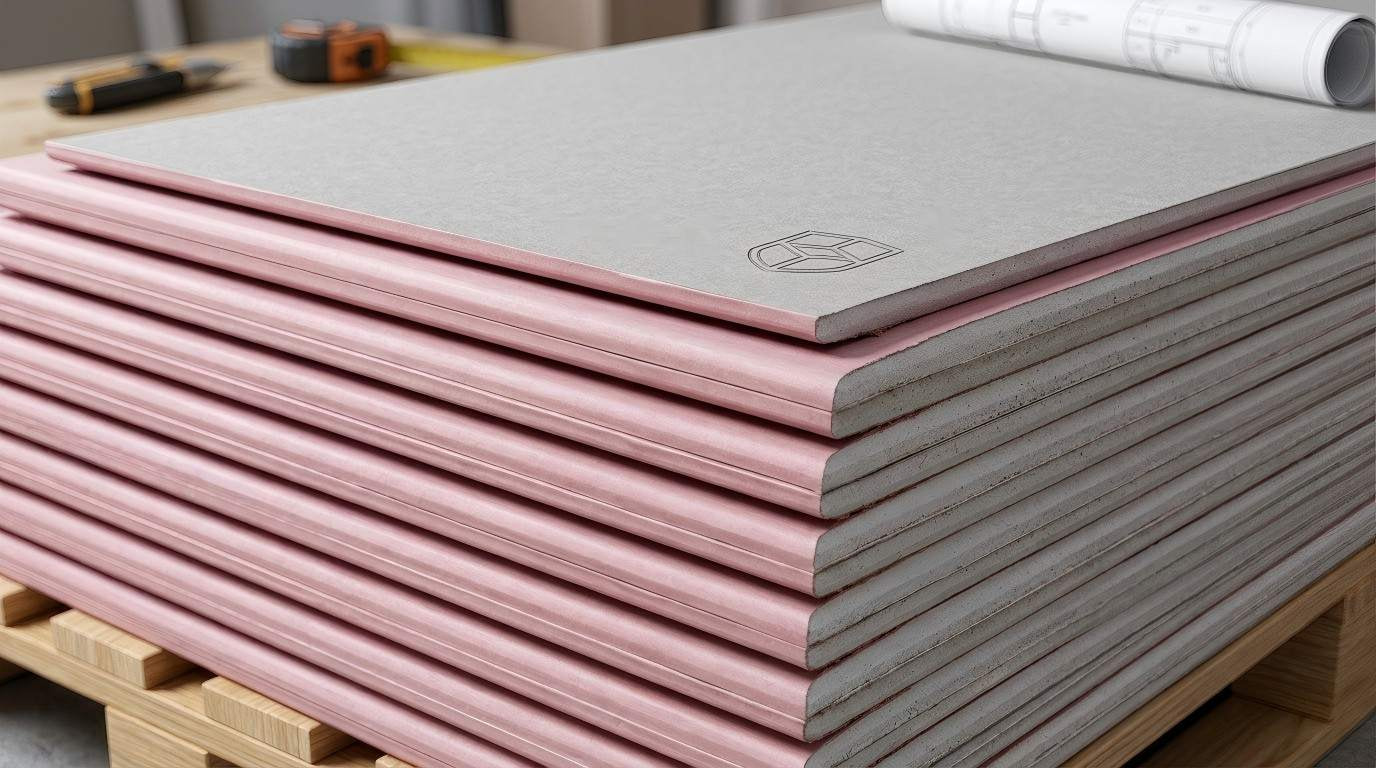
Core Composition and Manufacturing
The effectiveness of these boards lies in their precise chemical makeup and structural engineering. Manufacturers bind inorganic materials under high pressure and heat to create dense, durable panels designed for specific environmental challenges.
- Magnesium Oxide (MgO): Offers exceptional heat resistance and structural strength without releasing toxic fumes when exposed to open flames.
- Calcium Silicate: Highly durable and moisture-resistant, making it ideal for industrial, subterranean, and high-humidity environments.
- Type X Gypsum: Contains densely packed glass fibers that maintain the board’s structural integrity even as the gypsum core dehydrates during a fire.
FireSafe Pro Tip: Always verify that your customized boards carry third-party certifications, such as UL or ASTM ratings, to ensure they meet your local building authority’s strict safety standards.
How Does Fireproof Board Work?
Fireproof boards work through endothermic reactions and physical insulation. When exposed to extreme heat, chemically bound water molecules within the board are released as steam, cooling the surrounding area. Simultaneously, the dense, non-combustible core acts as a physical barrier, delaying heat transfer and flame penetration.
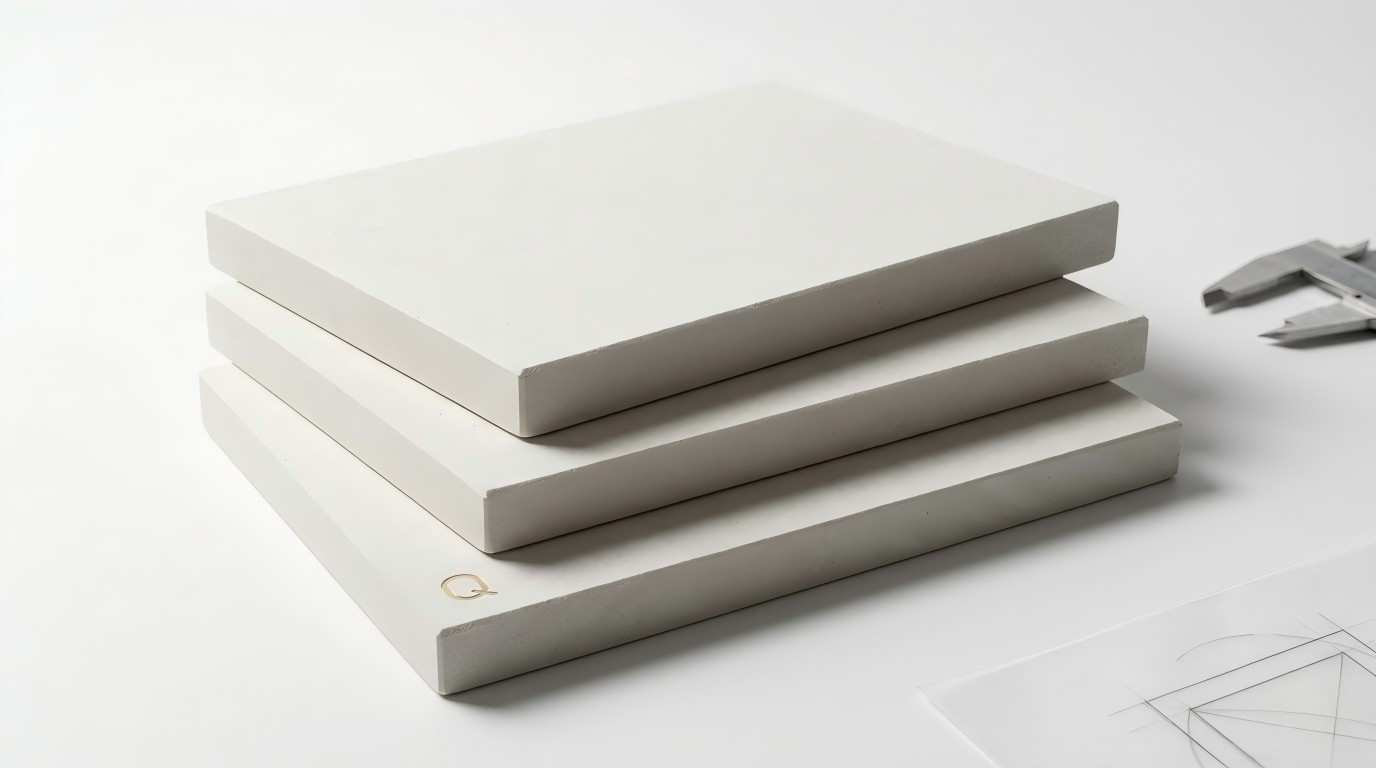
The Mechanics of Passive Fire Protection
Understanding the physical and chemical processes during a fire helps in selecting the right board for your project. The board’s primary function is not just to survive the fire, but to buy critical time for evacuation and emergency response.
- Calcination: The process where heat drives off crystallized water within the board, actively absorbing thermal energy and cooling the immediate environment.
- العزل الحراري: The dense matrix of the board prevents the rapid transfer of heat to the opposite side, protecting structural framing and adjacent rooms.
- Smoke and Gas Containment: A properly sealed board system prevents toxic fumes and smoke—the leading causes of fire-related casualties—from migrating between building zones.
FireSafe Pro Tip: To maximize the effectiveness of the board’s barrier system, ensure that all joints and fastener heads are sealed with fire-rated acoustic caulk or specialized fire-taping compounds.
What thickness is needed for fireproofing?
The required thickness for fireproofing depends entirely on the target تصنيف مقاومة الحرائق (FRR) of the assembly, typically ranging from 1 to 4 hours. Commercial projects generally require thicknesses between 1/2 inch to over 2 inches, depending on whether it protects steel beams, walls, or ceilings.
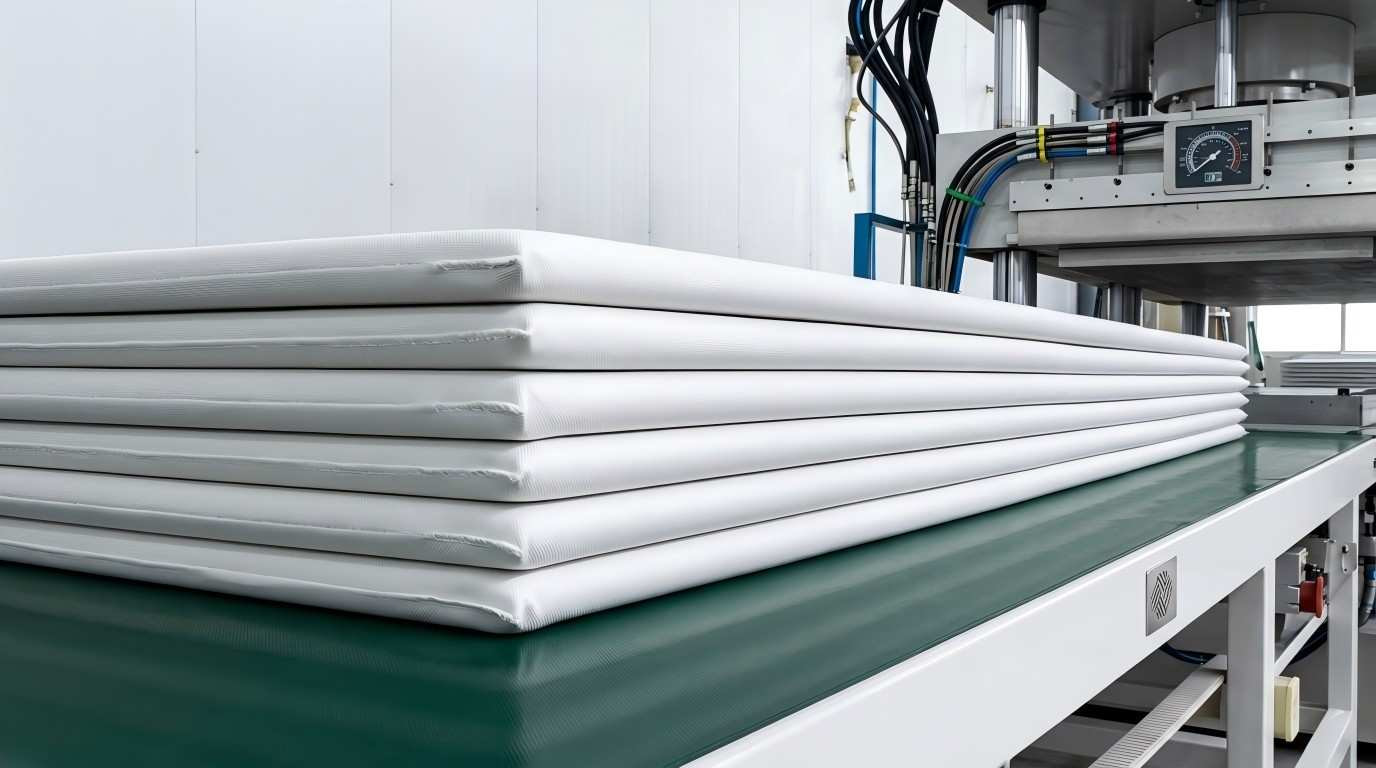
Custom Thickness Strategies for Large Projects
Large-scale projects often require customized thicknesses to balance weight, cost, and safety. Specifying the exact thickness ensures that structural elements do not fail prematurely under thermal stress.
Based on our internal data and market analysis, here is the breakdown:
| Target Fire Rating | Structural Application | Recommended Minimum Thickness |
|---|---|---|
| 1-Hour | Interior Partitions | 5/8 inch (Single Layer) |
| 2-Hour | Load-Bearing Walls | 1-1/4 inches (Double Layer) |
| 3-Hour | Steel Columns/Beams | 1-1/2 to 2 inches |
| 4-Hour | High-Risk Enclosures | 2+ inches (Custom Engineered) |
FireSafe Pro Tip: When customizing thickness for structural steel, account for the steel’s W/D (weight-to-heated perimeter) ratio, as lighter steel requires thicker fireproofing than heavy steel to achieve the same rating.
What is the thickness of fire rated board?
Standard fire-rated boards typically come in 1/2-inch, 5/8-inch, and 3/4-inch thicknesses. However, for large projects requiring custom dimensions, manufacturers can produce specialized boards ranging from ultra-thin 1/4-inch panels for specific laminations up to heavy-duty 2-inch monolithic slabs for industrial applications.
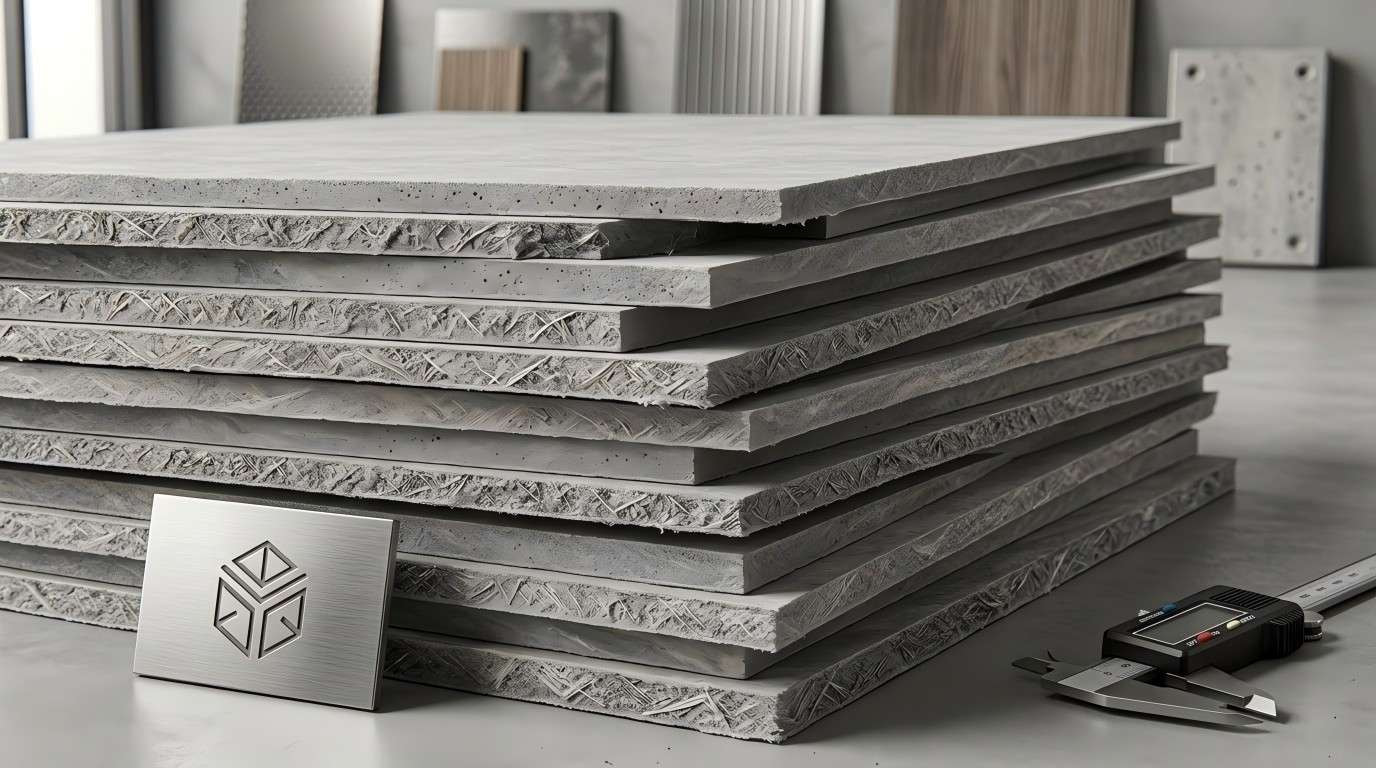
Standard vs. Custom Dimensions
While off-the-shelf boards meet the needs of standard residential construction, commercial builds frequently demand custom dimensions to optimize labor and material handling. Custom boards can be ordered in extended lengths and specific thicknesses to minimize joints.
- Standard Profiles: 5/8″ Type X is the industry standard for 1-hour wall assemblies in most commercial buildings.
- High-Density Profiles: 3/4″ boards offer higher impact resistance alongside enhanced fire ratings, ideal for high-traffic corridors.
- Custom Profiles: Multi-layered or extra-thick boards are engineered specifically to reduce installation steps and labor costs on massive commercial sites.
FireSafe Pro Tip: Ordering custom-length boards (e.g., 10-foot or 12-foot panels) for high ceilings drastically reduces horizontal butt joints, which are structurally the weakest points in a fire-rated assembly.
What thickness is fire-resistant drywall?
Fire-resistant drywall, commonly known as Type X, is predominantly manufactured at a thickness of 5/8 inch. For more stringent fire codes requiring extended protection, Type C drywall is also available in 1/2-inch and 5/8-inch thicknesses, featuring a specially formulated core that prevents shrinkage under extreme heat.
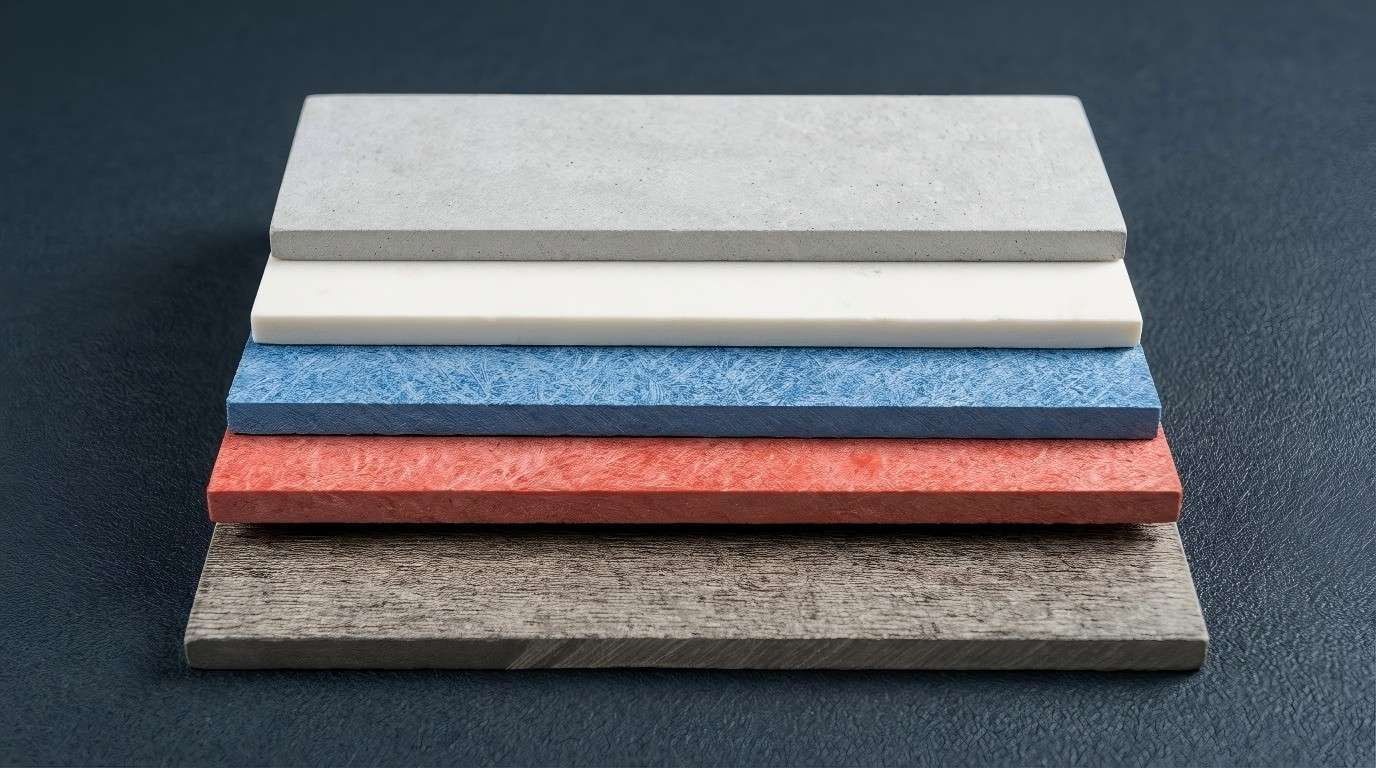
Understanding Type X and Type C Drywall
Knowing the distinction between the types of fire-resistant drywall is crucial for specifying materials on a large project. Both types utilize glass fibers to maintain structural integrity, but they perform differently under sustained heat.
Based on our internal data and market analysis, here is the breakdown:
| Drywall Type | Standard Thickness | Core Additives | Primary Use Case |
|---|---|---|---|
| Regular | 1/2 inch | لا يوجد | Non-rated interior walls |
| Type X | 5/8 inch | Glass fibers | Standard 1-hour fire-rated assemblies |
| Type C | 1/2″ or 5/8″ | Glass fibers & vermiculite | Ceilings and 2-hour+ rated assemblies |
FireSafe Pro Tip: Never substitute 5/8-inch Type X drywall with standard 5/8-inch drywall. Only panels explicitly stamped with “Type X” or “Type C” have the necessary core additives to pass commercial fire code inspections.
Key Features & Comparison
When evaluating customized fireproof panels for large projects, the most critical features include fire resistance duration, moisture tolerance, impact strength, and acoustic insulation. Comparing these attributes ensures that the specified material not only meets fire codes but also withstands the environmental stresses of the building.
Material Performance Comparison
Selecting the right base material for your custom boards is just as important as choosing the correct dimensions. Different core materials offer unique benefits beyond just stopping flames.
Based on our internal data and market analysis, here is the breakdown:
| Material Type | مقاومة الحرائق | مقاومة الرطوبة | Impact Strength | Relative Cost |
|---|---|---|---|---|
| Type X Gypsum | Moderate (1-2 Hrs) | Low | Low | $ |
| سيليكات الكالسيوم | High (2-4 Hrs) | عالية | معتدل | $$ |
| Magnesium Oxide | Very High (2-4 Hrs) | Very High | عالية | $$$ |
| لوح أسمنتي | High (1-2 Hrs) | Very High | Very High | $$ |
FireSafe Pro Tip: For exterior applications or areas prone to high humidity, such as parking garages or industrial kitchens, always upgrade to Calcium Silicate or Magnesium Oxide boards, as standard gypsum will degrade and fail when wet.
Cost & Buying Factors
The cost of customizing fireproof boards is influenced by the base material, exact thickness, required fire rating, and total order volume. While custom dimensions may carry a higher initial manufacturing premium, they drastically reduce labor costs, joint finishing time, and material waste on large-scale projects.
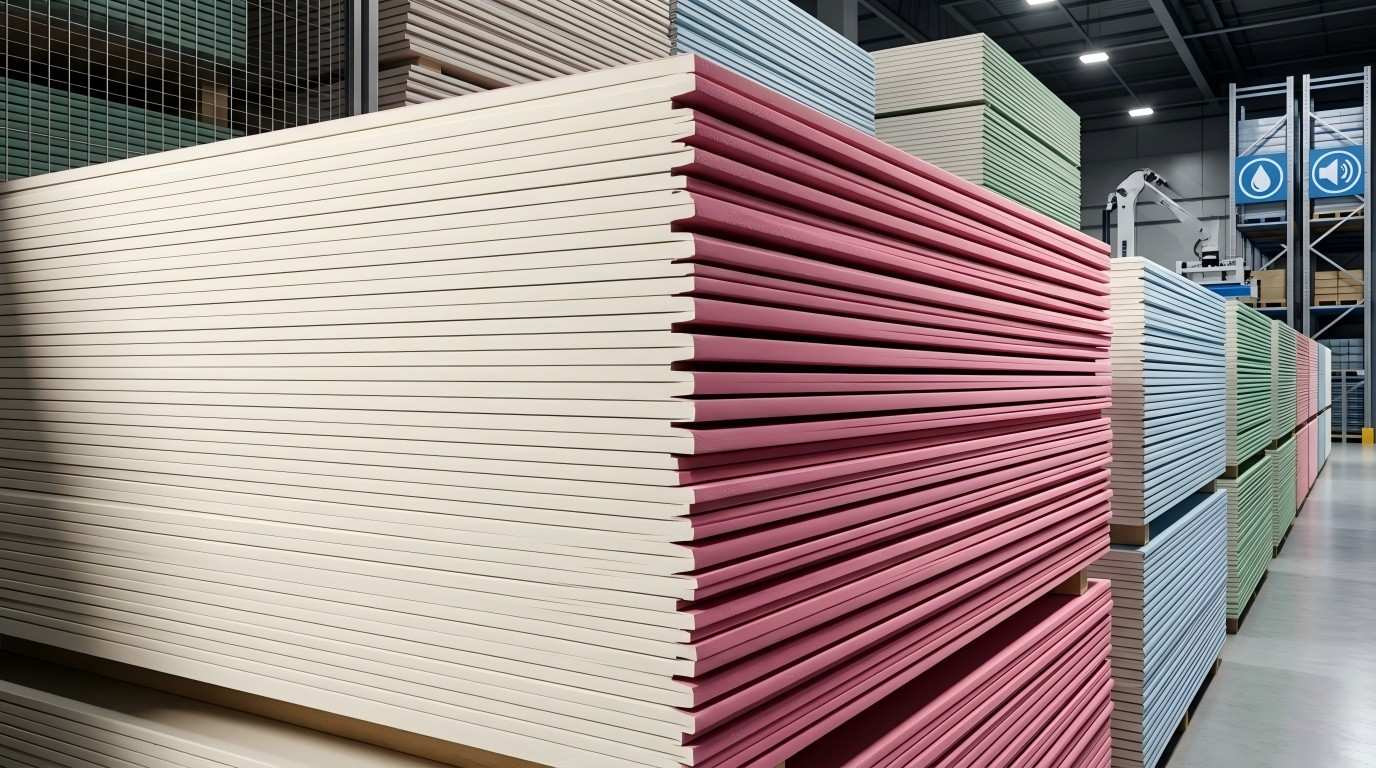
Procurement Strategies for Large Projects
Managing the budget for custom fireproofing requires a holistic view of the project’s lifecycle costs rather than just looking at the per-sheet price.
- Volume Discounts: Ordering custom sizes directly from the manufacturer for large projects often unlocks bulk pricing tiers that easily offset any customization fees.
- Labor Savings: Custom lengths that match floor-to-ceiling heights eliminate the need for horizontal taping and mudding, saving thousands of labor hours.
- Freight and Logistics: Always factor in shipping costs for oversized boards, as panels longer than 12 feet may require specialized flatbed transport and on-site handling equipment.
FireSafe Pro Tip: Engage with manufacturers early in the design phase. By coordinating custom board dimensions with your architectural grid, you can achieve a zero-waste installation process that maximizes your budget.
الخاتمة
Customizing the dimensions and thickness of a Fireproof Board is a highly effective strategy for optimizing safety, efficiency, and cost on large-scale projects. By tailoring the materials to exact architectural specifications, contractors can achieve seamless fire-rated assemblies that strictly adhere to building codes.
Finalizing Your Fire Protection Strategy
Investing in custom fireproof solutions ensures that your building’s passive fire protection is engineered precisely for its unique structural demands. Whether you require standard 5/8-inch Type X for interior partitions or custom 2-inch calcium silicate slabs for industrial steel protection, working closely with trusted manufacturers guarantees compliance and long-term performance.
- Assess exact fire rating requirements (1 to 4 hours) for every zone.
- Determine environmental factors, including moisture exposure and high-impact areas.
- Calculate optimal custom board dimensions to minimize joints and labor.
- Consult with structural engineers and local fire marshals to verify assembly compliance.
FireSafe Pro Tip: Protect your investment by ensuring your installation crew is specifically trained in handling and fastening custom-sized fireproof panels, as improper installation or incorrect fastener spacing can void the fire rating entirely.