Modern high-rise construction demands uncompromising safety standards, making the integration of specialized fire-resistant materials absolutely essential. A high-quality fireproof board serves as the primary line of defense against structural collapse and rapid flame spread in tall buildings. By compartmentalizing spaces and protecting critical load-bearing elements, these advanced panels ensure that occupants have adequate time to evacuate and emergency responders can operate safely during a crisis.
Video Guide: Discover how specialized fire-resistant materials and boards are engineered to save lives in modern building structures.
What is Fireproof Board?
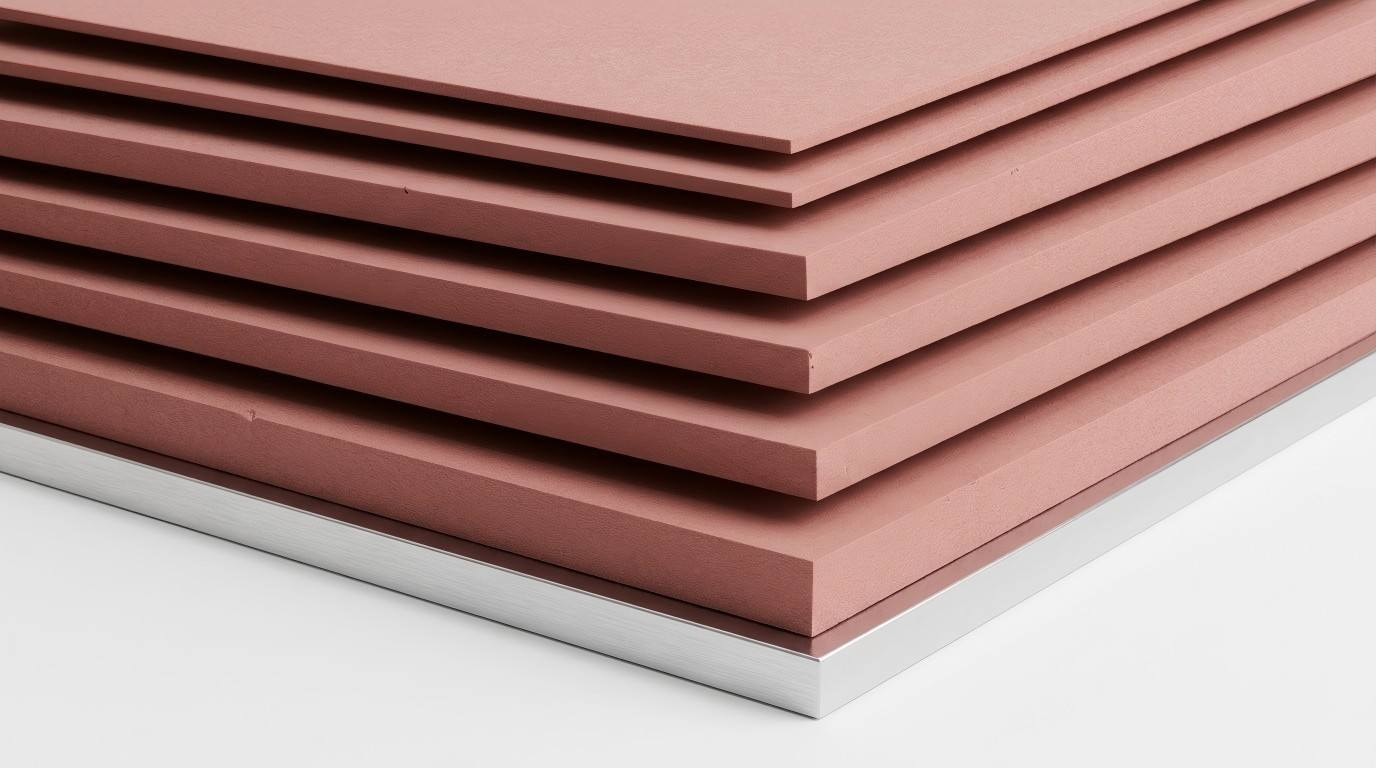
A fireproof board is a specialized construction panel manufactured from non-combustible materials like magnesium oxide, calcium silicate, or gypsum. Engineered to withstand extreme temperatures, these boards prevent flame spread, reduce smoke generation, and protect the structural integrity of high-rise buildings during catastrophic fire events.
Video Guide: Understand the critical difference between combustible exterior cladding and true fire-resistant building panels in high-rise fires.
Composition and Manufacturing
Modern fireproof boards are engineered using a matrix of inorganic materials that inherently resist combustion. Understanding what goes into these panels helps clarify why they are so effective in high-rise applications:
- Magnesium Oxide (MgO): A highly durable mineral compound that offers exceptional fire resistance and moisture control.
- Calcium Silicate: Known for its structural stability under high heat, often used to encase steel beams.
- Glass Fiber Reinforcement: Embedded within the core to prevent the board from cracking or shattering when exposed to rapid temperature changes.
- Vermiculite/Perlite Additives: Lightweight volcanic minerals that expand when heated, providing an extra layer of thermal insulation.
FireSafe Pro Tip: Always verify that your fireproof board carries an A1 non-combustible rating, which is the gold standard for high-rise interior and exterior applications.
How Does Fireproof Board Work?
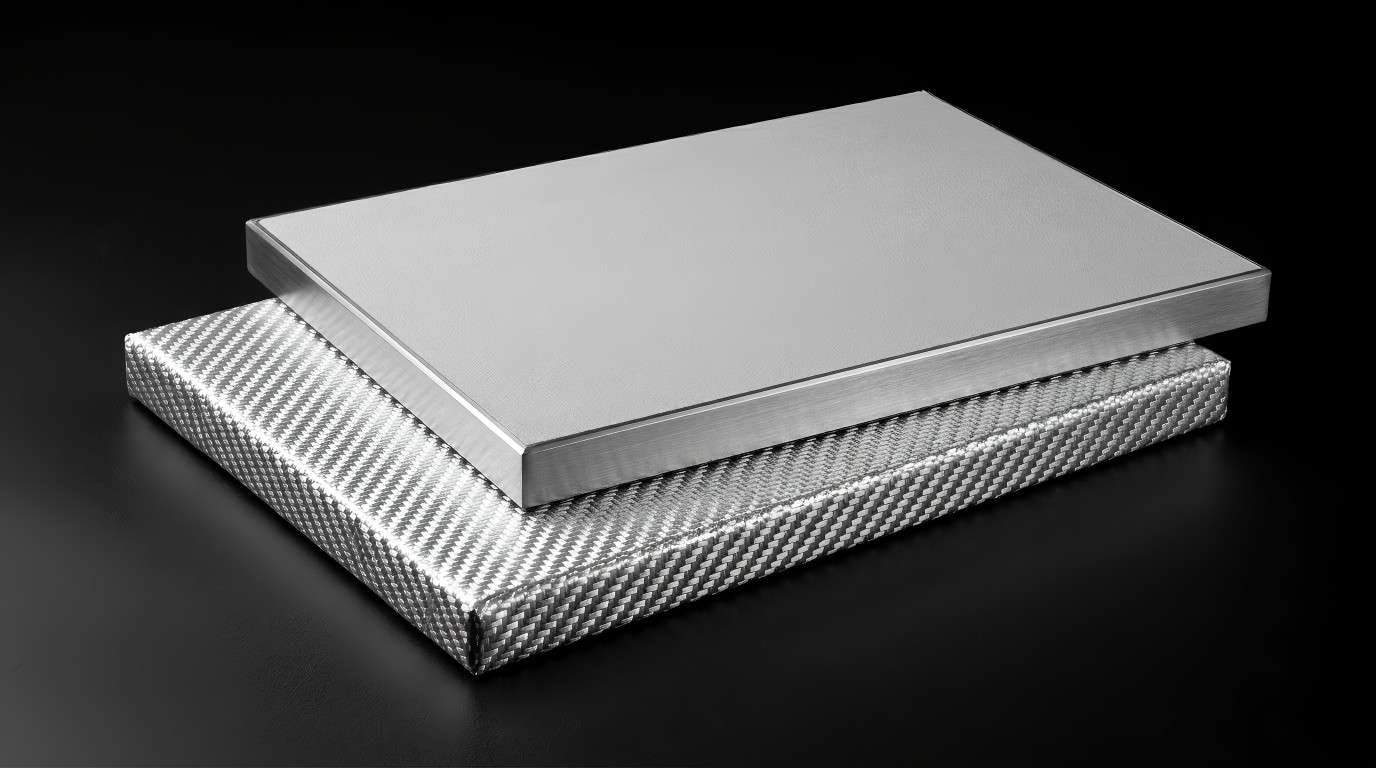
Fireproof boards function through endothermic reactions و thermal insulation. When exposed to intense heat, the core materials release chemically bound water as steam, actively cooling the panel’s surface. Simultaneously, the dense mineral matrix acts as a barrier, preventing heat transfer to vulnerable structural supports.
The Thermodynamics of Fire Resistance
Passive fire protection relies heavily on the physical and chemical properties of the board. The process of resisting a fire follows a specific sequence of thermodynamic events:
- Thermal Shock Resistance: The board absorbs the initial blast of heat without fracturing, maintaining a physical barrier against open flames.
- Endothermic Cooling: Chemically bound water molecules within the board’s core vaporize, consuming massive amounts of heat energy in the process.
- Insulation Phase: As the moisture is depleted, the remaining calcined mineral structure forms a highly insulative crust that blocks heat transfer.
- Structural Preservation: By keeping the temperature on the unexposed side below critical thresholds, the board prevents steel frameworks from reaching their melting or buckling points.
FireSafe Pro Tip: Ensure proper joint sealing during installation; a fireproof board’s effectiveness is completely compromised if fire can penetrate the seams between panels.
What are the fire protection requirements for high-rise buildings?
High-rise buildings mandate strict fire protection requirements, including multi-hour fire-rated walls, automated sprinkler systems, and protected evacuation stairwells. Building codes dictate that structural steel must be encased in fireproof board or intumescent coatings to prevent softening and collapse under extreme, prolonged thermal stress.
Video Guide: Review the SFPE guidelines for implementing comprehensive fire safety measures in very tall buildings.
Core Code Compliance Mandates
Based on our internal data and market analysis, here is the breakdown:
| Building Element | Minimum Fire Rating | Recommended FireSafe Solution |
|---|---|---|
| Structural Steel Columns | 2 to 4 Hours | High-Density Calcium Silicate Board |
| Elevator Shafts | 2 Hours | Magnesium Oxide (MgO) Board |
| Egress Corridors | 1 to 2 Hours | Fire-Rated Gypsum or MgO |
| Exterior Cladding Backer | Non-Combustible (A1) | Weather-Resistant Cementitious Board |
FireSafe Pro Tip: In buildings over 75 feet, prioritize fireproof boards with a minimum 2-hour fire-resistance rating for all elevator shafts and egress corridors to comply with international building codes.
What to do if there is a fire in a high-rise?
During a high-rise fire, immediately activate the nearest fire alarm and follow the building’s specific evacuation protocol. If the fire is on your floor, evacuate using the stairs; if trapped, seal doors with wet towels, call emergency services, and wait by a window for rescue.
Video Guide: Learn the specific protocols and survival strategies for navigating fire emergencies in high-rise structures.
High-Rise Evacuation Protocols
Surviving a high-rise fire requires a clear understanding of the building’s safety systems and proper evacuation procedures:
- Know Your Routes: Always identify at least two evacuation stairwells from your floor upon moving into or visiting a high-rise.
- Test Doors for Heat: Before opening any door, feel it with the back of your hand. If it is hot, do not open it; find an alternate route.
- Stay Low: Smoke and toxic gases rise. Crawl close to the floor where the air is cleaner and cooler.
- Defend in Place: If evacuation is impossible, stay in your room, block smoke from entering under the door, and signal for help using a brightly colored cloth in the window.
FireSafe Pro Tip: Never use elevators during a fire evacuation, as power failures can trap you inside, and elevator shafts often act as chimneys for toxic smoke.
What are the 4 principles of fire safety?
The four fundamental principles of fire safety are life safety, property protection, continuity of operations, and environmental protection. In high-rise construction, these principles are achieved through a combination of active suppression systems, passive containment using fireproof boards, rapid detection, and clear egress routing.
The Four Pillars of Fire Defense
Every comprehensive high-rise fire strategy is built upon these four foundational pillars:
- سلامة الحياة: The absolute highest priority, ensuring that occupants are alerted early and have protected, fire-rated pathways to exit the building safely.
- حماية الممتلكات: Utilizing robust materials like fireproof boards to limit structural damage, compartmentalize the blaze, and prevent total building collapse.
- Continuity of Operations: Designing the building so that a localized fire causes minimal disruption to the rest of the structure, allowing businesses or residents to return quickly.
- Environmental Protection: Minimizing the release of toxic smoke, hazardous chemical run-off from firefighting foams, and airborne pollutants through the use of eco-friendly, non-toxic building materials.
FireSafe Pro Tip: Passive fire protection, such as installing high-density fireproof boards, is the most reliable pillar because it requires no power, water, or mechanical activation to work during an emergency.
Key Features & Comparison
Selecting the right fireproof board requires evaluating fire ratings, moisture resistance, and mechanical strength. Different materials offer distinct advantages; for example, magnesium oxide excels in high-humidity environments, while calcium silicate provides superior structural rigidity for load-bearing high-rise applications.
Material Performance Breakdown
Based on our internal data and market analysis, here is the breakdown:
| Board Type | مقاومة الحرائق | مقاومة الرطوبة | Impact Strength | Best High-Rise Application |
|---|---|---|---|---|
| Magnesium Oxide (MgO) | Excellent (Up to 4 hrs) | عالية | عالية | Shaft walls, damp areas, sub-floors |
| سيليكات الكالسيوم | Excellent (Up to 4 hrs) | Medium | Very High | Structural steel encasement |
| Fire-Rated Gypsum | Good (1 to 2 hrs) | Low | Medium | Interior partition walls |
| لوح أسمنتي | Very Good (Up to 3 hrs) | Very High | عالية | Exterior sheathing, wet zones |
FireSafe Pro Tip: For subterranean levels or areas prone to dampness, always opt for Magnesium Oxide (MgO) boards to prevent mold while maintaining maximum fire resistance.
Cost & Buying Factors
The cost of fireproof boards varies based on material composition, thickness, and certified fire ratings. While premium panels require a higher initial investment, they significantly reduce long-term insurance premiums and maintenance costs by providing superior, code-compliant protection for high-rise commercial real estate.
Budgeting for Passive Fire Protection
When procuring materials for a high-rise project, consider the holistic cost rather than just the retail price of the panels:
- Certification Costs: Boards that carry مختبرات أندررايترز (UL) or Intertek certifications command a premium but are mandatory for code compliance.
- Labor and Installation: Heavier boards like cement or thick calcium silicate require more labor to cut and lift, increasing installation time and costs.
- Ancillary Materials: Factor in the cost of fire-rated sealants, specialized screws, and joint compounds required to maintain the wall’s overall fire rating.
- Lifecycle Savings: Investing in highly durable, moisture-resistant boards reduces the need for future replacements and lowers liability insurance rates.
FireSafe Pro Tip: Do not base your purchasing decision solely on the cost per square foot; factor in the installation speed and joint-treatment requirements, which heavily impact overall labor costs.
الخاتمة
Integrating high-performance fireproof boards is a non-negotiable aspect of modern high-rise construction. By prioritizing advanced passive fire protection, developers safeguard human lives, ensure strict regulatory compliance, and future-proof their structural investments against devastating fire emergencies.
Securing the Future of High-Rise Construction
To ensure maximum safety and compliance in your next high-rise project, keep these final takeaways in mind:
- Prioritize Passive Systems: Active systems like sprinklers can fail; fireproof boards provide round-the-clock, fail-safe protection.
- Match Material to Environment: Use MgO for moisture resistance and Calcium Silicate for high-impact structural protection.
- Strict Code Adherence: Never cut corners on fire ratings; always exceed the minimum required hours for egress routes and steel encasements.
- Professional Installation: The best board in the world is useless if the seams and joints are not properly sealed with fire-rated compounds.
FireSafe Pro Tip: Partner with certified fire safety engineers early in the architectural design phase to seamlessly integrate FireSafe products into your building’s core infrastructure.