High-temperature environments in industrial kilns and furnaces require robust thermal management to ensure operational efficiency and structural safety. Integrating a high-quality fireproof board into these extreme heat applications provides critical insulation, reduces energy consumption, and prevents catastrophic heat loss. Understanding the composition and application of these advanced refractory materials is essential for optimizing industrial thermal processing systems and extending the lifespan of critical manufacturing infrastructure.
Video Guide: Learn the foundational principles of properly insulating an industrial kiln to maximize heat retention.
What is Fireproof Board?
A fireproof board is a specialized, rigid refractory material designed to withstand extreme industrial temperatures while providing superior thermal insulation. Manufactured from high-purity ceramic fibers and inorganic binders, it resists thermal shock, chemical attack, and physical wear in demanding furnace and kiln environments.
Video Guide: Discover the versatile applications and material properties of ceramic fiber fireproof insulation.
Composition and Manufacturing
Fireproof boards are engineered using advanced vacuum-forming processes that blend specific refractory fibers with organic and inorganic binders. This creates a rigid, self-supporting product that maintains its shape under extreme heat.
- Alumina-Silica Fibers: The foundational base that provides high-temperature resistance up to 2300°F (1260°C).
- Zirconia Additives: Added for ultra-high temperature boards to push continuous use limits up to 2600°F (1426°C).
- Inorganic Binders: Provide structural rigidity and ensure the board does not off-gas or lose integrity when exposed to direct flames.
FireSafe Pro Tip: Always check the density rating of your board; a higher density offers better structural integrity but provides a slightly lower insulation value compared to lighter alternatives.
How Does Fireproof Board Work?
Fireproof boards function by utilizing low thermal conductivity materials to trap heat within the kiln, preventing it from escaping into the surrounding environment. The tightly woven ceramic fibers create microscopic air pockets that effectively block heat transfer, reflecting radiant energy back into the furnace.
Video Guide: A detailed look at how high-temperature rated ceramic fiber blankets and boards block extreme heat.
The Mechanics of Thermal Resistance
The effectiveness of a fireproof board relies on its ability to disrupt the three modes of heat transfer: conduction, convection, and radiation.
- Conduction Blocking: The low density and minimal solid mass of the ceramic fibers drastically slow the physical transfer of heat through the board.
- Convection Trapping: Microscopic voids within the board’s structure trap air, preventing the circulation of hot gases through the insulation layer.
- Radiation Reflection: The bright white, opaque surface of high-purity ceramic boards reflects radiant heat energy directly back into the kiln chamber, improving thermal efficiency.
FireSafe Pro Tip: To maximize thermal efficiency, ensure all joints and seams between boards are sealed with a high-temperature refractory mortar to prevent heat bridging.
What are the benefits of Fireproof Board?
Installing high-temperature fireproof boards significantly reduces energy consumption by maintaining consistent internal kiln temperatures. These boards offer exceptional resistance to thermal shock, prolong the lifespan of the furnace infrastructure, enhance workplace safety, and allow for faster heat-up and cool-down cycles.
Video Guide: Essential advice on choosing the right fireproof insulation materials before building or upgrading a forge.
Operational Advantages
Upgrading to premium fireproof boards transforms the operational dynamics of industrial heating equipment, offering both immediate and long-term benefits.
- Fuel Efficiency: By minimizing heat loss, burners and heating elements require significantly less fuel or electricity to maintain target temperatures.
- Thermal Shock Resistance: The fibrous structure allows the board to expand and contract without cracking during rapid temperature fluctuations.
- Machinability: These boards can be easily cut, drilled, and shaped on-site to fit complex kiln geometries without specialized diamond tooling.
FireSafe Pro Tip: When calculating your return on investment, factor in the reduced fuel costs; upgrading to premium boards often pays for itself within the first year of continuous kiln operation.
How to maintain a Fireproof Board?
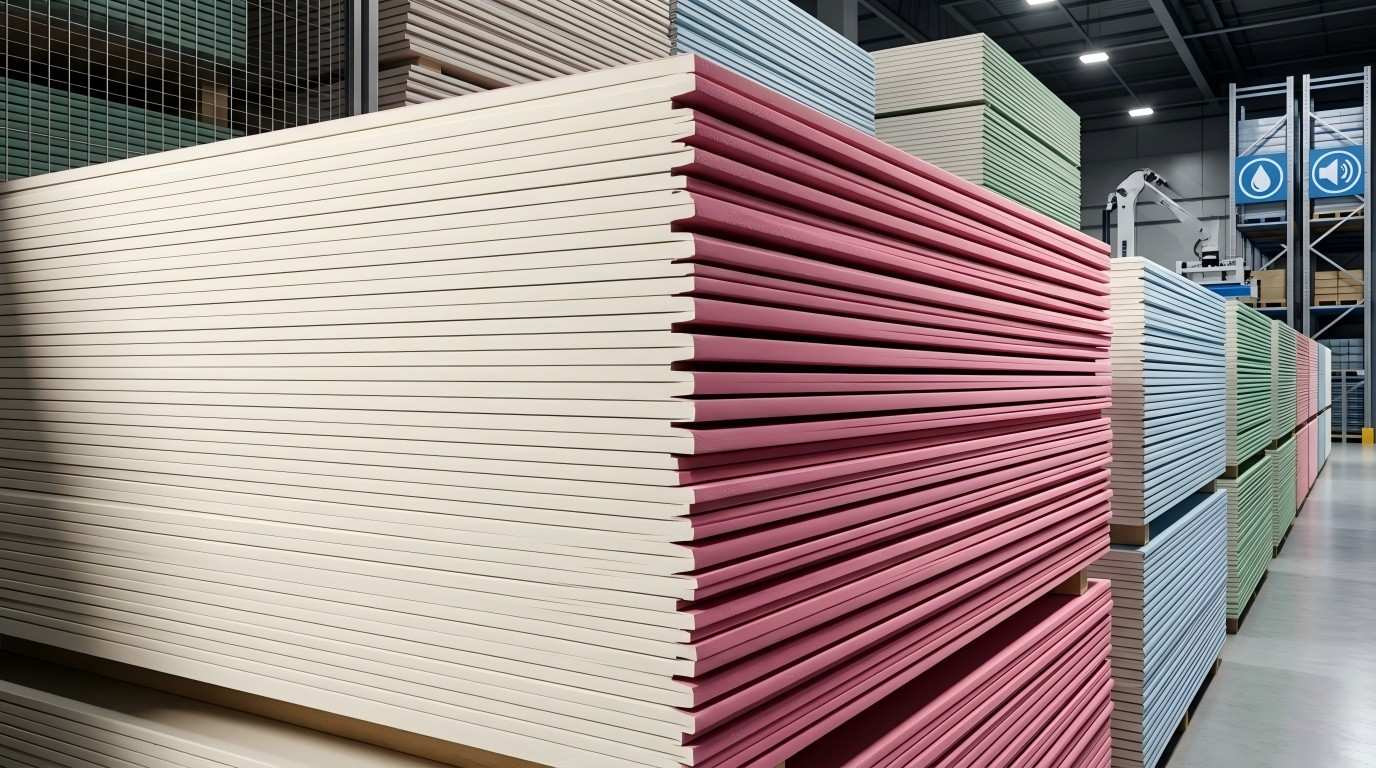
Maintaining a fireproof board involves regular visual inspections for surface cracking, shrinkage, or physical damage caused by mechanical impact. Proper maintenance requires keeping the boards dry, avoiding direct exposure to corrosive slags, and patching minor surface abrasions with compatible refractory coatings.
Routine Inspection and Repair Protocols
To ensure the longevity of your kiln’s insulation, a proactive maintenance schedule is highly recommended.
- Visual Audits: Inspect the hot face of the boards monthly for signs of excessive shrinkage or burner impingement.
- Surface Sealing: Apply a rigidizer to the hot face to lock down loose fibers and protect against high-velocity gas erosion.
- Patching: Fill any minor cracks or joint separations immediately using a ceramic fiber moldable putty or pumpable caulk to prevent heat leaks.
FireSafe Pro Tip: Apply a high-temperature reflective coating to the hot face of the board to increase resistance to chemical vapors and extend the board’s operational lifespan.
What is the price of Fireproof Board?
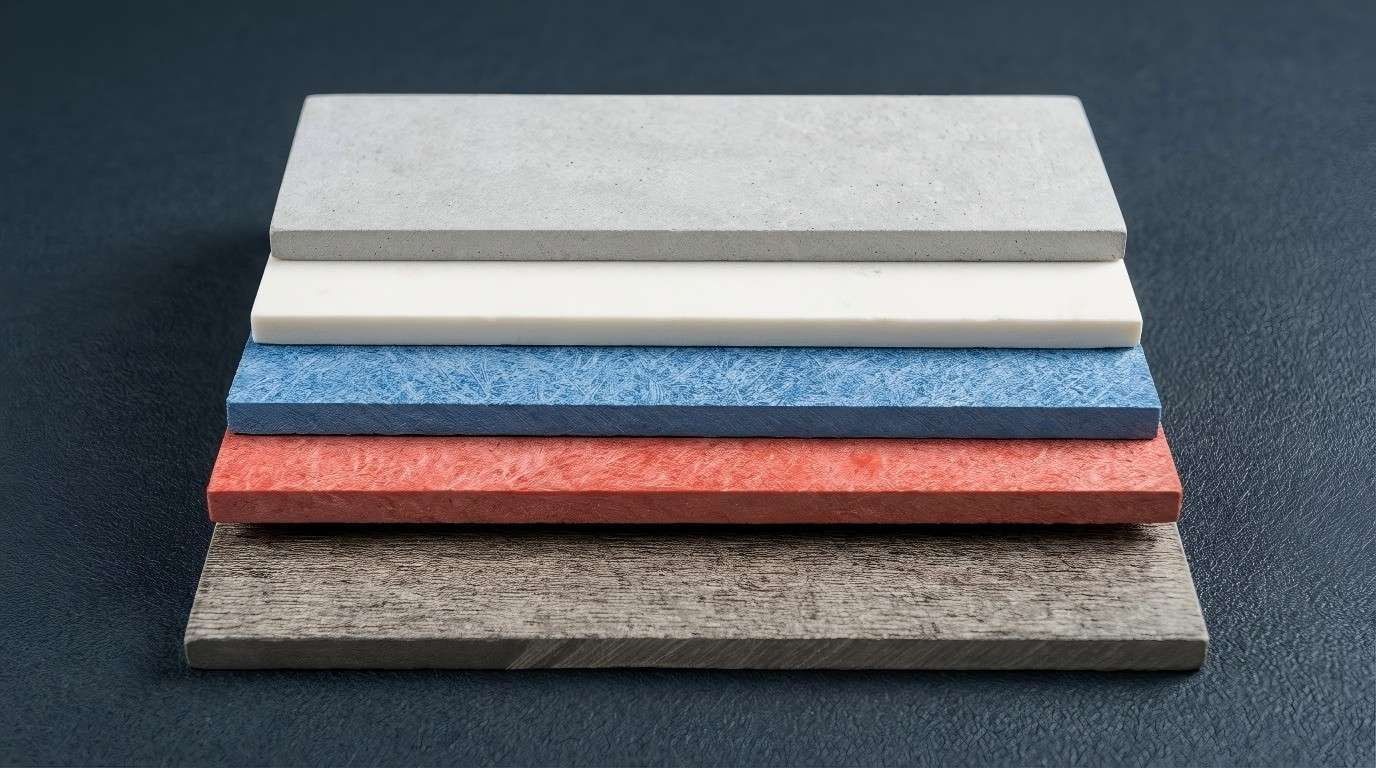
The cost of a fireproof board typically ranges from $20 to $100 per square foot, depending on the temperature rating, thickness, and material density. Standard alumina-silica boards are more affordable, while specialized high-zirconia boards for ultra-high temperatures command a premium price.
Pricing Tiers and Specifications
Based on our internal data and market analysis, here is the breakdown:
| Board Type | Temperature Rating | Average Cost (per sq. ft.) | Best Application |
|---|---|---|---|
| Standard Density | 2300°F (1260°C) | $20 – $35 | General kiln backup insulation |
| High Density | 2300°F (1260°C) | $35 – $55 | Hot face linings, baffles |
| High-Zirconia | 2600°F (1426°C) | $60 – $100 | Ultra-high temp industrial furnaces |
FireSafe Pro Tip: Don’t just buy the cheapest option available; calculate the total cost of ownership over five years, including energy savings and replacement frequency.
Key Features & Comparison
Comparing different industrial fireproof boards reveals varying thresholds for maximum continuous use temperatures, compressive strength, and thermal shrinkage. Selecting the correct board requires carefully matching these specific technical features to the rigorous operational demands of your specific industrial kiln or furnace.
Material Performance Breakdown
Based on our internal data and market analysis, here is the breakdown:
| الميزة | Standard Fireproof Board | Premium Zirconia Board | Structural سيليكات الكالسيوم |
|---|---|---|---|
| Max Temperature | 2300°F | 2600°F | 1800°F |
| Thermal Shock | ممتاز | ممتاز | Poor |
| قوة الانضغاط | Low | Medium | عالية |
| Primary Use | Hot face / Backup | Extreme heat zones | Structural backup |
FireSafe Pro Tip: For environments with high mechanical vibration or load-bearing requirements, prioritize boards with a high modulus of rupture (MOR) to prevent premature cracking.
Cost & Buying Factors
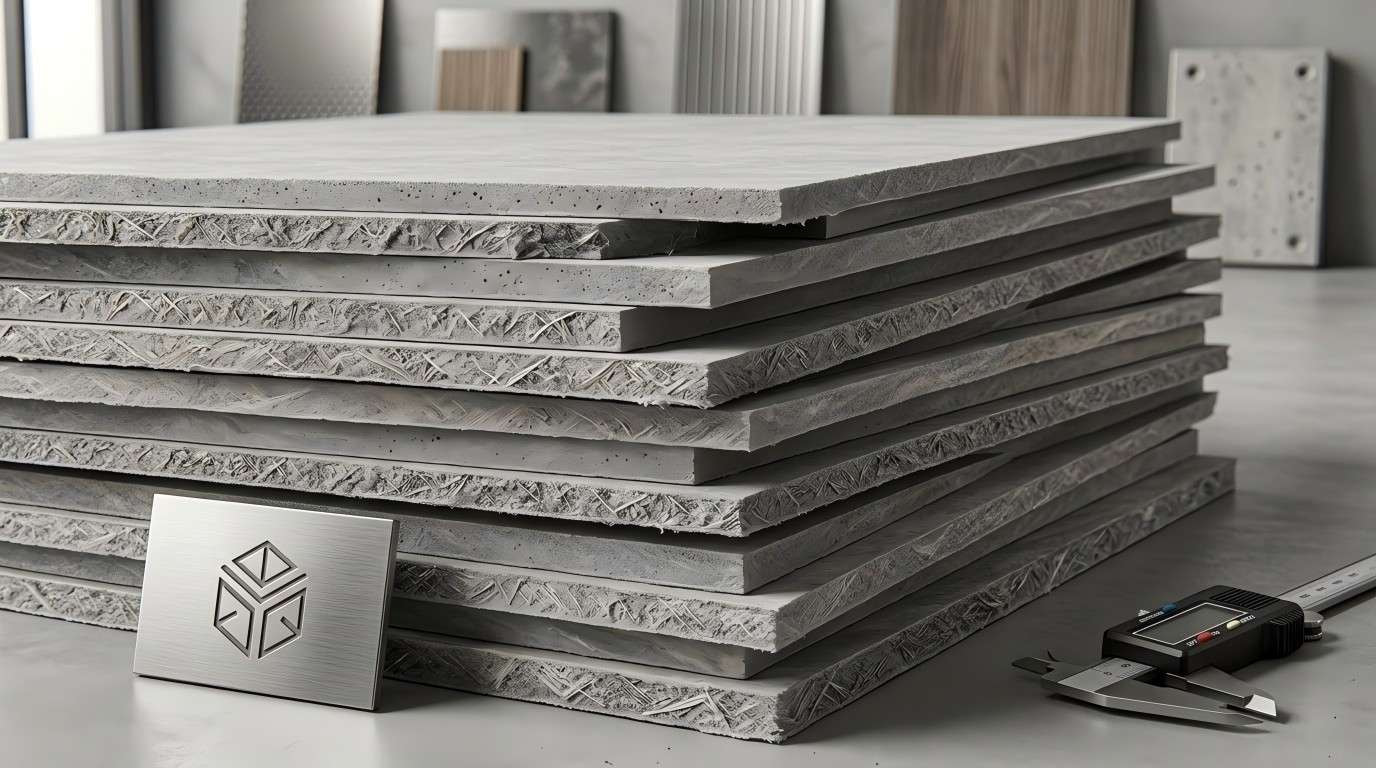
When purchasing fireproof boards, buyers must evaluate the maximum operating temperature, thermal cycling frequency, and chemical environment of the kiln. Factoring in shipping costs, installation labor, and the specific dimensional tolerances required will ensure a cost-effective and successful refractory upgrade.
Essential Purchasing Criteria
Selecting the right insulation is a critical engineering decision. Consider these primary factors before making a purchase:
- Operating Temperature vs. Peak Temperature: Always select a board rated at least 200°F higher than your kiln’s maximum peak temperature to account for localized hot spots.
- Chemical Compatibility: If your kiln produces alkaline vapors or heavy slags, ensure the board’s chemical composition is resistant to those specific corrosive agents.
- Dimensional Accuracy: For tightly engineered furnaces, specify boards with sanded or machined faces to ensure perfectly flush joints and eliminate heat pathways.
FireSafe Pro Tip: Order boards pre-cut to your kiln’s exact dimensions directly from the manufacturer to reduce installation time and minimize hazardous dust generation on-site.
الخاتمة
High-temperature fireproof boards are absolutely indispensable components for maximizing the efficiency, safety, and overall longevity of industrial kilns and furnaces. By selecting the appropriate material grade and adhering to strict maintenance protocols, facility managers can significantly optimize their daily thermal processing operations.
Final Recommendations
To achieve the best results with your industrial thermal management systems, keep these final takeaways in mind:
- Invest in Quality: Premium boards yield faster ROI through compounded energy savings.
- Prioritize Safety: Proper insulation protects workers from dangerous exterior kiln temperatures.
- Schedule Maintenance: Routine patching and coating will double the lifespan of your refractory lining.
FireSafe Pro Tip: Partner with a certified refractory specialist to conduct an annual thermal imaging audit of your kiln’s exterior to catch insulation degradation before it causes a critical failure.