Die Konstruktion einer sicheren und dauerhaften Kaminverkleidung erfordert die strikte Einhaltung der Bauvorschriften und die Auswahl hochwertiger Materialien. Durch die Wahl der richtigen feuerfesten Platte wird sichergestellt, dass die strukturelle Integrität oder Sicherheit des umgebenden Rahmens durch hohe Temperaturen nicht beeinträchtigt wird. Durch den Einbau von zertifizierten nicht brennbaren Platten können Architekten und Bauherren ästhetische Ziele erreichen und gleichzeitig den wesentlichen Wärmeschutz und die Einhaltung der Vorschriften gewährleisten.
Video-Leitfaden: Sehen Sie sich diese umfassende Übersicht über die Festlegung von nicht brennbaren Baustoffen für Kaminöffnungen an.
Was ist feuerfeste Platte?
Eine feuerfeste Platte ist eine spezielle, nicht brennbare Bauplatte, die extremen Temperaturen standhält, ohne sich zu entzünden, zu zersetzen oder giftigen Rauch freizusetzen. Sie besteht aus Materialien wie Kalziumsilikat, Magnesiumoxid, oder zementhaltigen Verbindungen dient es als kritische thermische Barriere für Kamineinfassungen und Hochwärmeanwendungen.
Video-Leitfaden: Erfahren Sie, wie spezielle feuerfeste Platten verwendet werden, um ein- und zweistündige feuerbeständige Wandkonstruktionen zu erreichen.
Zusammensetzung und Kernmaterialien
- Kalziumsilikat: Bietet hervorragende Wärmedämmung und strukturelle Stabilität.
- Magnesiumoxid (MgO): Bietet hervorragende Feuerbeständigkeit, Feuchtigkeitskontrolle und Schlagfestigkeit.
- Zementgebundene Hinterfüllplatte: Äußerst haltbar und ideal für die Unterstützung schwerer Furniere wie Stein oder Fliesen.
- Gipskern (Typ X): Enthält Glasfasern, um die strukturelle Integrität bei Feuereinwirkung aufrechtzuerhalten, ist jedoch im Vergleich zu zementhaltigen Optionen weniger ideal für direkte Kamineinfassungen.
FireSafe Profi-Tipp: Überprüfen Sie immer die UL-Klassifizierung Selbst Materialien, die als “feuerbeständig” gekennzeichnet sind, erfüllen möglicherweise nicht die strengen Kriterien für “nicht brennbar”, die für direkte Kamineinfassungen erforderlich sind.
Wie funktioniert die Feuerfestplatte?
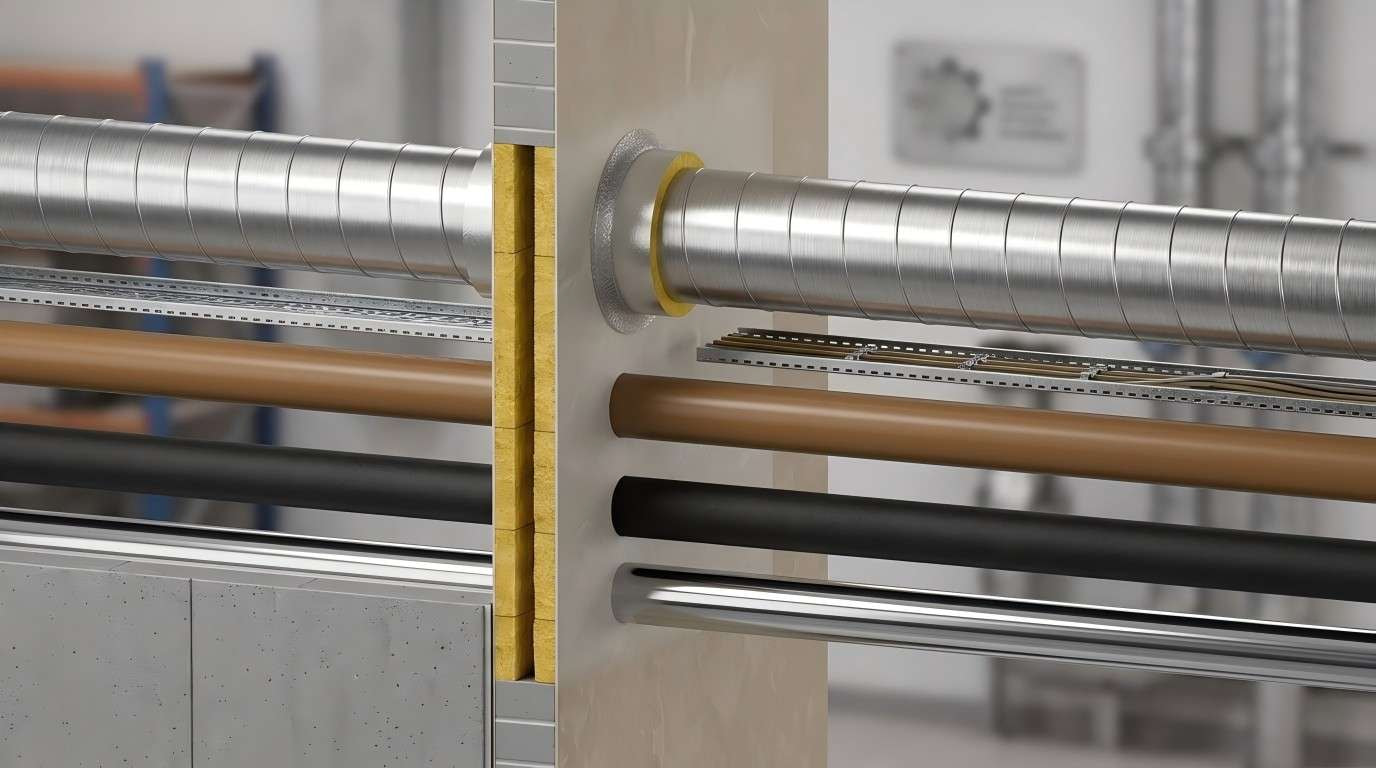
Feuerfeste Platten funktionieren durch die Verwendung hochstabiler, anorganischer Materialien, die Wärmeleitung und die Flammenausbreitung physisch blockieren. Bei starker Hitzeeinwirkung bleibt die chemische Struktur der Platte intakt und verhindert die Übertragung gefährlicher Temperaturen auf das brennbare Holz oder die Trockenbauwand hinter der Kaminverkleidung.
Mechanismen des thermischen Widerstands
Auf der Grundlage unserer internen Daten und Marktanalysen ergibt sich die folgende Aufschlüsselung:
| Mechanismus | Funktion | Nutzen in Kaminen |
|---|---|---|
| Niedrige Wärmeleitfähigkeit | Verlangsamt die Übertragung von Wärme durch die Platte. | Schützt den Holzrahmenbau vor dem Eindringen Selbstentzündungstemperaturen. |
| Endotherme Reaktion | Setzt beim Erhitzen chemisch gebundenes Wasser frei. | Kühlt die unmittelbare Oberfläche und verzögert den Strukturabbau. |
| Dimensionsstabilität | Widersteht Schrumpfung, Verformung oder Rissbildung bei Hitze. | Verhindert Lücken, aus denen Flammen oder heiße Gase austreten können. |
FireSafe Profi-Tipp: Um den Wärmewiderstand zu maximieren, stellen Sie sicher, dass alle Fugen und Nähte zwischen den Platten mit einem hochtemperaturbeständigen, nicht brennbaren Dichtungsmittel oder einem speziellen Brandschutzband versiegelt sind.
Welches ist das beste nicht brennbare Material für eine Kamineinfassung?
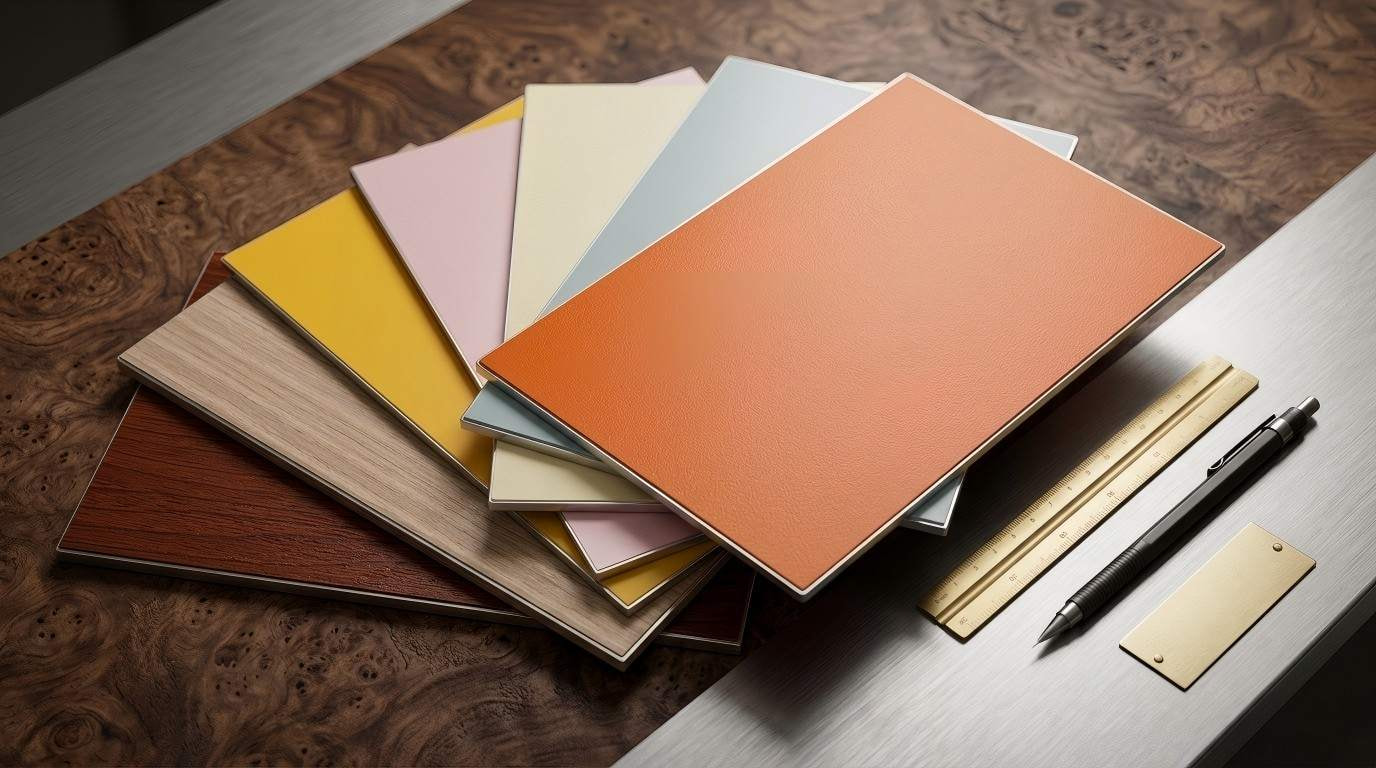
Das beste nicht brennbare Material für eine Kamineinfassung ist eine hochdichte Zementplatte oder eine feuerfeste Magnesiumoxidplatte (MgO). Diese Platten bieten eine außergewöhnliche Hitzebeständigkeit, keine Flammenausbreitung und die strukturelle Steifigkeit, die erforderlich ist, um schwere dekorative Oberflächen wie Naturstein, Ziegel oder großformatige Kacheln zu tragen.
Die besten Materialien für Umrandungen
- Zementbauplatte mit hoher Dichte: Der Industriestandard für schwere Furniere, der robuste Festigkeit und vollständige Nichtbrennbarkeit bietet.
- Magnesiumoxid (MgO) Platte: Leichter als Zementbauplatten, aber mit besseren Brandschutzeigenschaften und Umweltvorteilen.
- Kalziumsilikatplatte: Am besten geeignet für die reine Wärmedämmung, häufig verwendet bei der Installation von Kaminen ohne Durchgangsöffnung.
- Stahltafeln: Sie werden für eine moderne Ästhetik verwendet, leiten jedoch Wärme und erfordern eine geeignete isolierte Unterlage.
FireSafe Profi-Tipp: Wenn Sie ein schweres Steinfurnier verlegen, sollten Sie sich für eine 1/2-Zoll- oder 5/8-Zoll-Zementfeuerfestplatte entscheiden, da diese die nötige Scherfestigkeit bietet, um das Gewicht zu halten, ohne sich zu verbiegen.
Wie lautet die 7-11-Regel für Kamine?
Die 7-11-Regel ist eine wichtige Richtlinie der Kaminbauordnung, die den sicheren Vorsprung von brennbaren Kaminsimsen vorschreibt. Sie besagt, dass ein brennbarer Mantel, der 1,5 Zoll vorsteht, mindestens 7 Zoll über der Feuerraumöffnung liegen muss, wobei sich der Abstand bei einem Vorsprung von 3 Zoll auf 11 Zoll erhöht.
Mantelabstände und Projektionsverhältnisse
Auf der Grundlage unserer internen Daten und Marktanalysen ergibt sich die folgende Aufschlüsselung:
| Mantelprojektion (Tiefe) | Mindestabstand über dem Feuerraum | Schwerpunkt Einhaltung von Vorschriften |
|---|---|---|
| 1,5 Zoll | 7 Zoll | Mindestsicherheitsabstand für flaches Trimmen. |
| 3,0 Zoll | 11 Zoll | Standardanforderung für mitteltiefe Kaminsimse. |
| > 3,0 Zoll | 12+ Zoll (laut Hersteller) | Erfordert die strikte Einhaltung spezifischer Kaminhandbücher. |
FireSafe Profi-Tipp: Sie können die strengen Beschränkungen der 7-11-Regel vollständig umgehen, indem Sie Ihren Kaminsims und die ihn umgebende Verkleidung ausschließlich aus nicht brennbaren feuerfesten Platten und Metallrahmen bauen.
Wie lauten die Brandschutzvorschriften für eine Kamineinfassung?
Die Brandschutzvorschriften für Kamineinfassungen schreiben vor, dass alle brennbaren Materialien mindestens 15 cm von der Feuerraumöffnung entfernt sein müssen. Darüber hinaus müssen die unmittelbare Verkleidung und die strukturelle Umhüllung vollständig aus zugelassenen, nicht brennbaren Materialien bestehen, z. B. aus zertifizierten feuerfesten Platten, Ziegeln oder Stein.
Video-Leitfaden: Verstehen Sie die wichtigsten Brandschutzvorschriften und Normen für die sichere Ausführung von Kaminverkleidungen.
Wesentliche Leitlinien zur Einhaltung des Kodex
- Abstand zu brennbaren Materialien: Halten Sie einen strikten Mindestabstand von 6 Zoll zwischen der Öffnung und Holz, papierverkleideten Trockenbauwänden oder brennbaren Verkleidungen ein.
- Erweiterung der Herdplatte: Die nicht brennbare Feuerstelle muss mindestens 16 Zoll vor dem Kamin und 8 Zoll zu jeder Seite (bei kleineren Öffnungen) betragen.
- Material-Zertifizierung: Vergewissern Sie sich, dass die verwendete feuerfeste Platte mit einer ASTM E136 Zertifizierung, die beweist, dass es vollständig nicht brennbar ist.
- Hersteller-Übersteuerung: Beachten Sie immer das Handbuch des Herstellers der Feuerstelle, da die geprüften Abstände die allgemeinen örtlichen Vorschriften übertreffen.
FireSafe Profi-Tipp: Verwenden Sie niemals eine Standard-Trockenbauwand mit Papierverkleidung des Typs X direkt um die Feuerraumöffnung herum; die Papierverkleidung ist brennbar und verstößt gegen NFPA 211 Codes für Kaminverkleidungen.
Hauptmerkmale & Vergleich
Bei der Auswahl der richtigen feuerfesten Platte müssen Wärmewiderstand, strukturelle Kapazität und Feuchtigkeitstoleranz verglichen werden. Hochwertige Platten sind so konstruiert, dass sie die Ausbreitung von Flammen verhindern und gleichzeitig die notwendige mechanische Festigkeit aufweisen, um Befestigungselemente und schwere architektonische Verkleidungen in privaten und gewerblichen Kaminanwendungen zu halten.
Vergleich der Materialleistung
Auf der Grundlage unserer internen Daten und Marktanalysen ergibt sich die folgende Aufschlüsselung:
| Merkmal | Zementgebundene Platte | Magnesiumoxid (MgO) | Typ X Gips (nicht für direkte Verkleidung) |
|---|---|---|---|
| Brennbarkeit | Nicht brennbar | Nicht brennbar | Brennbare Papierabdeckung |
| Wärmedämmung | Mäßig | Hoch | Niedrig |
| Gewicht | Schwer | Mittel | Mittel |
| Furnierträger | Ausgezeichnet (Stein/Fliesen) | Gut (Kachel/Putz) | Schlecht (nur Farbe) |
FireSafe Profi-Tipp: Achten Sie beim Vergleich von Platten auf die Durchzugskraft der Befestigungsmittel; zementgebundene Platten bieten im Allgemeinen eine bessere Haltekraft für schwere mechanische Halterungen, die bei schwimmenden Steinsimsen verwendet werden.
Kosten und Kauffaktoren
Die Kosten für feuerfeste Platten variieren je nach Materialzusammensetzung, Dicke und Brandschutzklasse und liegen in der Regel zwischen $15 und $40 pro Platte. Beim Kauf müssen Bauherren die Kosten für spezielle nicht brennbare Befestigungsmittel, Hochtemperatur-Fugendichtstoffe und die spezifischen strukturellen Anforderungen des gewählten Kaminfurniers berücksichtigen.
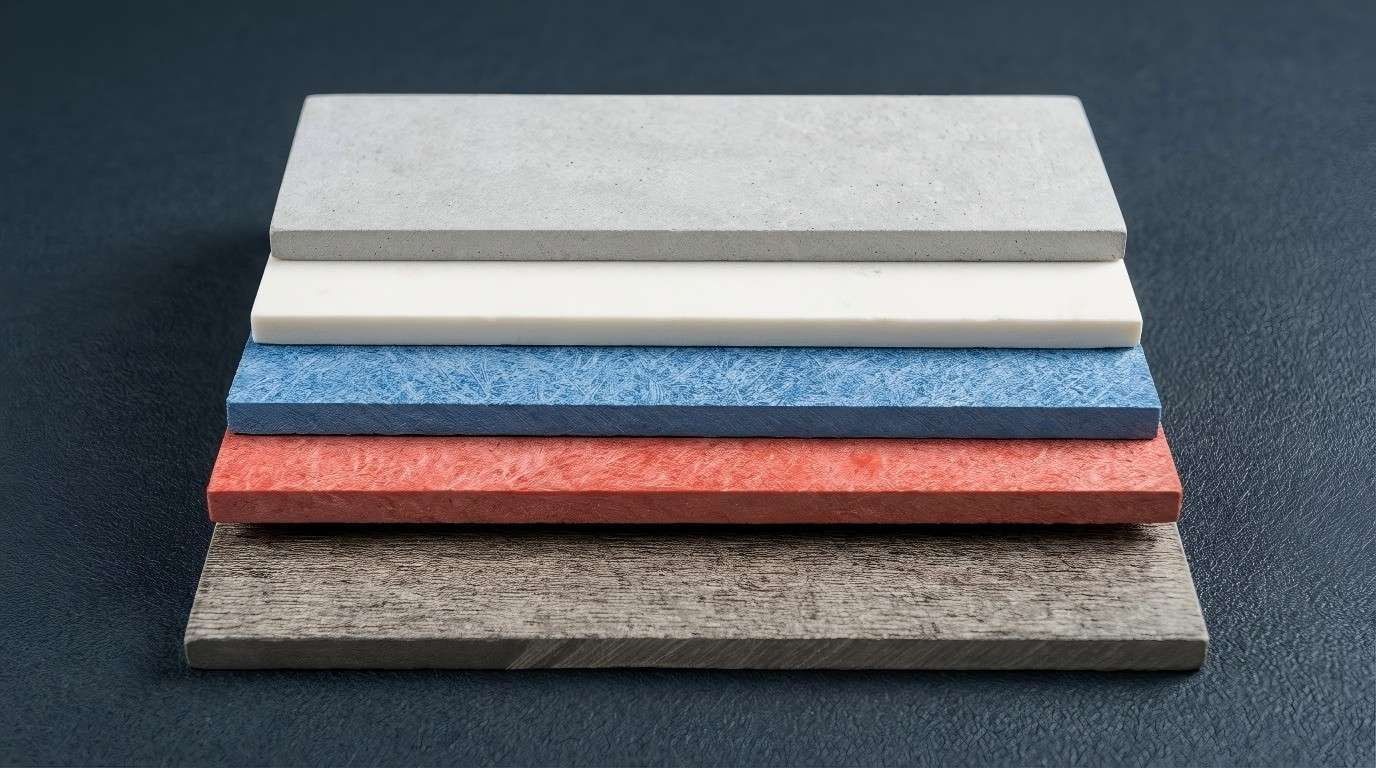
Überlegungen zur Beschaffung
- Anforderungen an die Dicke: 1/2-Zoll-Platten sind Standard für Wände, aber 5/8-Zoll- oder Mehrschichtplatten können für bestimmte Brandschutzklassen oder schwere Steinunterstützung erforderlich sein.
- Zusätzliche Kosten: Budget für alkalibeständig Glasfasergewebeband, Hochtemperatur-Dünnbett und korrosionsbeständige Schrauben.
- Lokale Verfügbarkeit: Während Standardzementplatten in den meisten Baumärkten erhältlich sind, müssen spezielle Kalziumsilikat- oder MgO-Platten unter Umständen über den Maurer- oder Gewerbebauhandel bestellt werden.
- Abfall-Faktor: Bestellen Sie 10-15% zusätzliches Material, um die komplexen Schnitte zu berücksichtigen, die um Feuerstellen und Kaminsimse erforderlich sind.
FireSafe Profi-Tipp: Sparen Sie nicht an den Kosten, indem Sie Standard-Trockenbauschrauben verwenden; investieren Sie immer in spezielle Zementplattenschrauben mit selbstbohrenden Köpfen, um zu verhindern, dass die feuerfeste Platte während der Installation reißt.
Schlussfolgerung
Die Wahl der richtigen feuerfesten Platte ist der Grundstein für eine sichere, den Vorschriften entsprechende und dauerhafte Kaminverkleidung. Durch die Kenntnis der Materialeigenschaften, der Abstandsvorschriften und der besten Installationspraktiken können Bauherren beeindruckende Kamineinfassungen schaffen, die kompromisslosen Schutz vor extremer Hitze und Brandgefahren bieten.
Abschließende Sicherheitscheckliste
- Stellen Sie sicher, dass alle Materialien innerhalb der Freiraumzone nach ASTM E136 als nicht brennbar zertifiziert sind.
- Vergewissern Sie sich, dass die Herdverlängerung den örtlichen NFPA 211-Richtlinien entspricht.
- Achten Sie darauf, dass alle Fugen mit einem alkalibeständigen Netz und einem hitzebeständigen Mörtel abgeklebt werden.
- Vergleichen Sie die Installationsanleitung des Kaminherstellers mit den örtlichen Bauvorschriften.
FireSafe Profi-Tipp: Planen Sie immer eine Rohbauprüfung ein, bevor Sie das endgültige Furnier anbringen; die Prüfer müssen sich vergewissern, dass die richtigen feuerfesten Platten und Rahmenabstände vorhanden sind.