Die Gewährleistung der Personensicherheit und der Einhaltung der Bauvorschriften auf einer Baustelle hängt von der ordnungsgemäßen Überprüfung der Materialien ab. Für Bauunternehmer ist das Verständnis, wie man die Kennzeichnungen von feuerfesten Platten liest und überprüft, eine entscheidende Fähigkeit, die kostspielige Nacharbeiten und nicht bestandene Abnahmen verhindert. Dieser Leitfaden erläutert die wesentlichen Zertifizierungsstempel, Prüfnormen und visuellen Merkmale, die erforderlich sind, um vor Beginn der Verlegung sicherzustellen, dass Ihre Materialien die strengen Brandschutzanforderungen erfüllen.
Was ist eine feuerfeste Platte?
Brandschutzplatten sind ein spezieller Baustoff, der so konzipiert ist, dass er hohen Temperaturen standhält und die Ausbreitung von Flammen und Rauch verhindert. Sie werden aus nicht brennbaren Materialien wie Gips hergestellt, Kalziumsilikat, oder behandeltes Holz, bietet es entscheidende passiver Brandschutz dient dazu, Gebäudebereiche voneinander abzugrenzen und die strukturelle Integrität im Brandfall zu gewährleisten.
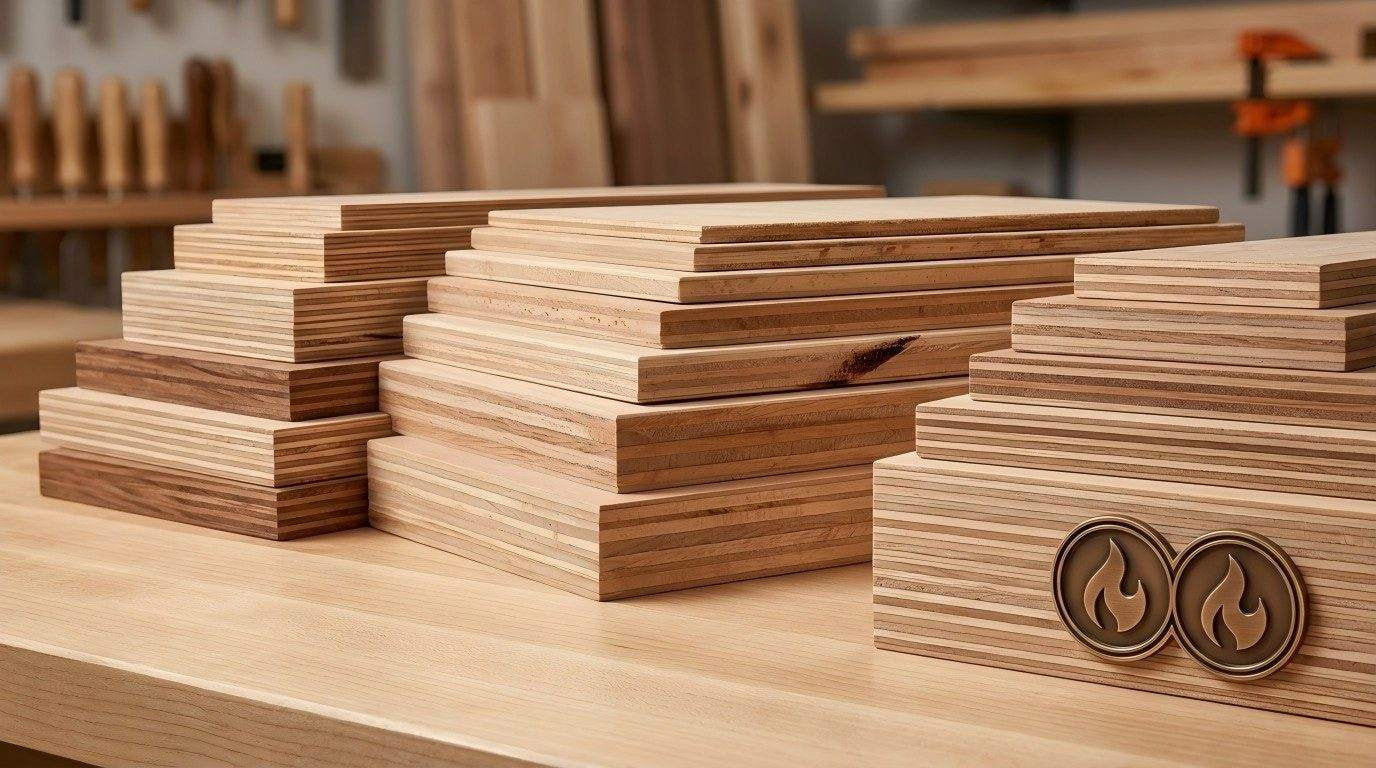
Zusammensetzung und Herstellungsstandards
Moderne feuerbeständige Platten werden strengen Prüfungen unterzogen, um bestimmte Feuerwiderstandszeiten (wie beispielsweise 1 Stunde oder 2 Stunden) zu erfüllen. Diese Platten sind ein wesentlicher Bestandteil beim Bau von Brandschutzwänden, Schachtwänden und Schutzdecken. Die Kenntnis der genauen Zusammensetzung hilft dabei, die richtige Platte für die jeweilige Anwendung zu finden.
- Typ X Gips: Enthält Glasfasern, die im Brandfall die strukturelle Integrität gewährleisten.
- Gips Typ C: Enthält einen höheren Anteil an Glasfasern und Vermiculit, um ein Schrumpfen zu verhindern.
- Kalziumsilikatplatten: Äußerst langlebig und feuchtigkeitsbeständig, ideal für den Schutz von Baustahl.
- Feuerhemmend behandeltes Holz (FRTW): Druckimprägniertes Holz, das mit Chemikalien versetzt ist, die auf Hitze reagieren und so die Flammenausbreitung verringern.
FireSafe Profi-Tipp: Überprüfen Sie vor dem Zuschneiden stets beide Seiten der Platte. Hersteller drucken die UL-Zertifizierung oder das Siegel einer gleichwertigen Prüfstelle häufig entlang der Längskante oder direkt auf das Rückseitenpapier, das beim Zuschneiden der Platte leicht verloren gehen kann.
Wie funktioniert eine feuerfeste Platte?
Diese Platinen funktionieren nach einem Verfahren, das als Kalzinierung, wobei chemisch gebundenes Wasser im Material bei Einwirkung starker Hitze als Dampf freigesetzt wird. Dies endotherme Reaktion nimmt Wärmeenergie auf, hält die gegenüberliegende Seite der Platte kühl und verlangsamt so wirksam die Ausbreitung von Feuer und Rauch.
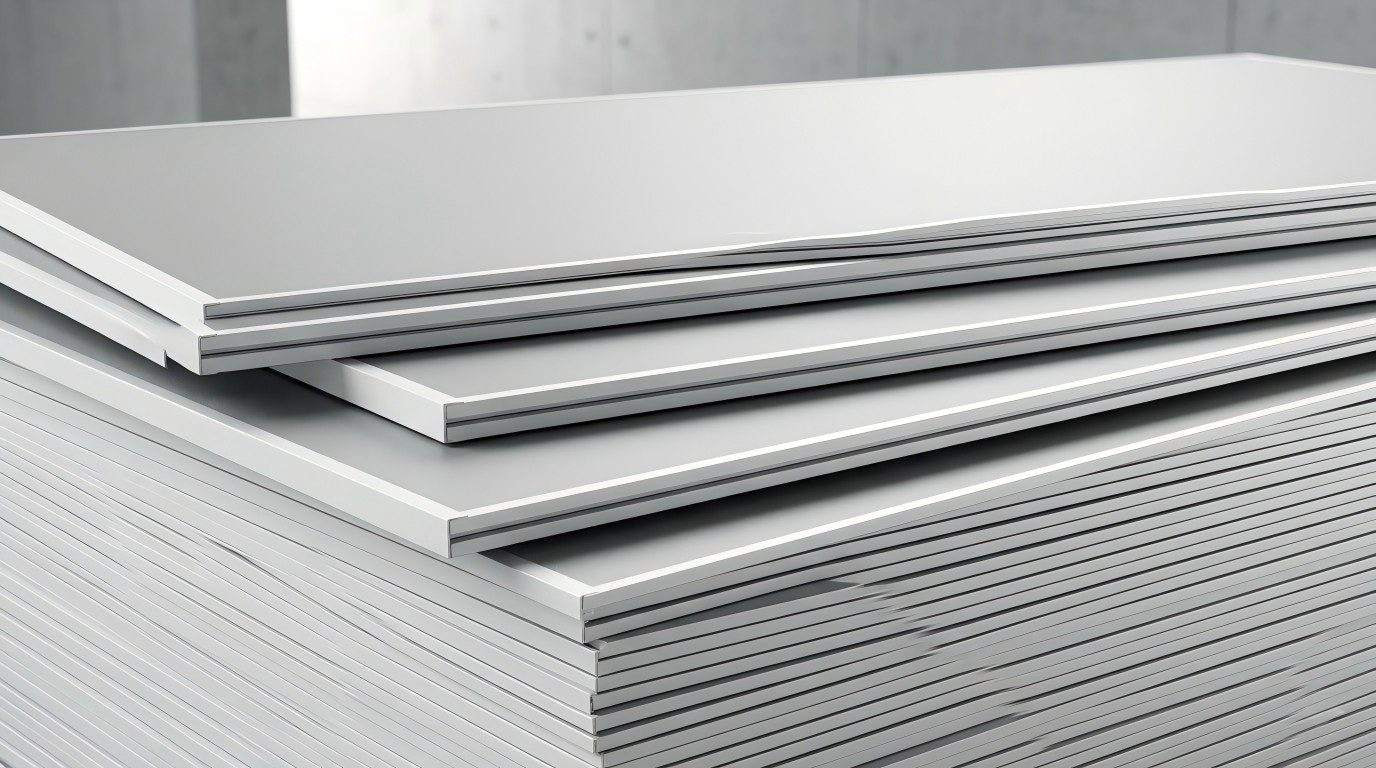
Die Wissenschaft des passiven Brandschutzes
Die Wirksamkeit einer feuerfesten Platte beruht auf ihrer chemischen Zusammensetzung. Bei steigenden Temperaturen wirkt die in der Platte enthaltene Feuchtigkeit als Wärmebarriere. Sobald das Wasser vollständig verdampft ist, bleibt die verbleibende Struktur (verstärkt durch Glasfasern oder mineralische Zusätze) intakt und hält so die Flammen ab.
Auf der Grundlage unserer internen Daten und Marktanalysen ergibt sich die folgende Aufschlüsselung:
| Phase der Wärmeeinwirkung | Reaktion des Vorstands | Daraus resultierender Schutz |
|---|---|---|
| Anfangswärme (bis zu 212 °F) | Chemische Bindungen bleiben stabil. | Normale strukturelle Integrität. |
| Kalzinierung (212 °F – 250 °F) | Gebundenes Wasser verdampft zu Wasserdampf. | Wärmeaufnahme; Temperaturstagnation. |
| Nach dem Kalzinieren (über 250 °F) | Als Kernmaterial dient ein Glasfasergewebe. | Physikalische Barriere gegen Flammen und Rauch. |
FireSafe Profi-Tipp: Machen Sie niemals Abstriche am Kern einer brandschutztechnischen Baueinheit. Selbst eine kleine, nicht abgedichtete Durchführung für ein Kabelkanal oder ein Rohr kann die Kalzinationsbarriere der Platte umgehen und die gesamte Brandschutzwand unwirksam machen.
Woran erkenne ich, ob mein Sperrholz feuerfest ist?
Sie können feuerhemmendes Sperrholz anhand des dauerhaften Stempels einer zugelassenen unabhängigen Prüfstelle wie UL oder APA überprüfen. Diese Kennzeichnung muss die Prüfnorm, die Flammenausbreitungsklasse, den Namen des Herstellers und die Identifikationsnummer der Behandlungsanlage enthalten.
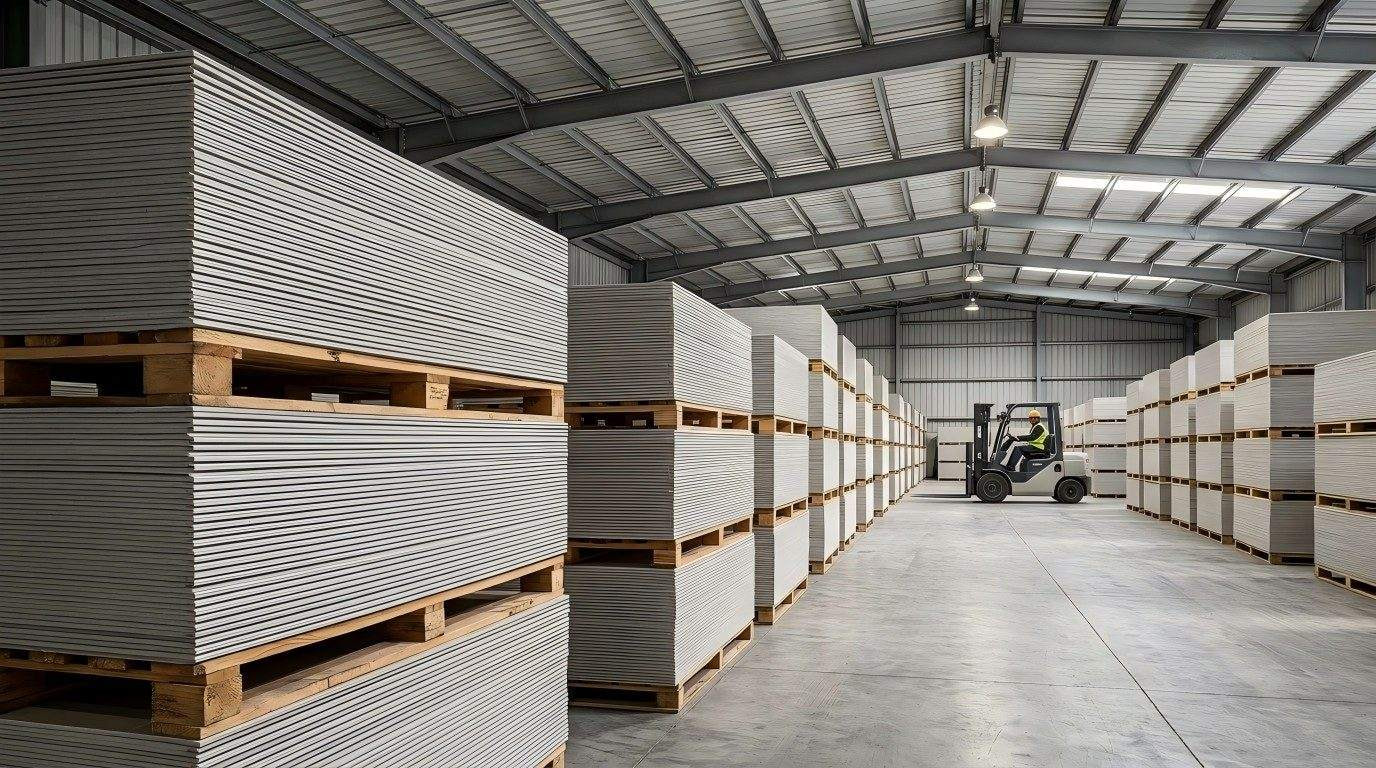
Erläuterung der FRTW-Stempel (Fire-Retardant Treated Wood)
Im Gegensatz zu Standard-Sperrholz wird feuerhemmend behandeltes Holz (FRTW) einer Druckimprägnierung mit feuerhemmenden Chemikalien unterzogen. Die Prüfer stützen sich bei der Freigabe des Materials ausschließlich auf die sichtbaren Stempel. Wenn der Stempel abgeschliffen, übermalt oder weggeschnitten wurde, kann das Material vor Ort zurückgewiesen werden.
- Suchen Sie das Agenturzeichen: Achten Sie auf bekannte Logos wie Underwriters Laboratories (UL) oder Timber Products Inspection (TP).
- Überprüfen Sie den Flammenausbreitungsindex (FSI): Stellen Sie sicher, dass der Stempel eine Flammenausbreitungsindex von höchstens 25.
- Überprüfen Sie den Trocknungsprozess: Achten Sie auf die Kennzeichnung “KDAT” (Kiln Dried After Treatment), die gewährleistet, dass sich das Holz nicht übermäßig verzieht.
- Standard identifizieren: Vergewissern Sie sich, dass die Bauvorschriften wie AWPA U1 oder ASTM E84 eingehalten werden.
FireSafe Profi-Tipp: Wenn Sie FRTW-Sperrholz vor Ort zuschneiden, planen Sie Ihre Schnitte so, dass der Zertifizierungsstempel auf dem verbauten Stück sichtbar bleibt. Falls ein Stück so zugeschnitten werden muss, dass der Stempel entfernt wird, bewahren Sie den Verschnitt mit dem Stempel in der Nähe für den Prüfer auf.
Was ist Abschnitt 715.4 7 der kalifornischen Bauordnung?
Abschnitt 715.4.7 des California Building Code (CBC) befasst sich speziell mit den Kennzeichnungs- und Identifizierungsanforderungen für feuerbeständige Verglasungen und Fensterkonstruktionen. Er schreibt vor, dass alle feuerbeständigen Gläser mit einem dauerhaften Etikett versehen sein müssen, auf dem der Hersteller, die Prüfnorm und die spezifische Brandschutzklasse angegeben sind.
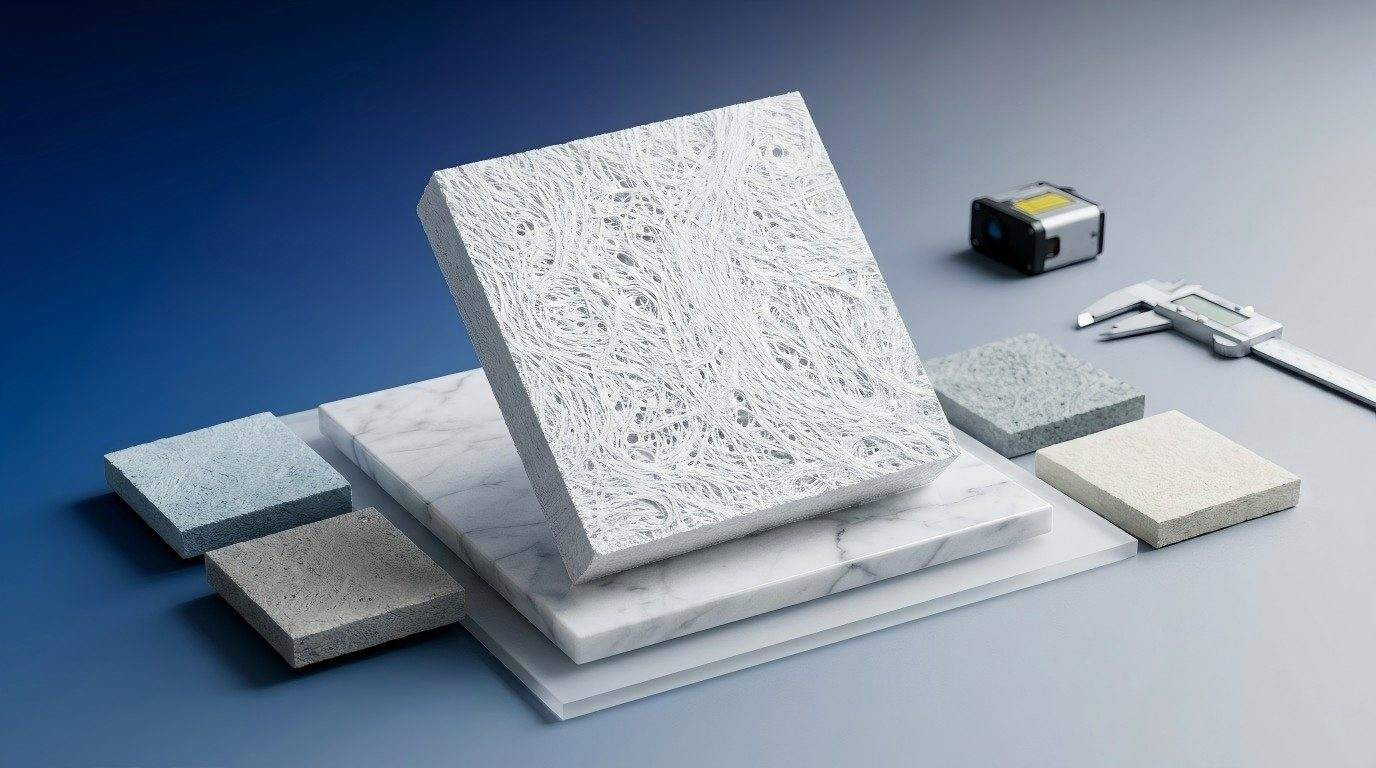
Einhaltung der Kennzeichnungsvorschriften für Verglasungen
Dieser Abschnitt befasst sich zwar in erster Linie mit Glas in feuerbeständigen Plattenkonstruktionen, ist jedoch für Bauunternehmer, die Brandschutztüren oder Trennwände mit Sichtfenstern einbauen, von entscheidender Bedeutung. Die Vorschrift stellt sicher, dass jeder, der das Gebäude begutachtet, die Sicherheitsklasse der transparenten Materialien sofort überprüfen kann.
- Dauerhaftigkeit: Die Kennzeichnung darf kein ablösbarer Aufkleber sein; sie muss in das Glas eingraviert, sandgestrahlt oder dauerhaft eingebrannt sein.
- Code-Bezeichnung: Es müssen bestimmte Buchstabenkennzeichnungen (z. B. “W” für Wandkonstruktionen, “D” für Türen) enthalten sein, die die zugelassene Verwendung angeben.
- Time Rating: The label must clearly state the fire resistance duration in minutes (e.g., 45, 60, 90, 120).
FireSafe Profi-Tipp: Never install a fire-rated window assembly before verifying the glass markings match the fire-rated board wall requirements. A 2-hour wall partition requires corresponding 2-hour fire-rated glazing; mismatched ratings will result in an immediate inspection failure.
Müssen Brandschutzvorrichtungen gekennzeichnet werden?
Ja, Brandschutzsysteme müssen vor Ort eindeutig gekennzeichnet sein, um den internationalen Bau- und Brandschutzvorschriften zu entsprechen. Diese Kennzeichnungen geben Auskunft über das konkret installierte UL-System, den ausführenden Fachbetrieb, das Installationsdatum sowie die F- und T-Klassen der Durchführungsabdichtung.
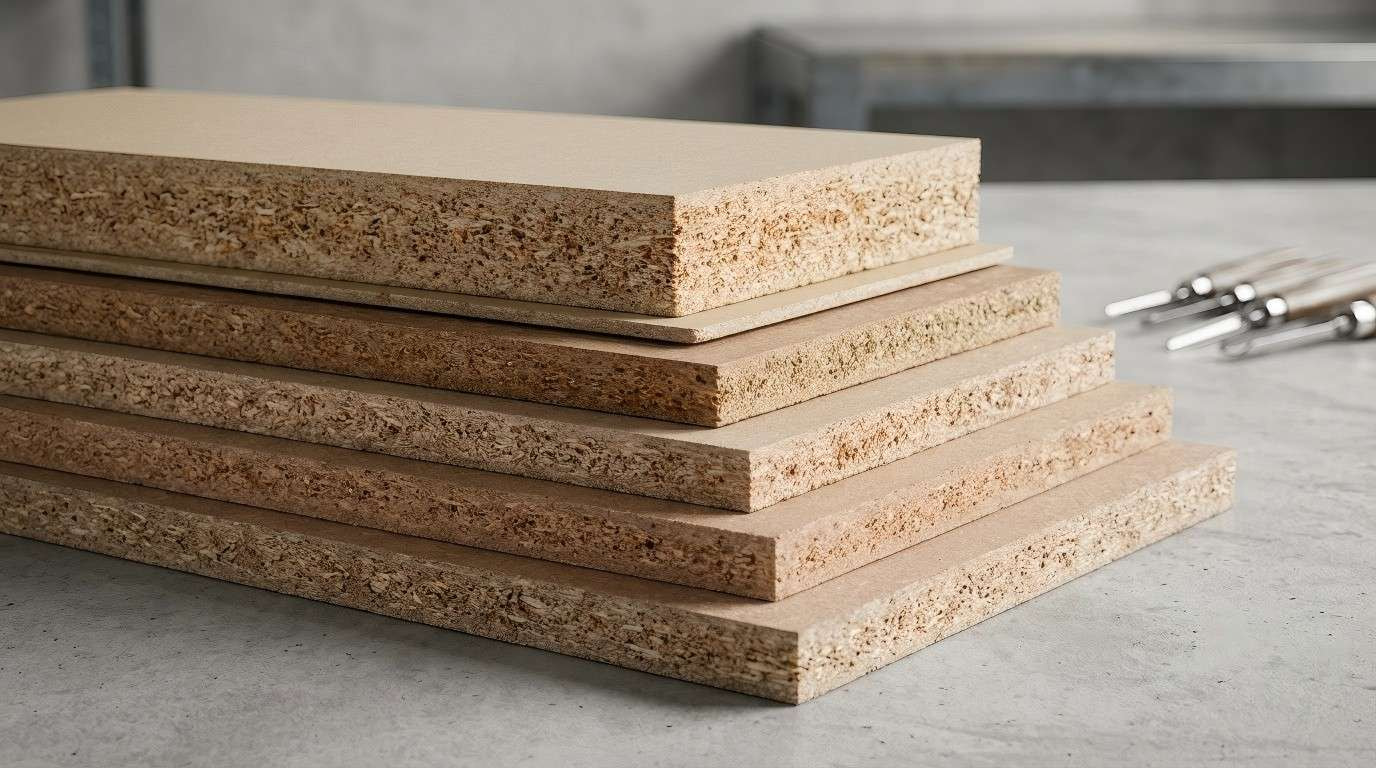
Firestop Identification and Tracking
Fire-rated board installations are only as strong as their weakest penetration. When pipes, cables, or ducts breach a fire-rated assembly, firestop materials (like intumeszierend sealants) restore the rating. Labeling these systems is mandatory for future maintenance and life safety inspections.
- System Number: The exact third-party tested design number (e.g., UL System No. W-L-1054).
- Product Used: The specific brand and type of firestop material applied.
- Contractor Details: Name and contact information of the certified installer.
- Warning Text: Clear language stating “Warning: Fire-Rated Assembly – Do Not Alter.”
FireSafe Profi-Tipp: Apply firestop labels adjacent to the penetration on the fire-rated board, not on the penetrating pipe or cable itself. Pipes vibrate and cables get replaced, which can lead to lost labels and future compliance headaches.
Hauptmerkmale & Vergleich
Understanding the distinct features of various fire-rated boards allows contractors to select the exact right material for specific applications. Key differences lie in moisture resistance, structural load capacity, and the specific fire-resistance duration each board provides under extreme heat conditions.
Comparing Fire-Rated Materials
Selecting the wrong board can compromise both safety and budget. It is essential to match the board’s core properties with the environmental demands of the installation area.
Auf der Grundlage unserer internen Daten und Marktanalysen ergibt sich die folgende Aufschlüsselung:
| Material Typ | Primary Application | Hauptmerkmal | Visual Identification |
|---|---|---|---|
| Gips Typ X | Interior Walls / Ceilings | Cost-effective 1-hour rating | Pink/Red edge tape, UL stamp |
| Type C Gypsum | Ceilings / Shafts | Superior sag resistance | Printed core designation |
| FRT Plywood | Roof Sheathing / Framing | Structural strength with fire delay | Ink stamp with FSI rating |
| Kalziumsilikat | Steel Column Protection | High moisture & impact resistance | Dense, gray/white surface |
FireSafe Profi-Tipp: When working in damp environments like basements or unsealed building envelopes, avoid standard Type X gypsum. Opt for a moisture-resistant fire-rated board or calcium silicate to prevent mold growth and structural degradation before the building is dried in.
Kosten und Kauffaktoren
The total cost of fire-rated board is driven by the material composition, the required hourly rating, and specialized features like moisture or impact resistance. Contractors must carefully balance upfront material costs against installation labor and the strict compliance requirements of local building codes.
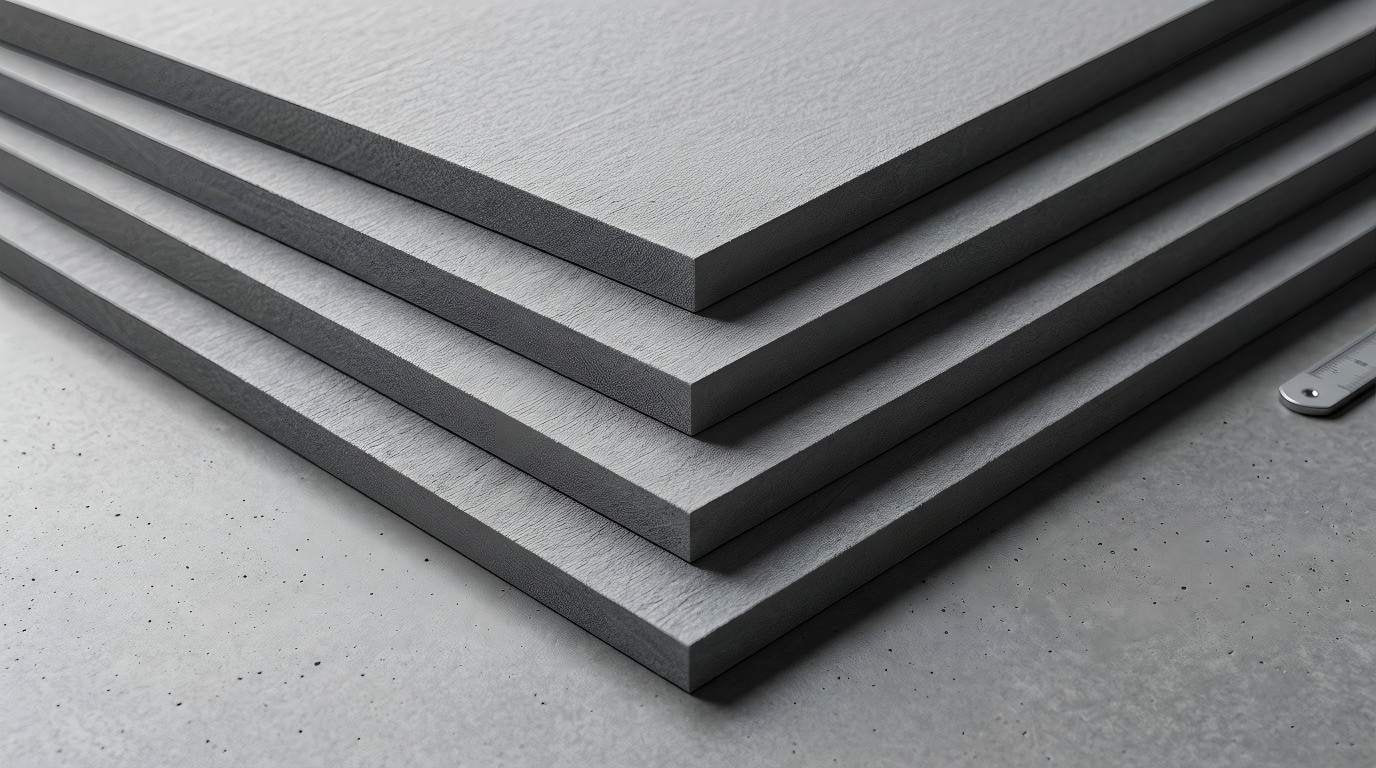
Budgeting for Fire-Rated Assemblies
While fire-rated materials carry a premium over standard construction boards, attempting to cut costs with uncertified alternatives is a massive liability. Proper budgeting requires analyzing the entire assembly, including specialized fasteners, joint compounds, and firestopping.
- Material Premium: Type X gypsum generally costs 20-30% more than standard drywall, while specialty boards like calcium silicate can cost significantly more.
- Fastener Requirements: Fire-rated assemblies often require specific screw lengths and spacing, increasing hardware costs.
- Verlustpauschalen: Because certification stamps must remain visible for inspection, contractors may experience higher wastage rates when planning cuts.
- Lokale Verfügbarkeit: FRT plywood and specialized shaft liner boards may require lead times, impacting project scheduling and storage costs.
FireSafe Profi-Tipp: Always order 10-15% more fire-rated material than your square footage dictates. The necessity of keeping factory edges and certification stamps intact for the inspector often results in more off-cut waste than standard drywall jobs.
Schlussfolgerung
Verifying fire-rated board markings is a non-negotiable responsibility for modern contractors. By understanding certification stamps, proper labeling protocols, and material differences, you ensure building code compliance, protect your liability, and most importantly, safeguard the lives of future building occupants.
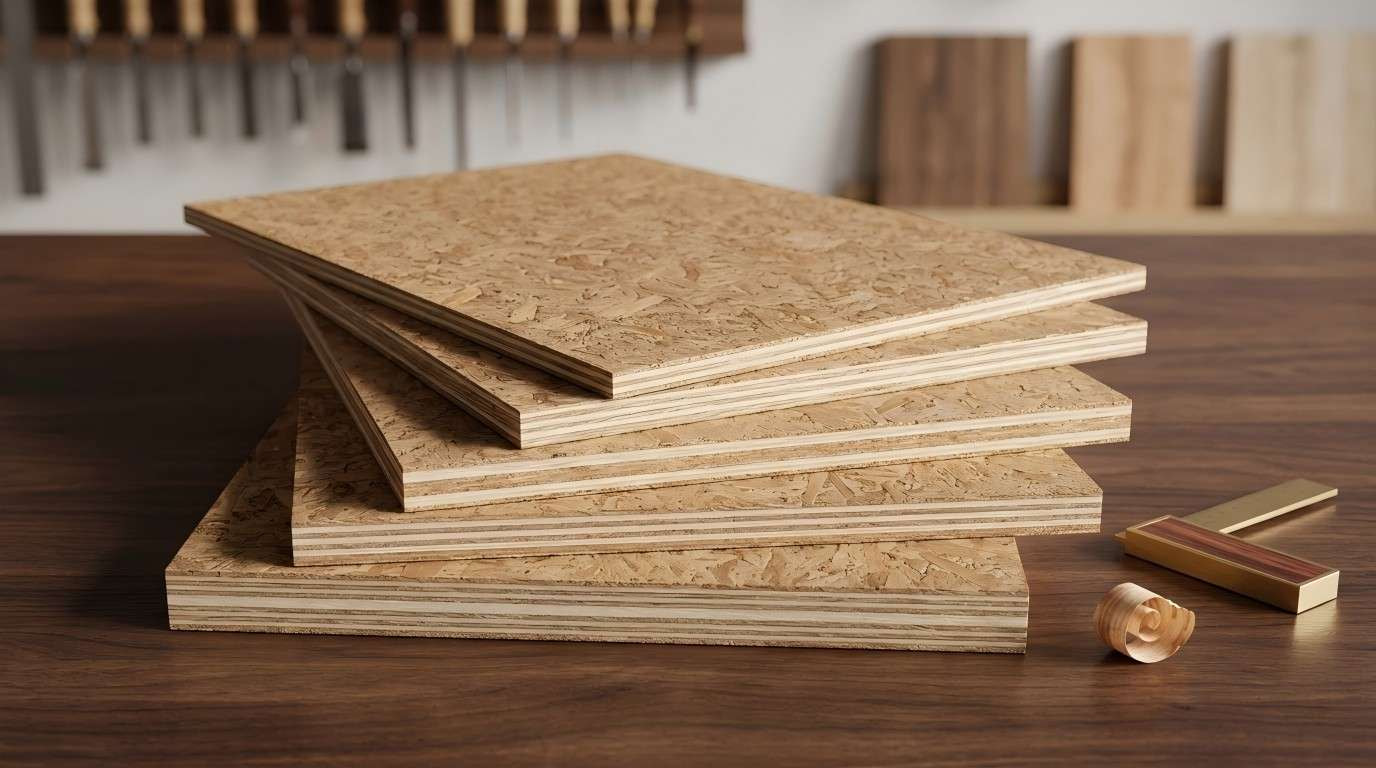
Streamlining Your Inspection Process
Passing a fire marshal or building inspector’s review requires meticulous attention to detail from the moment materials arrive on site. Implement a strict material intake process to catch unlabelled or incorrectly rated boards before they are installed.
- Verify on Delivery: Check all pallets for appropriate UL or third-party testing stamps upon arrival.
- Educate the Crew: Ensure all installers understand the importance of leaving stamps visible on cut pieces.
- Document Everything: Take photos of stamps and labels after installation but before the walls are closed up or painted.
- Maintain Firestops: Ensure all penetration labels are legible and properly placed on the board.
FireSafe Profi-Tipp: Create a digital “Submittal and Stamp” binder for your project. Pair the manufacturer’s specification sheets with photos of the actual stamps on installed boards. This proactive approach builds immense trust with building inspectors and expedites the final approval process.