Selecting a reliable manufacturer for fireproof boards is a critical decision that directly impacts the safety, compliance, and structural integrity of your construction projects. As building codes become increasingly stringent worldwide, B2B buyers must rigorously evaluate suppliers based on material certification, production capacity, and quality assurance protocols. This comprehensive checklist will guide you through the essential criteria for sourcing high-performance fire-resistant materials.
What is Fireproof Board?
A fireproof board is a specialized construction material engineered to resist high temperatures and prevent the spread of flames. Manufactured from non-combustible components like magnesium oxide, calcium silicate, or treated gypsum, these panels provide critical protección pasiva contra incendios for commercial and residential buildings.
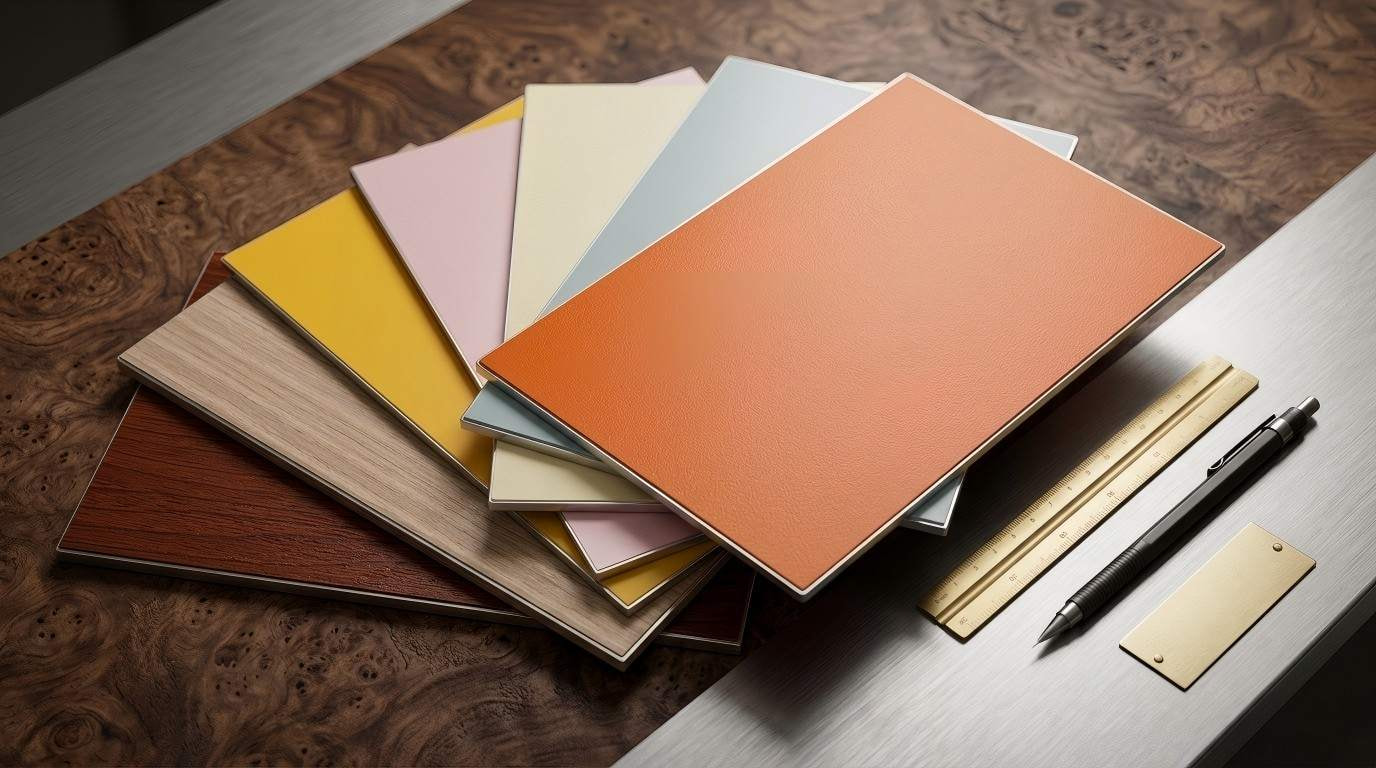
Composition and Manufacturing Standards
Fireproof boards are integral to modern passive fire protection systems. They are designed not just to withstand fire, but to maintain structural integrity under extreme heat. To achieve this, manufacturers utilize specific chemical and structural engineering techniques:
- Core Materials: Typically composed of calcium silicate, magnesium oxide (MgO), or fiberglass-reinforced gypsum.
- Structural Reinforcement: Often embedded with alkaline-resistant fiberglass mesh for added tensile strength and impact resistance.
- Surface Treatment: Finished with non-toxic, moisture-resistant coatings to prevent degradation in humid environments.
- Curing Process: High-pressure steam curing (autoclaving) is used to ensure dimensional stability and prevent warping over time.
FireSafe Pro Tip: Always verify that the manufacturer’s boards are tested under the specific UL or ASTM standards relevant to your local building codes, rather than relying on generic “fire-resistant” marketing claims.
How Does Fireproof Board Work?
Fireproof boards work through endothermic reactions and thermal insulation. When exposed to extreme heat, the chemical bonds within the board release chemically bound water as steam, absorbing heat energy and significantly delaying the transfer of high temperatures to underlying structural components.
The Mechanics of Thermal Resistance
The effectiveness of a fireproof board lies in its thermodynamic properties. Rather than simply blocking fire, these materials actively fight heat transfer through chemical phase changes.
Based on our internal data and market analysis, here is the breakdown:
| Heat Stage | Material Reaction | Protective Outcome |
|---|---|---|
| 0°C – 100°C | Normal state | Acts as standard structural cladding. |
| 100°C – 300°C | Endothermic moisture release | Cools the immediate surrounding surface via steam. |
| 300°C – 1000°C+ | Calcination y vitrification | Forms a solid, non-combustible char barrier. |
FireSafe Pro Tip: When inspecting a manufacturer’s technical data sheet, look for the thermal conductivity rating (K-value). A lower K-value indicates superior insulation capabilities during a prolonged fire event.
What to look for when buying a fireproof box?
When purchasing a fireproof box or enclosure, prioritize independent laboratory certifications, continuous temperature ratings, and moisture resistance. The ideal enclosure must utilize high-grade fireproof boards to protect sensitive documents, electronics, or hazardous materials from both direct flames and radiant heat.
Evaluating Fireproof Enclosures
Whether you are buying pre-made enclosures or sourcing boards to construct custom fireproof boxes for industrial applications, specific performance metrics must be evaluated:
- UL Classification: Ensure the box or internal board lining meets UL 72 standards for fire resistance.
- Seal Integrity: Look for intumescent seals that expand when heated to block smoke and water from entering the enclosure.
- Material Thickness: The internal lining should feature multi-layered, high-density fireproof board construction.
- Waterproofing: Firefighting efforts involve massive amounts of water; the enclosure must resist water ingress to protect its contents.
FireSafe Pro Tip: A fireproof box is only as good as its weakest joint. Ask your supplier about the specific intumescent adhesives used at the seams, as standard adhesives will melt and compromise the entire enclosure.
What boards are fire proof?
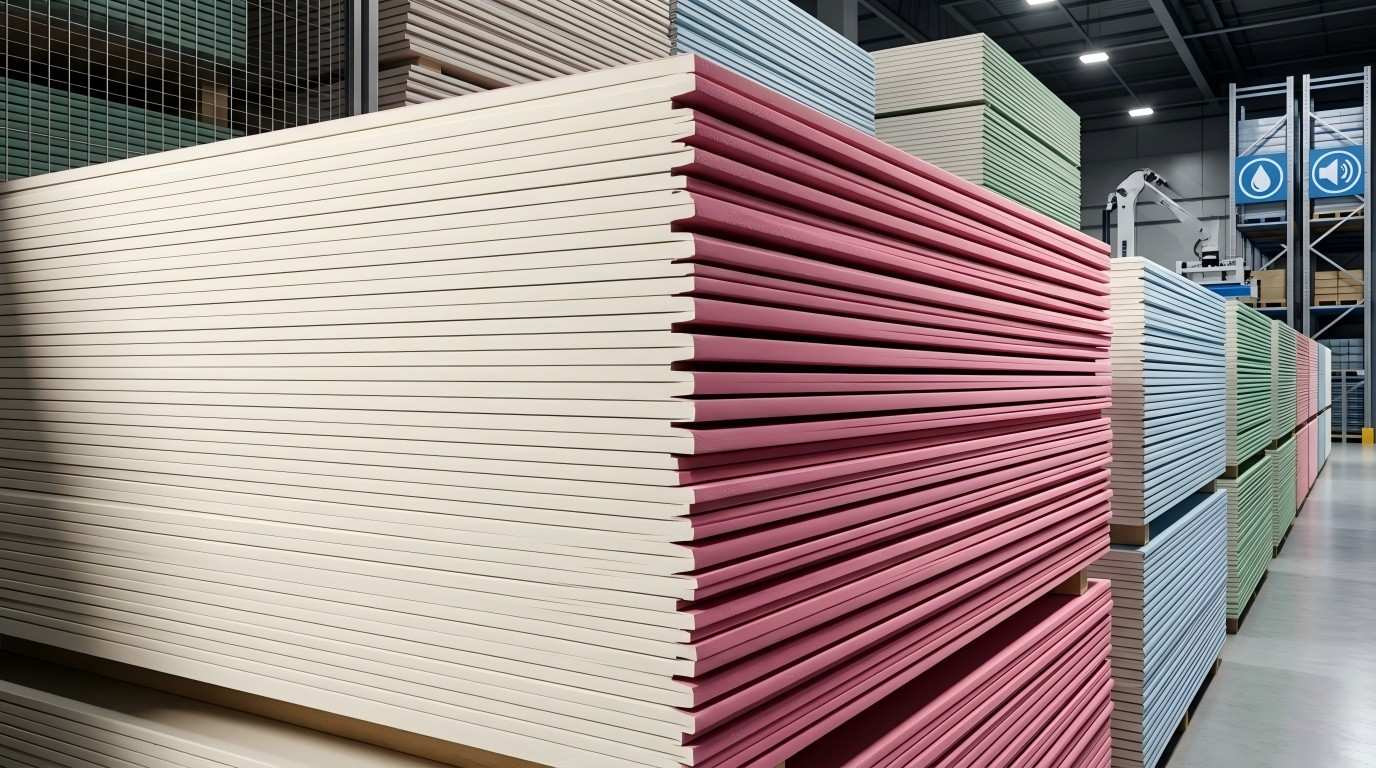
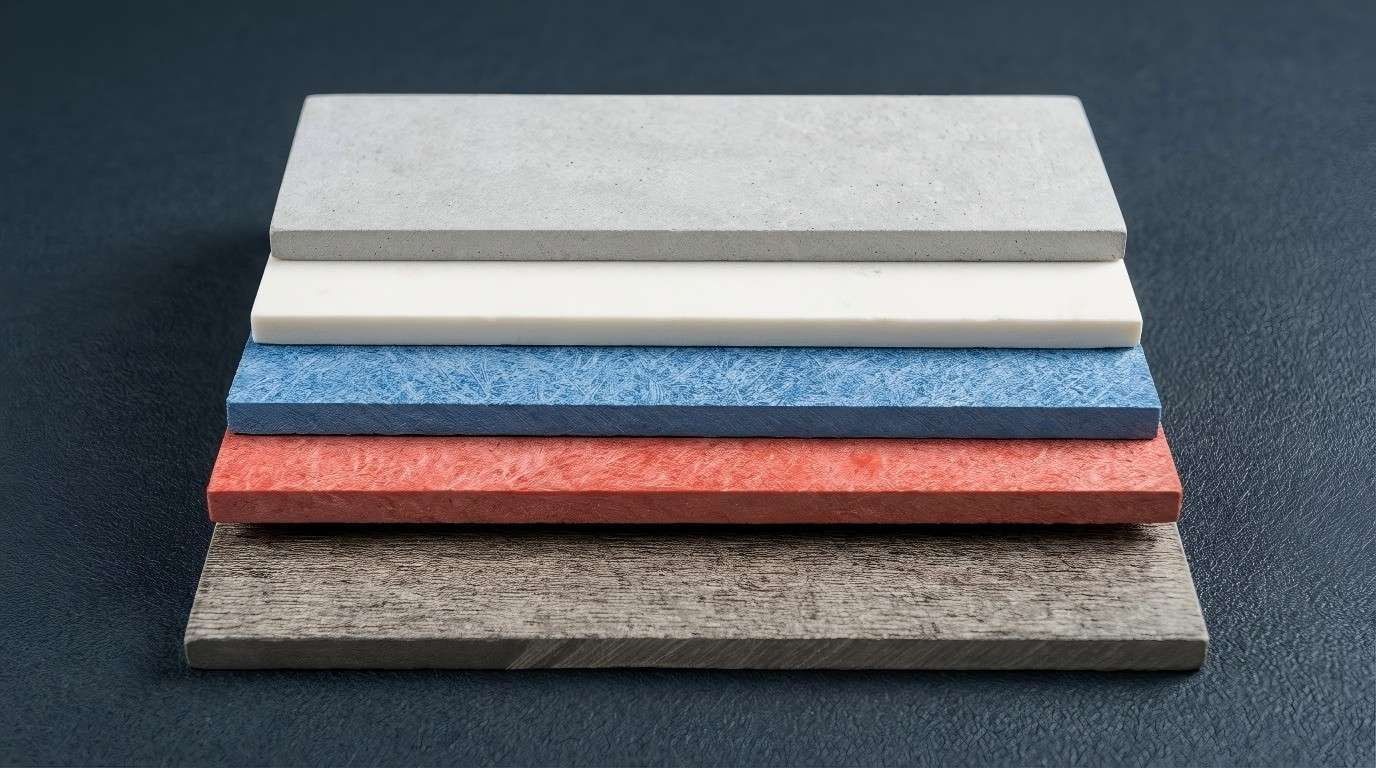
Several types of construction boards offer exceptional fireproof properties, including Magnesium Oxide (MgO) boards, Calcium Silicate boards, and Type X Gypsum panels. Each material varies in density, moisture resistance, and fire rating, making them suitable for different commercial and industrial applications.
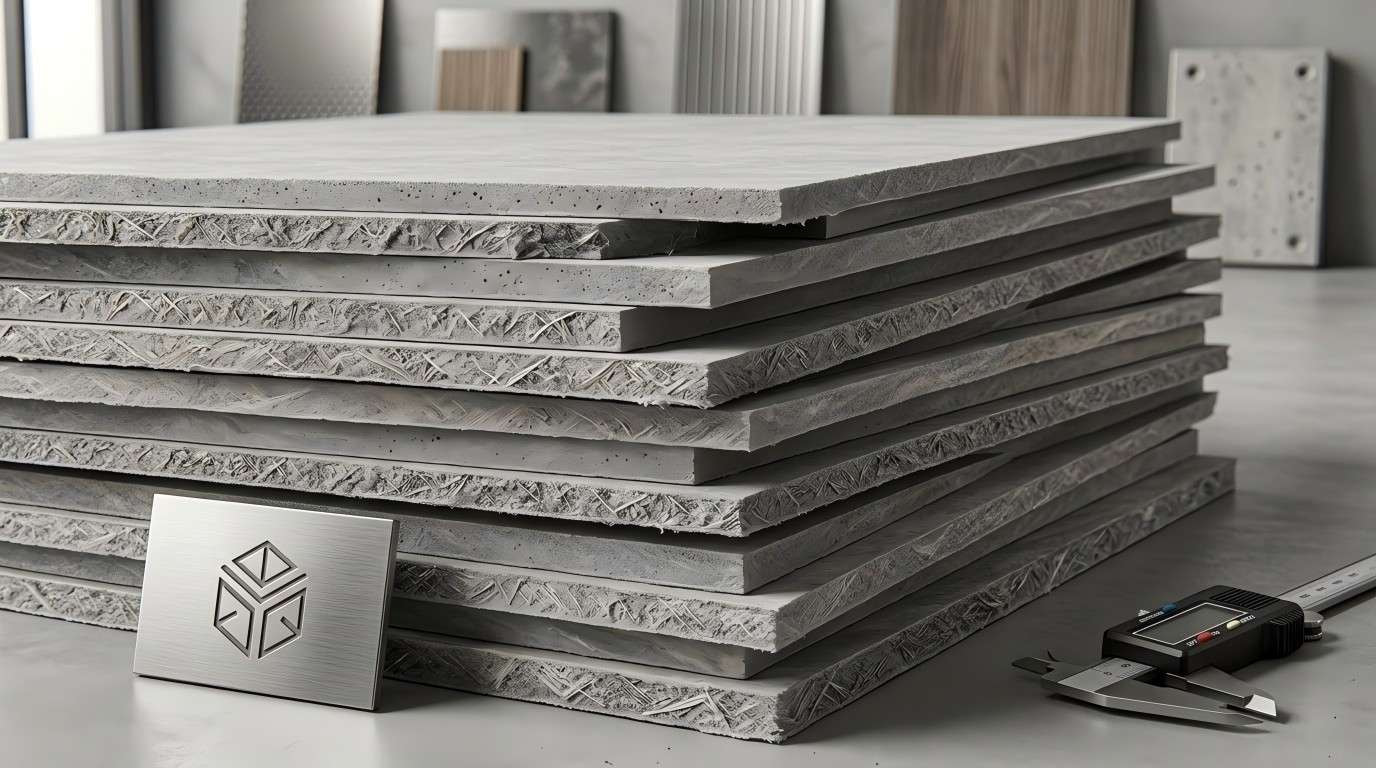
Types of Fire-Resistant Panels
Choosing the right board depends entirely on the environmental conditions of the installation site and the required fire rating duration.
Based on our internal data and market analysis, here is the breakdown:
| Board Type | Primary Component | Best Application | Max Fire Rating |
|---|---|---|---|
| MgO Board | Magnesium Oxide | Exterior sheathing, wet areas | Up to 4 hours |
| Silicato de calcio | Silica and Calcium | High-temperature industrial | Up to 4 hours |
| Type X Gypsum | Gypsum with glass fibers | Interior drywall, partitions | 1 to 2 hours |
| Tablero de cemento | Portland cement | Tile backing, facades | 1 to 2 hours |
FireSafe Pro Tip: For projects requiring both high fire resistance and mold prevention, Magnesium Oxide (MgO) boards are superior to traditional Type X drywall, especially in damp, coastal, or subterranean environments.
What are the benefits of Fireproof Board?
The primary benefits of fireproof board include life-saving passive fire protection, enhanced structural stability during emergencies, and strict building code compliance. Additionally, premium boards offer secondary advantages such as soundproofing, moisture resistance, and immunity to pests and mold.
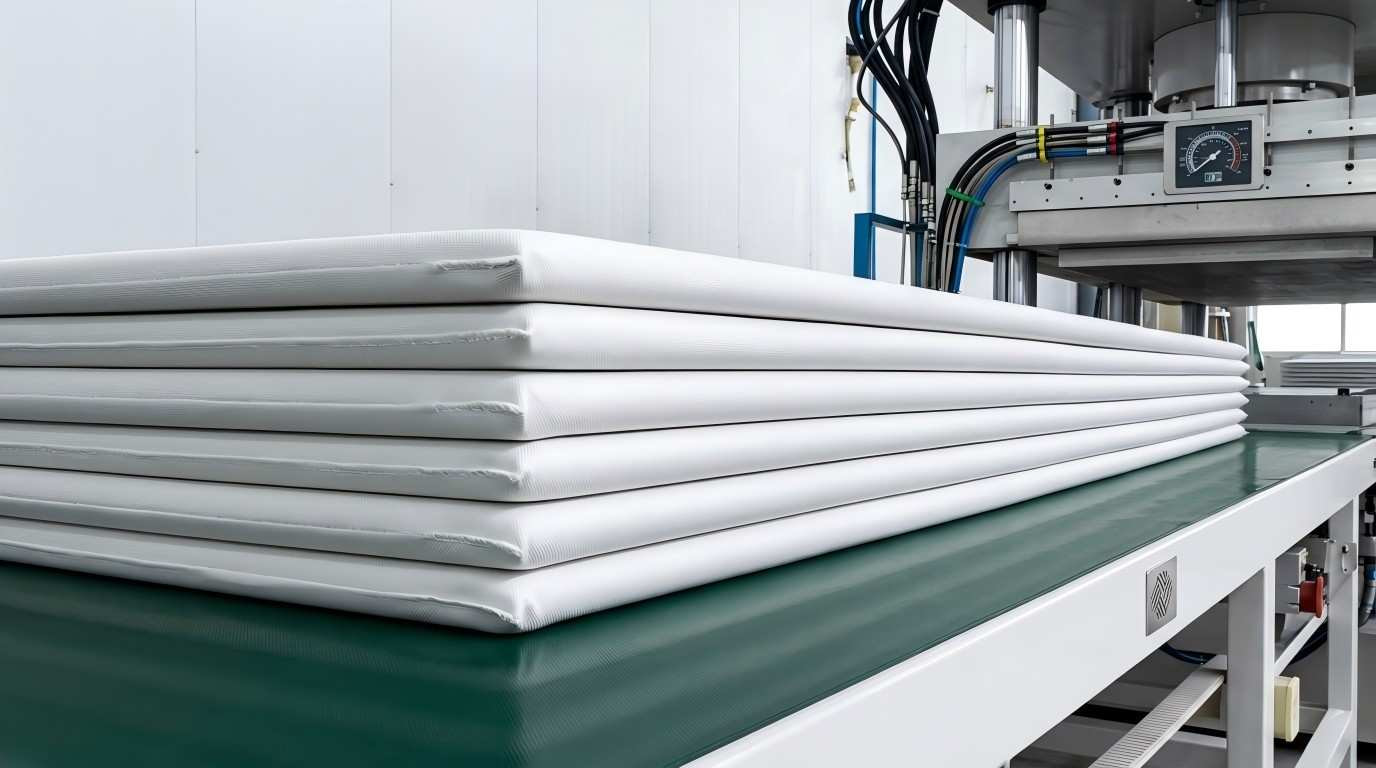
Multi-Functional Advantages
Investing in high-quality fireproof materials from a reputable manufacturer yields benefits that extend far beyond fire emergencies.
- Extended Evacuation Time: Delays structural collapse, providing crucial minutes for occupants to escape safely.
- Insurance Premium Reduction: Buildings utilizing certified non-combustible materials often qualify for significantly lower insurance rates.
- Environmental Durability: High-quality boards resist degradation from humidity, rot, and termites, lowering long-term maintenance costs.
- Acoustic Insulation: The high mass and density of materials like calcium silicate naturally dampen sound transmission between rooms.
FireSafe Pro Tip: Leverage the acoustic benefits of fireproof boards in multi-family or commercial builds. You can often eliminate the need for secondary sound-dampening materials, saving on overall project costs.
Key Features & Comparison
Evaluating the key features of various fireproof board manufacturers requires analyzing production tolerances, raw material purity, and testing certifications. Comparing these metrics ensures you select a B2B partner capable of delivering consistent, high-yield, and compliant building materials.
Manufacturer Capability Analysis
Not all manufacturers operate at the same standard. B2B buyers must audit potential suppliers based on their operational capabilities and quality control rigor.
Based on our internal data and market analysis, here is the breakdown:
| Característica | Tier 1 Manufacturer | Substandard Manufacturer | Impact on Project |
|---|---|---|---|
| Batch Consistency | Automated mixing & curing | Manual, variable curing | Ensures uniform fire ratings |
| Certifications | ISO 9001, UL, CE, ASTM | Unverified local testing | Guarantees code compliance |
| Production Capacity | 10,000+ sheets/day | < 2,000 sheets/day | Prevents supply chain delays |
| Customization | Custom sizes & edge profiles | Standard sizes only | Reduces on-site labor waste |
FireSafe Pro Tip: Request a factory audit or a third-party inspection report. A reliable manufacturer will transparently share their quality control checkpoints, particularly their curing room temperature and humidity logs.
Cost & Buying Factors
When budgeting for fireproof boards, B2B buyers must look beyond the initial unit price. Total procurement costs are heavily influenced by shipping logistics, bulk order discounts, minimum order quantities (MOQs), and the long-term warranty provided by the manufacturer.
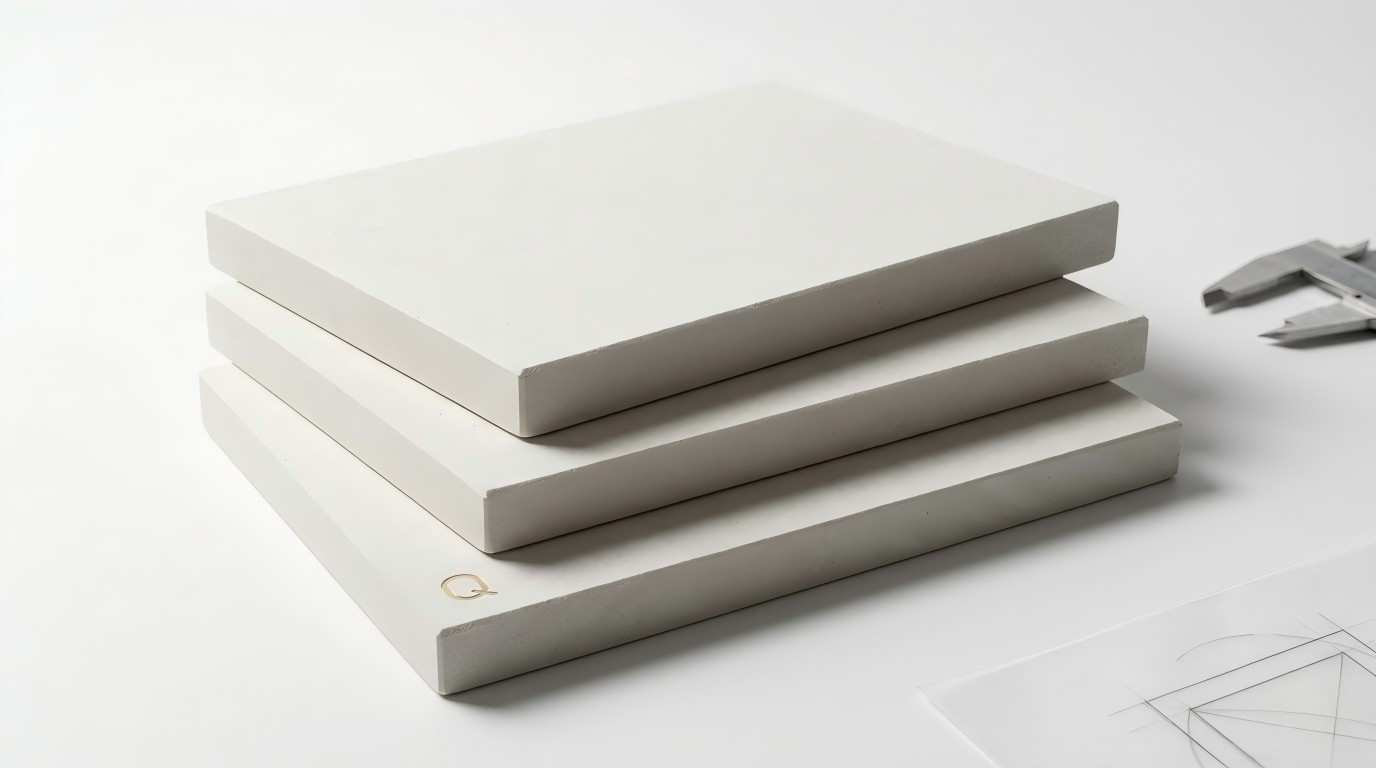
Strategic Procurement Considerations
To optimize your procurement strategy and protect your profit margins, consider the following logistical and financial factors:
- Freight and Logistics: Due to the heavy weight of dense fireproof boards, shipping costs can significantly inflate the final price. Source locally or negotiate CIF/FOB terms carefully.
- Wastage Allowances: Factor in a 5-10% breakage or cutting waste margin when calculating the total required volume for your project.
- Custom Fabrication: Ordering pre-cut sizes might have a higher upfront cost but drastically reduces expensive on-site labor and hazardous dust management.
- Payment Terms: Established manufacturers often provide Net 30 or Net 60 terms to trusted B2B partners, which can greatly ease project cash flow.
FireSafe Pro Tip: Do not compromise on packaging. Insist on heavy-duty corner protectors and shrink-wrapped, palletized shipments. Damaged edges on fireproof boards can void their fire rating and lead to costly project rejections by building inspectors.
Conclusión
Choosing the right B2B fireproof board manufacturer is a foundational step in ensuring the safety, compliance, and success of your construction projects. By strictly evaluating material composition, independent fire certifications, and manufacturing consistency, you can secure a reliable and efficient supply chain. Whether your project requires MgO boards for exterior sheathing or calcium silicate for high-heat industrial enclosures, prioritizing quality over the lowest initial bid will protect both your structures and your professional reputation. Partner with trusted industry experts like FireSafe to guarantee your next build meets the absolute highest standards of passive fire protection.