Les panneaux structuraux à indice de résistance au feu sont conçus pour supporter des charges de bâtiment importantes tout en offrant une résistance au feu essentielle, ce qui les rend idéaux pour murs porteurs et les planchers. En revanche, les panneaux ignifugés non structuraux ne peuvent pas supporter de lourdes charges et sont exclusivement utilisés pour les cloisons intérieures, les plafonds et les revêtements extérieurs où la capacité de charge n'est pas nécessaire.
Qu'est-ce qu'un panneau structurel résistant au feu ?
Un panneau structurel ignifugé est un matériau de construction spécialisé conçu pour supporter le poids physique d'un bâtiment commercial tout en offrant des niveaux élevés de protection contre l'incendie. Ces panneaux robustes intègrent l'intégrité portante avec une résistance au feu sévère, garantissant que la structure d'un bâtiment reste debout et stable lors d'un incendie catastrophique.
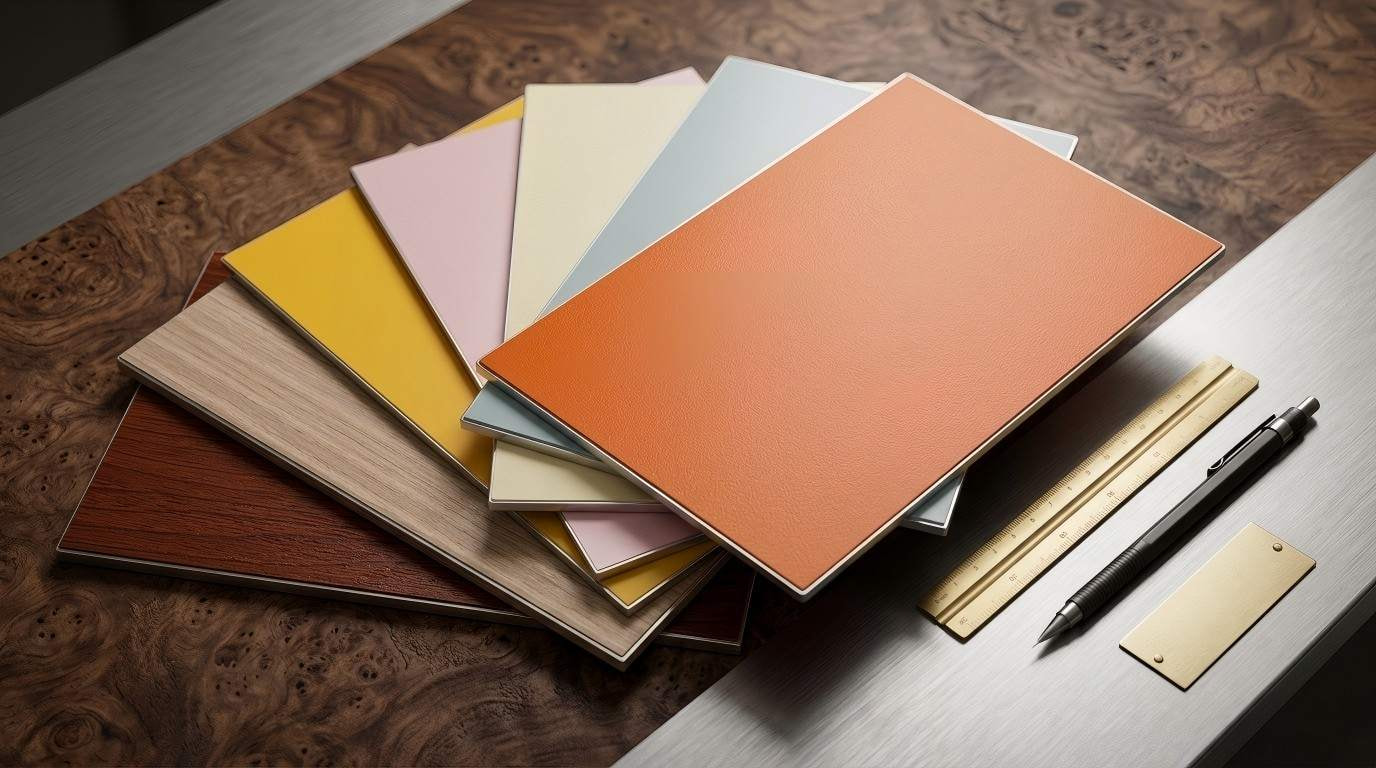
Matériau de base : Généralement construit à partir de oxyde de magnésium (MgO), Les panneaux de bois de construction traités contre le feu avec des noyaux incombustibles spécialisés sont des panneaux de bois de construction, des composites cimentaires résistants ou des panneaux de bois de construction traités contre le feu.
Capacité de charge : Conçus pour supporter d'importantes charges axiales verticales et horizontales, ils constituent l'élément structurel principal des constructions commerciales.
Applications courantes : Largement utilisé dans les murs extérieurs porteurs, les systèmes de planchers structuraux, les cages d'ascenseurs et les terrasses de toit où la sécurité incendie et le support de poids sont obligatoires.
[Insérer une vidéo sur les panneaux structuraux ignifugés].
Qu'est-ce qu'un panneau non structurel résistant au feu ?
Un panneau ignifuge non structurel est conçu uniquement pour compartimenter les incendies et empêcher la propagation des flammes sans supporter aucune charge structurelle du bâtiment. Ces panneaux légers sont essentiels pour créer des routes de sortie et la protection des espaces intérieurs où les charges lourdes sont déjà supportées par l'ossature principale en acier ou en bois.
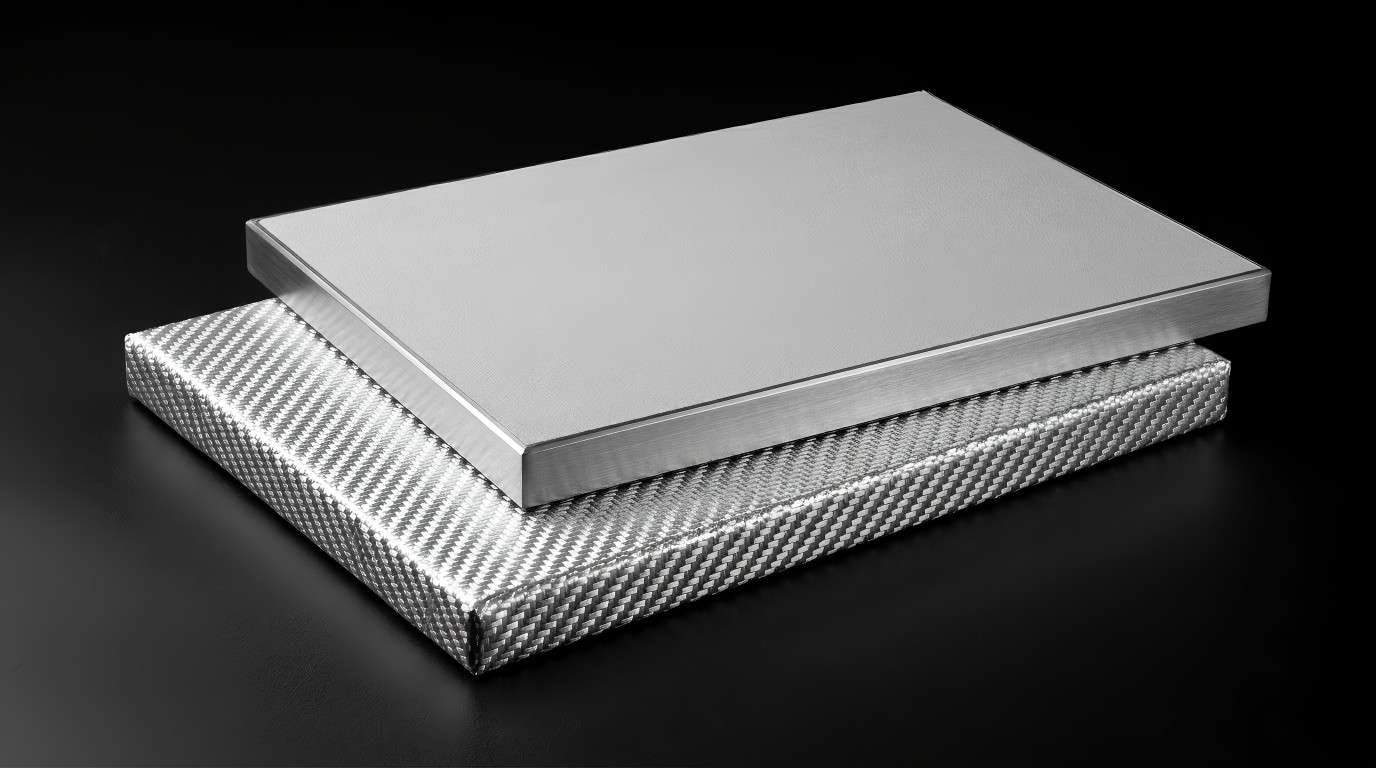
Matériau de base : Souvent fabriqués à partir de Plâtre de type X ou de type C, léger laine minérale, ou des composés de cloisons sèches standard à indice de résistance au feu.
Capacité de charge : Il ne possède aucune capacité de charge et dépend entièrement d'une ossature externe (comme des montants en acier) pour son soutien physique et sa rigidité.
Applications courantes : Principalement installé dans les cloisons intérieures, les plafonds suspendus, les barrières de couloir et les revêtements extérieurs décoratifs.
[Insérer une vidéo sur les panneaux ignifuges non structurels].
Principales différences : Panneaux ignifugés structuraux et non structuraux
Lors du choix d'un panneau ignifugé pour une construction commerciale, la distinction se fait en fonction de la capacité technique, de la composition du matériau et du lieu d'installation.
| Fonctionnalité | Panneau structurel résistant au feu | Panneau ignifugé non structurel |
|---|---|---|
| Capacité de charge | Ours charges primaires du bâtiment | Ne peut pas supporter les charges de la construction |
| Matériaux | Oxyde de magnésium, plaques de ciment | Type X Plâtre, laine minérale |
| Installation | Remplace le revêtement structurel traditionnel | Appliqué sur l'ossature structurelle existante |
| Coût | Coût initial des matériaux plus élevé | Coût inférieur des matériaux |
ClearFilter Pro Tip: Lorsque nous concevons des espaces commerciaux, nos ingénieurs recommandent toujours de vérifier les codes de construction locaux dès le début de la phase de planification. La substitution d'un panneau ignifugé non structurel dans une zone porteuse est une violation critique de la sécurité qui entraînera instantanément l'échec de l'inspection et compromettra l'ensemble de la structure.
Comparaison des avantages et des inconvénients
| Fonctionnalité | Panneau structurel résistant au feu | Panneau ignifugé non structurel |
|---|---|---|
| Avantages | Élimine la nécessité d'un revêtement structurel séparé | Très rentable et facile à approvisionner localement |
| Inconvénients | Plus lourd, plus difficile à couper et nécessitant plus de main d'œuvre pour l'installation. | Nécessite un cadre structurel séparé pour rester debout |
| Flexibilité | Rigide et très durable ; moins adaptable aux conceptions courbes | Facile à découper, à façonner, à coller et à finir sur place |
| Classement au feu | Jusqu'à 2-4 heures (en fonction de la Assemblage UL) | Jusqu'à 1-3 heures (en fonction de l'assemblage UL) |
Conclusion
Le choix du panneau ignifugé approprié dépend en fin de compte des exigences spécifiques d'ingénierie et de sécurité de votre projet de construction commerciale. Si vous avez besoin d'un matériau capable de supporter le poids du bâtiment tout en résistant aux flammes, les panneaux structuraux sont votre seule option viable. Cependant, pour les murs coupe-feu intérieurs, les puits d'évacuation et les cloisons de pièces standard, les panneaux non structuraux constituent une solution légère, très rentable et conforme au code.
FAQ
1. Puis-je utiliser un panneau coupe-feu non structurel sur un mur extérieur ? Oui, mais uniquement en tant que revêtement extérieur ou couche de finition sur une structure primaire qui supporte déjà la charge du bâtiment.
2. Les panneaux structuraux ignifugés sont-ils étanches ? De nombreuses options structurelles, comme les panneaux d'oxyde de magnésium, offrent une excellente résistance à l'humidité, mais elles requièrent généralement un système de ventilation dédié. barrière résistante aux intempéries (WRB) pour une imperméabilisation totale de l'extérieur.
3. Comment savoir de quel panneau ignifugé mon projet a besoin ? Consultez l'ingénieur en structure et l'architecte de votre projet ; ils détermineront les exigences en matière de charge et spécifieront les assemblages homologués UL exacts nécessaires pour respecter les codes locaux de prévention des incendies.