
Proper handling and storing of Fireproof Boards on job sites are critical steps to prevent performance degradation and ensure maximum safety compliance. When exposed to improper moisture, physical impact, or incorrect stacking, even the highest-quality materials can lose their structural integrity and fire-resistant properties. Implementing strict site management protocols guarantees that your FireSafe installations perform flawlessly during emergencies.
What is Fireproof Board?
A Fireproof Board is a specialized, non-combustible building material engineered to withstand extreme temperatures and prevent the spread of flames. Typically composed of magnesium oxide, calcium silicate, or gypsum, these boards provide passive fire protection for structural elements, walls, and ceilings in commercial and residential construction.

Core Composition and Manufacturing
Fireproof Boards are manufactured using advanced mineral matrix technologies that inherently resist combustion and thermal transfer. Unlike standard drywall, these boards are reinforced with specialized fibers and chemical binders that maintain their physical shape even when exposed to direct flames for extended periods. The specific composition determines the board’s environmental durability and fire-rating classification.
- Magnesium Oxide (MgO): Offers superior heat resistance, immense structural strength, and natural resistance to mold and moisture.
- Calcium Silicate: Provides excellent moisture tolerance alongside high-temperature endurance, making it ideal for industrial applications.
- Type X Gypsum: Features a high-density core infused with glass fibers that act as a reinforcing net to maintain structural integrity when exposed to fire.
FireSafe Pro Tip: Always inspect the edges of your Fireproof Board upon delivery; micro-cracks from transit mishandling can compromise the board’s official fire-rating certification.
How Does Fireproof Board Work?
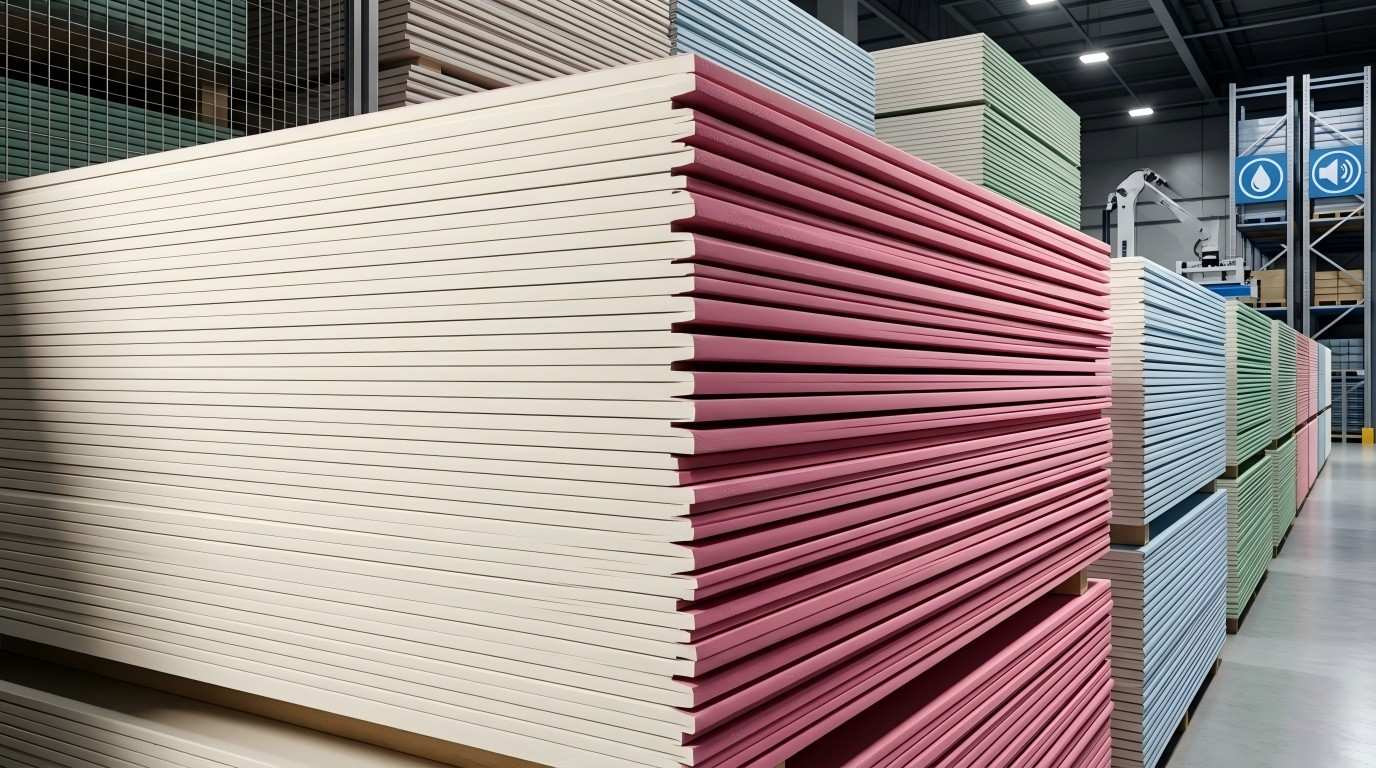
Fireproof Boards work by utilizing endothermic chemical reactions and highly insulating core materials to block heat transfer. When exposed to fire, the board releases chemically bound water as steam, absorbing thermal energy and keeping the unexposed side of the wall well below ignition temperatures.
The Thermal Resistance Mechanism
The effectiveness of a Fireproof Board relies on its ability to act as both a physical barrier to flames and a thermal insulator against extreme heat. The materials are designed to undergo specific physical changes during a fire event, which actively slow down the progression of the blaze and protect the load-bearing structures behind them.
- Initial Exposure: The dense surface reflects radiant heat away from the structural frame, delaying the onset of critical temperature spikes.
- Calcination Process: Chemically bound water molecules within the board’s core vaporize into steam, actively cooling the surrounding assembly through an endothermic reaction.
- Barrier Formation: Once the moisture is depleted, the remaining fiberglass or mineral structure forms a solid, non-combustible crust that prevents flame penetration and structural collapse.
FireSafe Pro Tip: Ensure all joints are sealed with certified fire-rated intumescent caulk; a Fireproof Board assembly is only as effective as its weakest seam.
What are the 5 principles of fire prevention?
The five fundamental principles of fire prevention are education, engineering, enforcement, emergency response, and evaluation. In construction environments, these principles guide the implementation of safe material storage, the installation of passive fire barriers like Fireproof Boards, and the execution of strict site safety protocols.
Video Guide: Discover the foundational principles of fire protection to better understand how passive systems like Fireproof Boards integrate into overall site safety.
Applying Fire Prevention Principles on Job Sites
Integrating these five principles into daily site operations significantly reduces the risk of accidental fires and ensures that life-saving materials remain in pristine condition prior to installation. A holistic approach to fire safety requires cooperation from site managers, laborers, and safety inspectors.
- Education: Training workers on proper handling techniques to avoid damaging the delicate edges of fire-rated materials.
- Engineering: Designing the site layout to physically separate combustible waste from stored Fireproof Boards and staging areas.
- Enforcement: Conducting rigorous daily inspections to ensure safety standards and proper storage methods are consistently met.
- Emergency Response: Maintaining clear access routes and ensuring readily available, fully charged fire extinguishers in all staging zones.
- Evaluation: Reviewing near-miss incidents and site audits to continuously improve future material storage and handling practices.
FireSafe Pro Tip: Designate a specific “clean zone” for storing your Fireproof Board inventory, strictly enforcing a no-hot-work policy within a 30-foot radius.
What are the 3 P’s of fire prevention?
The 3 P’s of fire prevention stand for Prevent, Plan, and Practice. This proactive framework ensures that construction teams actively prevent fire hazards, plan safe storage for sensitive materials like Fireproof Boards, and practice emergency response drills to minimize risks during active building phases.
Video Guide: Explore strategic fire protection designs and safe storage planning techniques for warehousing and material staging areas.
Executing the 3 P’s in Material Management
The 3 P’s provide a simple, memorable framework that can be easily communicated to all contractors on a job site. When applied specifically to the handling and storage of passive fire protection materials, this methodology prevents costly material degradation and enhances overall site safety.
- Prevent: Elevate Fireproof Boards on heavy-duty pallets and cover them with breathable, waterproof tarps to prevent moisture degradation and accidental ignition of packaging.
- Plan: Map out material staging areas far away from welding zones, temporary space heaters, and flammable fuel storage tanks.
- Practice: Conduct weekly site walkthroughs to ensure storage protocols are maintained, materials are stacked securely, and emergency escape routes remain unblocked.
FireSafe Pro Tip: Incorporate material storage checks into your daily morning safety briefings to keep the 3 P’s top of mind for all contractors handling the boards.
What are the fire safety tips for construction sites?
Critical fire safety tips for construction sites include strictly controlling hot work operations, maintaining clean and organized staging areas, securing flammable liquids, and properly storing passive fire protection materials. Keeping Fireproof Boards dry and undamaged ensures they will perform to their specified fire rating.
Video Guide: Learn the basics of comprehensive fire protection and life safety systems applicable to active construction environments.
Essential Site Safety Protocols
Construction sites are inherently vulnerable to fire due to the combination of raw materials, temporary electrical setups, and active hot work. Protecting your inventory of Fireproof Boards requires a combination of common-sense safety practices and strict administrative controls.
- Implement a rigorous Hot Work Permit system for any welding, cutting, or grinding operations taking place near material storage.
- Store Fireproof Boards completely flat on raised dunnage inside a weatherproof, well-ventilated structure to prevent warping and moisture absorption.
- Remove combustible debris, sawdust, and empty packaging materials from the job site on a daily basis.
- Install temporary fire extinguishers at every material staging area and clearly mark all emergency exit routes with high-visibility signage.
FireSafe Pro Tip: Never store Fireproof Boards vertically against a wall; this can cause severe bowing and structural stress that compromises the board’s integrity before installation.
Key Features & Comparison
Understanding the distinct characteristics of different Fireproof Board options is vital for selecting the right material for your project. Key features such as moisture resistance, compressive strength, and fire-rating duration vary significantly across different board compositions and manufacturing techniques.
Evaluating Fireproof Board Technologies
Based on our internal data and market analysis, here is the breakdown:
| Feature | Magnesium Oxide (MgO) | Calcium Silicate | Type X Gypsum |
|---|---|---|---|
| Fire Rating | Up to 4 Hours | Up to 4 Hours | 1-2 Hours |
| Moisture Resistance | Excellent | Very Good | Poor (unless treated) |
| Impact Resistance | High | High | Moderate |
| Best Application | Exterior / Harsh Environments | High-Heat Industrial | Standard Interior Walls |
FireSafe Pro Tip: If your job site is exposed to high humidity or frequent rain, opt for Magnesium Oxide boards, as they will not degrade or lose their fire rating when exposed to moisture.
Cost & Buying Factors
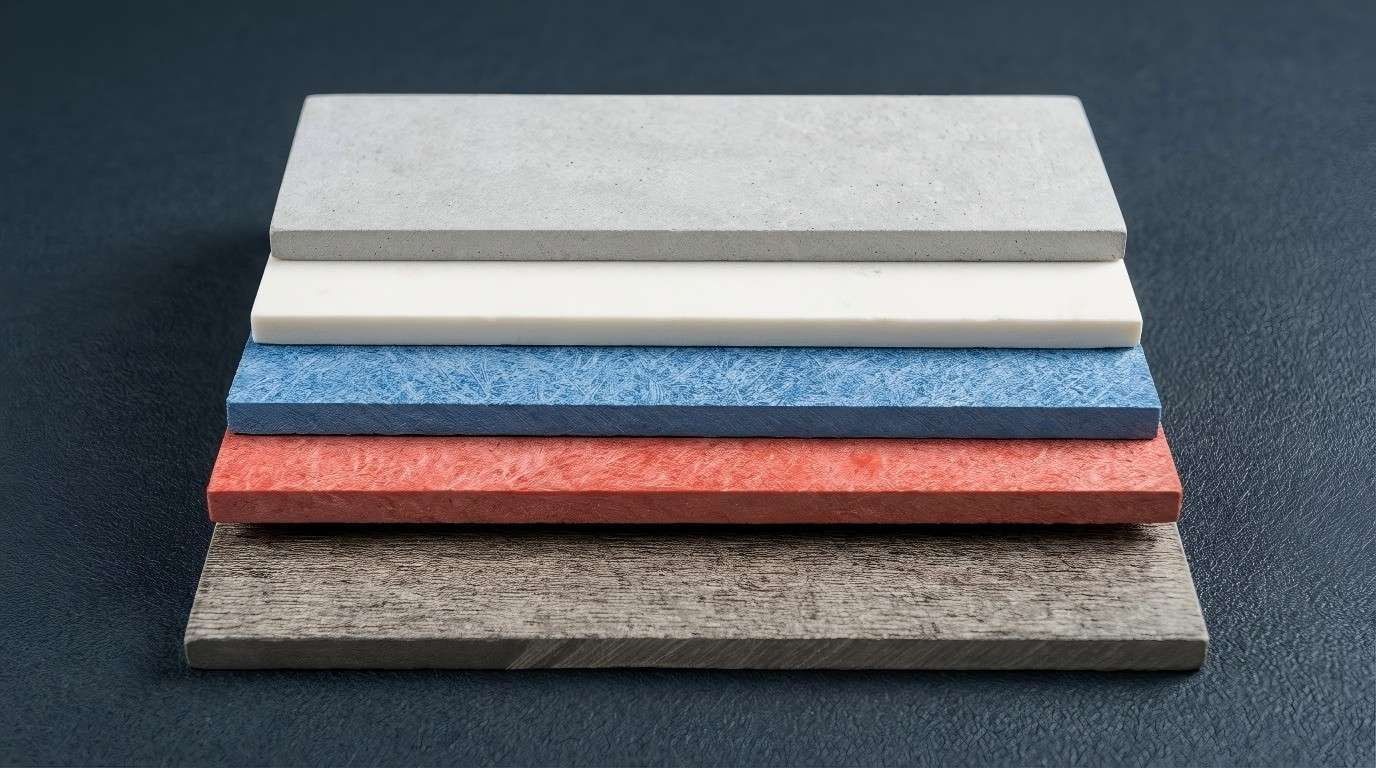
The cost of Fireproof Boards is influenced by the core material composition, the required fire-rating duration, and the board’s thickness. When purchasing, contractors must also factor in the hidden costs of improper storage, as damaged boards must be entirely replaced to pass safety inspections.
Budgeting for Passive Fire Protection
Accurately estimating the cost of passive fire protection involves looking beyond the initial price per sheet. Proper logistics, specialized handling equipment, and the specific performance requirements of the building code all play a role in the final material budget.
- Material Type: Standard Type X Gypsum is generally the most cost-effective option, while highly specialized MgO and Calcium Silicate boards carry a premium price tag.
- Board Thickness: Thicker boards (such as 5/8″ or 3/4″) required for achieving higher fire ratings will increase both the material cost and the shipping weight.
- Logistics and Storage: Factor in the cost of heavy-duty pallets, weather-resistant tarps, and secure indoor staging space to protect your investment from degradation.
- Certifications: Boards carrying specific UL or ASTM certifications may cost more upfront but are strictly mandatory for commercial code compliance and passing final inspections.
FireSafe Pro Tip: Always order 10% more Fireproof Board than your initial takeoff requires to account for job site cutting waste and minor handling damage.
Conclusion
Properly handling and storing Fireproof Boards on job sites is a non-negotiable aspect of modern construction safety. By adhering to strict staging protocols, understanding fire prevention principles, and choosing the right FireSafe products, you guarantee that your building’s passive fire protection systems will perform flawlessly.
Final Thoughts on Site Management
The integrity of a building’s fire safety system begins the moment the materials arrive on the job site. Degraded, cracked, or water-logged boards cannot provide the life-saving protection they were engineered to deliver. Consistent site management is the key to maintaining material performance.
- Prioritize flat, elevated storage to prevent panel warping and ground moisture intrusion.
- Integrate material handling protocols and inspection routines into daily safety meetings.
- Enforce the 3 P’s (Prevent, Plan, Practice) across all contractor teams to maintain a hazard-free staging environment.
FireSafe Pro Tip: Protect your financial investment and your future building occupants—make strict material handling the cornerstone of your site’s fire safety culture.