
Gli ambienti ad alta temperatura presenti nei forni industriali richiedono una gestione termica efficace per garantire l’efficienza operativa e la sicurezza strutturale. L’integrazione di pannelli ignifughi di alta qualità in queste applicazioni soggette a calore estremo garantisce un isolamento fondamentale, riduce il consumo energetico e previene perdite di calore catastrofiche. Comprendere la composizione e l’applicazione di questi materiali avanzati materiali refrattari è fondamentale per ottimizzare i sistemi di trattamento termico industriale e prolungare la durata delle infrastrutture produttive critiche.
Guida video: Scopri i principi fondamentali per isolare correttamente un forno industriale al fine di massimizzare la ritenzione del calore.
Che cos'è il pannello ignifugo?
Un pannello ignifugo è un materiale refrattario rigido e specifico, progettato per resistere a temperature industriali estreme, garantendo al contempo un isolamento termico di livello superiore. Realizzato con fibre ceramiche di elevata purezza e leganti inorganici, resiste a shock termico, agli attacchi chimici e all'usura fisica in ambienti difficili quali forni e fornaci.
Guida video: Scopri le molteplici applicazioni e le proprietà dei materiali dell'isolante ignifugo in fibra ceramica.
Composizione e produzione
I pannelli ignifughi sono realizzati mediante avanzati processi di formatura sottovuoto che combinano specifiche fibre refrattarie con leganti organici e inorganici. Ciò consente di ottenere un prodotto rigido e autoportante che mantiene la propria forma anche in presenza di calore estremo.
- Fibre di allumina-silice: Il materiale di base che garantisce una resistenza alle alte temperature fino a 2300°F (1260°C).
- Zirconia Additivi: Aggiunto per schede destinate a temperature estremamente elevate, per estendere i limiti di utilizzo continuo fino a 2600°F (1426°C).
- Leganti inorganici: Garantiscono la rigidità strutturale e assicurano che il pannello non emetta gas né perda integrità se esposto a fiamme dirette.
Suggerimento di FireSafe Pro: Controlla sempre il grado di densità del tuo pannello; una densità maggiore garantisce una migliore integrità strutturale, ma offre un valore di isolamento leggermente inferiore rispetto alle alternative più leggere.
Come funziona il pannello ignifugo?
I pannelli ignifughi funzionano sfruttando la bassa conduttività termica materiali che trattengono il calore all'interno del forno, impedendogli di disperdersi nell'ambiente circostante. Le fibre ceramiche a trama fitta creano microscopiche sacche d'aria che bloccano efficacemente il trasferimento di calore, riflettendo l'energia radiante all'interno del forno.
Guida video: un'analisi dettagliata di come le coperte e i pannelli in fibra ceramica resistenti alle alte temperature bloccano il calore estremo.
La meccanica della resistenza termica
L'efficacia di un pannello ignifugo dipende dalla sua capacità di contrastare le tre modalità di trasferimento di calore: conduzione, convezione e irraggiamento.
- Blocco della conduzione: La bassa densità e la massa solida minima delle fibre ceramiche rallentano notevolmente il trasferimento fisico del calore attraverso il pannello.
- Intrappolamento per convezione: I vuoti microscopici presenti nella struttura del pannello intrappolano l'aria, impedendo la circolazione dei gas caldi attraverso lo strato isolante.
- Riflessione delle radiazioni: La superficie bianca brillante e opaca delle lastre in ceramica ad alta purezza riflette l'energia termica radiante direttamente all'interno della camera del forno, migliorando l'efficienza termica.
Suggerimento di FireSafe Pro: Per massimizzare l'efficienza termica, assicurarsi che tutti i giunti e le giunture tra le lastre siano sigillati con malta refrattaria resistente alle alte temperature, al fine di evitare i ponti termici.
Quali sono i vantaggi del pannello ignifugo?
L'installazione di pannelli ignifughi resistenti alle alte temperature riduce notevolmente il consumo energetico, garantendo il mantenimento di temperature interne costanti nel forno. Questi pannelli offrono un'eccezionale resistenza agli shock termici, prolungano la durata delle infrastrutture del forno, migliorano la sicurezza sul posto di lavoro e consentono cicli di riscaldamento e raffreddamento più rapidi.
Guida video: consigli fondamentali su come scegliere i materiali isolanti ignifughi più adatti prima di costruire o ristrutturare una fucina.
Vantaggi operativi
Il passaggio a pannelli ignifughi di alta qualità trasforma le dinamiche operative degli impianti di riscaldamento industriali, offrendo vantaggi sia immediati che a lungo termine.
- Efficienza nei consumi: Riducendo al minimo le perdite di calore, i bruciatori e gli elementi riscaldanti richiedono una quantità notevolmente inferiore di combustibile o di energia elettrica per mantenere le temperature desiderate.
- Resistenza agli shock termici: La struttura fibrosa consente al pannello di espandersi e contrarsi senza rompersi in caso di rapide variazioni di temperatura.
- Lavorabilità: Questi pannelli possono essere facilmente tagliati, forati e modellati in cantiere per adattarsi a geometrie complesse di forni senza ricorrere a utensili diamantati specializzati.
Suggerimento di FireSafe Pro: Nel calcolare il ritorno sull'investimento, occorre tenere conto della riduzione dei costi di combustibile; il passaggio a pannelli di qualità superiore spesso si ripaga da solo già entro il primo anno di funzionamento continuo del forno.
Come si effettua la manutenzione di un pannello ignifugo?
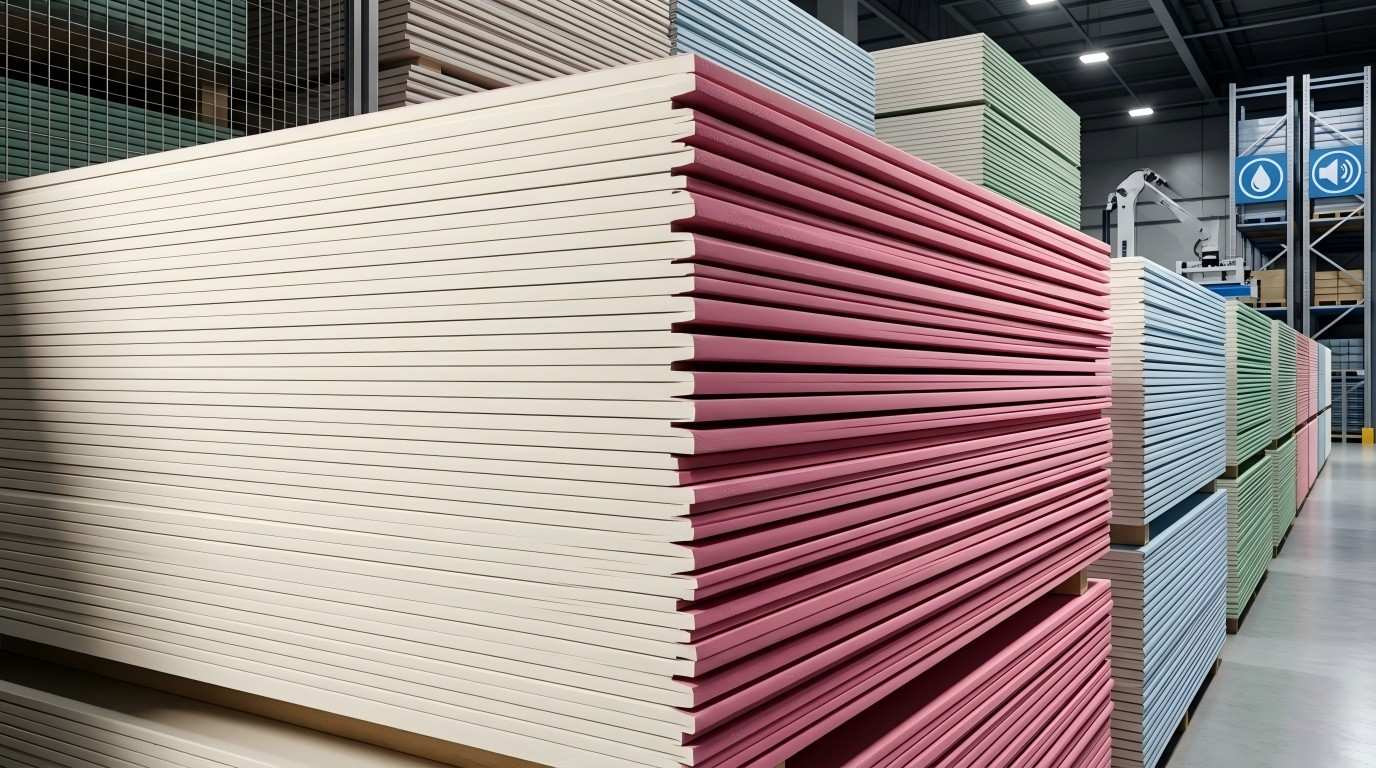
La manutenzione di un pannello refrattario prevede ispezioni visive periodiche volte a individuare eventuali crepe superficiali, restringimenti o danni fisici causati da urti meccanici. Una corretta manutenzione richiede di mantenere i pannelli asciutti, evitando l’esposizione diretta a scorie corrosive e riparando le piccole abrasioni superficiali con rivestimenti refrattari compatibili.
Protocolli di ispezione e riparazione di routine
Per garantire la durata dell'isolamento del vostro forno, si raccomanda vivamente di seguire un programma di manutenzione preventiva.
- Verifiche visive: Controllare mensilmente la superficie a contatto con il calore delle piastre per verificare la presenza di segni di ritiro eccessivo o di urti causati dal bruciatore.
- Sigillatura delle superfici: Applicare un agente indurente sulla superficie a contatto con il calore per fissare le fibre libere e proteggere dall'erosione causata dal gas ad alta velocità.
- Applicazione delle patch: Riempire immediatamente eventuali piccole crepe o fessure nei giunti utilizzando uno stucco modellabile in fibra ceramica o un sigillante pompabile per evitare dispersioni di calore.
Suggerimento di FireSafe Pro: Applicare un rivestimento riflettente resistente alle alte temperature sulla superficie calda della scheda per aumentarne la resistenza ai vapori chimici e prolungarne la durata operativa.
Qual è il prezzo del pannello ignifugo?
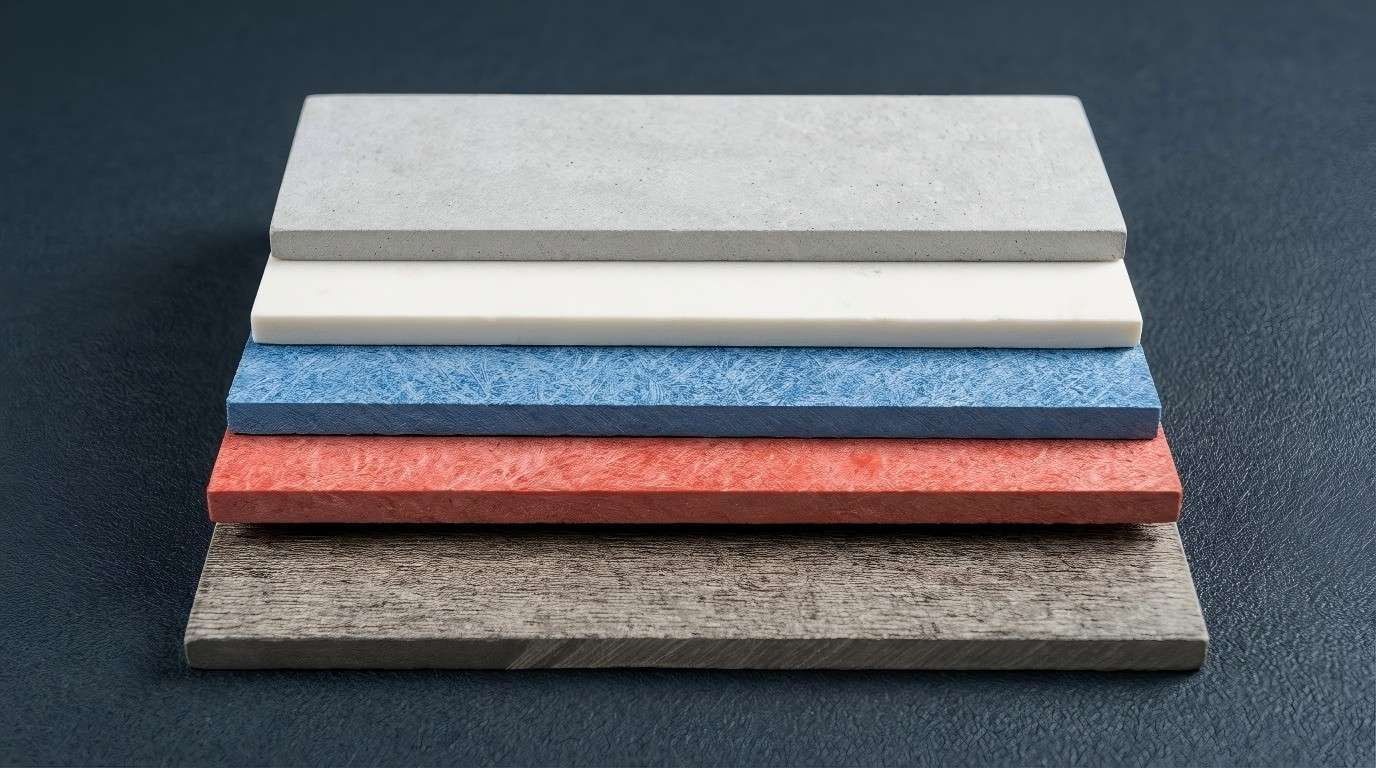
Il costo di un pannello ignifugo varia in genere da $20 a $100 per piede quadrato, a seconda della resistenza termica, dello spessore e della densità del materiale. I pannelli standard in allumina-silice sono più economici, mentre quelli specializzati ad alto contenuto di zirconio, destinati a temperature estremamente elevate, hanno un prezzo più elevato.
Fasce di prezzo e specifiche tecniche
Sulla base dei nostri dati interni e delle analisi di mercato, ecco la ripartizione:
| Tipo di scheda | Intervallo di temperatura nominale | Costo medio (per piede quadrato) | Migliore applicazione |
|---|---|---|---|
| Densità standard | 2300 °F (1260 °C) | $20 – $35 | Isolamento di riserva generale del forno |
| Alta densità | 2300 °F (1260 °C) | $35 – $55 | Rivestimenti per facce calde, deflettori |
| Ad alto contenuto di zirconio | 2600 °F (1426 °C) | $60 – $100 | Forni industriali per temperature ultra-alte |
Suggerimento di FireSafe Pro: Non limitarti ad acquistare l'opzione più economica disponibile; calcola il costo totale di proprietà su un periodo di cinque anni, tenendo conto del risparmio energetico e della frequenza di sostituzione.
Caratteristiche principali e confronto
Il confronto tra diversi pannelli ignifughi industriali evidenzia valori variabili per quanto riguarda le temperature massime di utilizzo continuo, la resistenza alla compressione e il ritiro termico. Per scegliere il pannello più adatto è necessario abbinare con attenzione queste caratteristiche tecniche specifiche alle rigorose esigenze operative del proprio forno industriale.
Analisi delle prestazioni dei materiali
Sulla base dei nostri dati interni e delle analisi di mercato, ecco la ripartizione:
| Caratteristica | Pannello ignifugo standard | Piastra in zirconia di alta qualità | Strutturale Silicato di calcio |
|---|---|---|---|
| Temperatura massima | 2300 °F | 2600 °F | 1800 °F |
| Shock termico | Eccellente | Eccellente | Povero |
| Resistenza alla compressione | Basso | Medio | Alto |
| Uso principale | Hot Face / Backup | Zone caratterizzate da caldo estremo | Backup strutturale |
Suggerimento di FireSafe Pro: Per ambienti caratterizzati da elevate vibrazioni meccaniche o da requisiti di resistenza al carico elevati, è consigliabile privilegiare schede con un elevato modulo di rottura (MOR) per prevenire la formazione prematura di crepe.
Costi e fattori di acquisto
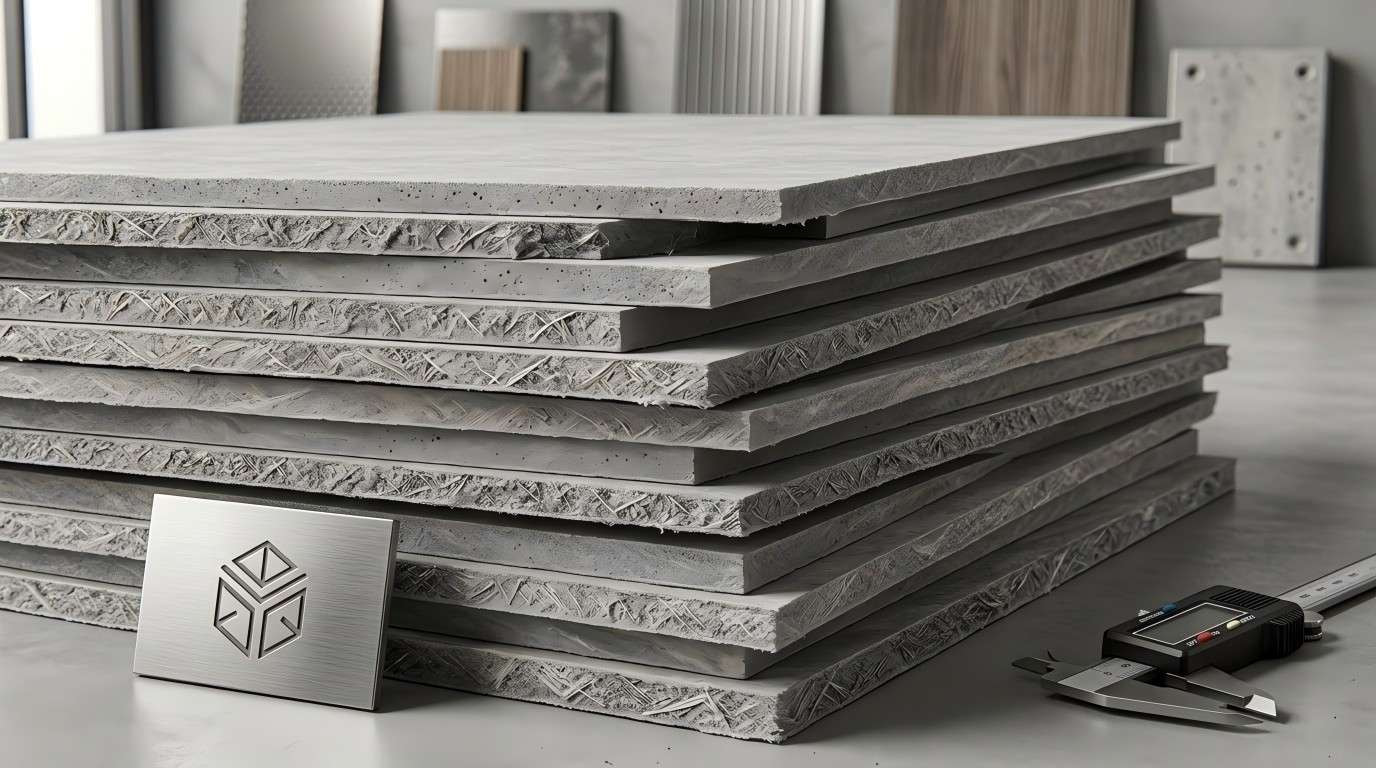
Al momento dell'acquisto di pannelli ignifughi, gli acquirenti devono valutare la temperatura massima di esercizio, la frequenza dei cicli termici e l'ambiente chimico del forno. Tenendo conto dei costi di spedizione, della manodopera necessaria per l'installazione e delle tolleranze dimensionali specifiche richieste, sarà possibile garantire un aggiornamento dei materiali refrattari efficace e conveniente.
Criteri essenziali di acquisto
La scelta dell'isolante giusto è una decisione tecnica fondamentale. Prima di procedere all'acquisto, è opportuno tenere in considerazione i seguenti fattori principali:
- Temperatura di esercizio rispetto alla temperatura massima: Scegliere sempre un pannello con una resistenza termica superiore di almeno 200°F rispetto alla temperatura massima di picco del forno, per tenere conto dei punti caldi localizzati.
- Compatibilità chimica: Se il vostro forno produce vapori alcalini o scorie pesanti, assicuratevi che la composizione chimica del pannello sia resistente a tali specifici agenti corrosivi.
- Precisione dimensionale: Per i forni progettati con estrema precisione, specificare pannelli con superfici levigate o lavorate a macchina per garantire giunti perfettamente a filo ed eliminare i percorsi termici.
Suggerimento di FireSafe Pro: Ordinate i pannelli pretagliati in base alle dimensioni esatte del vostro forno direttamente dal produttore, per ridurre i tempi di installazione e limitare al minimo la produzione di polveri nocive in cantiere.
Conclusione
I pannelli ignifughi resistenti alle alte temperature sono componenti assolutamente indispensabili per massimizzare l'efficienza, la sicurezza e la durata complessiva dei forni industriali. Scegliendo il tipo di materiale più adatto e attenendosi a rigorosi protocolli di manutenzione, i responsabili degli impianti possono ottimizzare in modo significativo le operazioni quotidiane di trattamento termico.
Raccomandazioni finali
Per ottenere i migliori risultati dai vostri sistemi industriali di gestione termica, tenete a mente questi punti chiave:
- Investire nella qualità: I pannelli di alta qualità garantiscono un ritorno sull'investimento più rapido grazie al risparmio energetico cumulativo.
- La sicurezza prima di tutto: Un adeguato isolamento protegge i lavoratori dalle pericolose temperature esterne del forno.
- Manutenzione programmata: L'applicazione periodica di stucchi e rivestimenti raddoppierà la durata del vostro rivestimento refrattario.
Suggerimento di FireSafe Pro: Affidatevi a uno specialista certificato in materiali refrattari per effettuare un controllo termografico annuale dell'esterno del vostro forno, al fine di individuare il deterioramento dell'isolamento prima che provochi un guasto grave.