
I pannelli strutturali resistenti al fuoco sono progettati per sostenere carichi edilizi significativi garantendo al contempo un livello essenziale di resistenza al fuoco, il che li rende ideali per muri portanti e pavimenti. Al contrario, i pannelli antincendio non strutturali non sono in grado di sostenere carichi pesanti e vengono utilizzati esclusivamente per tramezzi interni, soffitti e rivestimenti esterni dove non è richiesta alcuna capacità portante.
Che cos'è un pannello strutturale resistente al fuoco?
Un pannello strutturale resistente al fuoco è un materiale da costruzione specializzato, progettato per sostenere il peso fisico di un edificio commerciale e garantire al contempo elevati livelli di protezione antincendio. Questi robusti pannelli combinano l’integrità portante con un’elevata resistenza al fuoco, assicurando che la struttura dell’edificio rimanga in piedi e stabile durante un incendio di gravi proporzioni.

Materiale del nucleo: Solitamente realizzato in ossido di magnesio (MgO), compositi cementizi per impieghi gravosi o pannelli strutturali in legno trattati ignifughi con anime specializzate non combustibili.
Capacità di carico: Progettato per sopportare notevoli carichi assiali verticali e orizzontali, fungendo da elemento strutturale primario nell'edilizia commerciale.
Applicazioni comuni: Ampiamente utilizzato nelle pareti esterne portanti, nei sistemi strutturali per pavimenti, nei vani ascensore e nelle coperture dei tetti, dove sono obbligatori sia la sicurezza antincendio che la capacità di carico.
[Inserisci il video sui pannelli strutturali resistenti al fuoco]
Che cos’è un pannello antincendio non strutturale?
Un pannello antincendio non strutturale è progettato esclusivamente per compartimentare gli incendi e impedire la propagazione delle fiamme, senza sostenere alcun carico strutturale dell'edificio. Questi pannelli leggeri sono fondamentali per garantire la sicurezza vie di fuga e proteggere gli spazi interni in cui il sostegno di carichi pesanti è già garantito dalla struttura portante primaria dell'edificio, in acciaio o in legno.
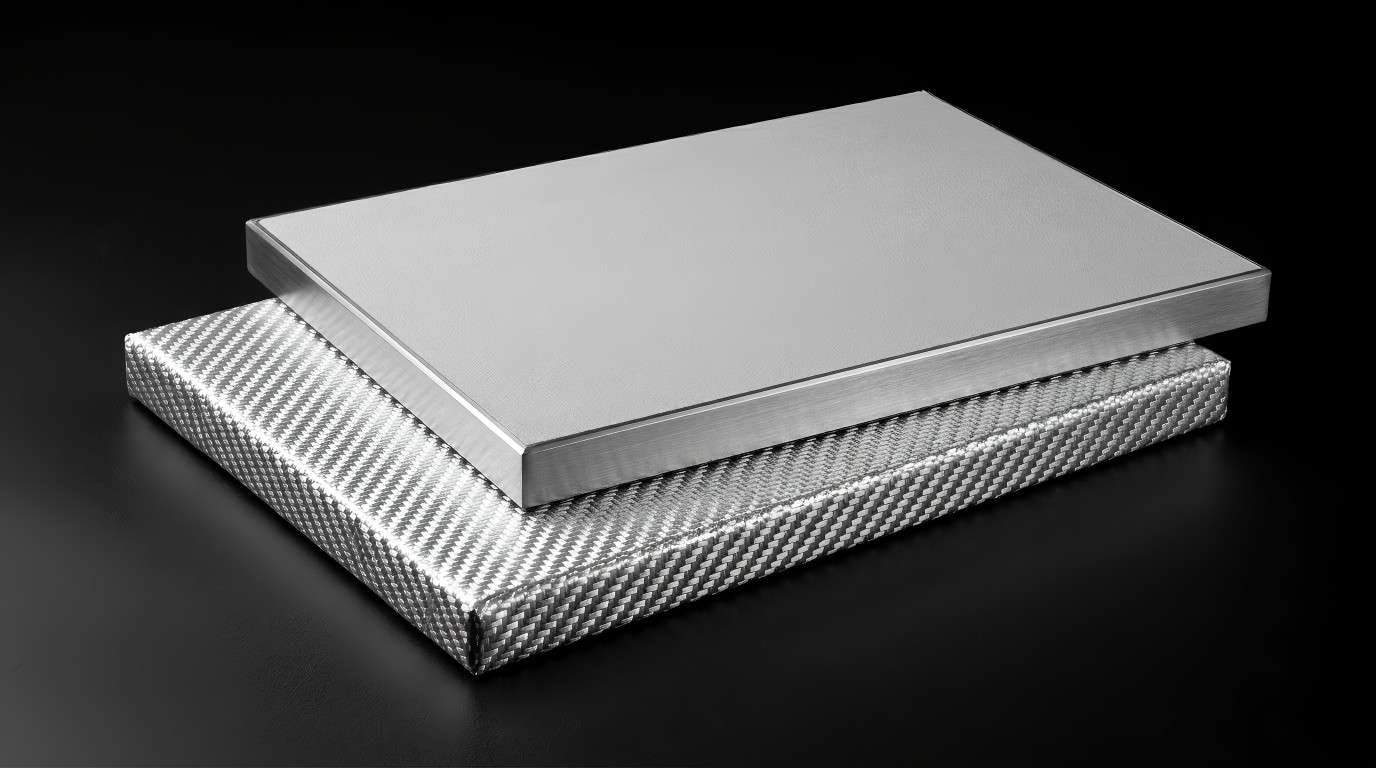
Materiale del nucleo: Spesso realizzato con Gesso di tipo X o di tipo C, leggero lana minerale, oppure composti standard per cartongesso resistenti al fuoco.
Capacità di carico: Non possiede alcuna capacità portante e si affida interamente a una struttura esterna (come i montanti in acciaio) per il sostegno fisico e la rigidità.
Applicazioni comuni: Viene installato principalmente in pareti divisorie interne, controsoffitti, barriere per corridoi e rivestimenti decorativi esterni.
[Inserire il video sui pannelli antincendio non strutturali]
Differenze principali: pannelli ignifughi strutturali e non strutturali
Nella scelta di un pannello ignifugo per l'edilizia commerciale, la scelta dipende dalle caratteristiche tecniche, dalla composizione dei materiali e dal luogo di installazione.
| Caratteristica | Pannello strutturale resistente al fuoco | Pannello antincendio non strutturale |
|---|---|---|
| Capacità di carico | Sopporta i carichi principali dell'edificio | Non è in grado di sostenere i carichi dell'edificio |
| Materiali | Ossido di magnesio, pannelli cementizi | Gesso di tipo X, lana minerale |
| Installazione | Sostituisce il rivestimento strutturale tradizionale | Applicato sulla struttura portante esistente |
| Costo | Costo iniziale dei materiali più elevato | Costo dei materiali inferiore |
Consiglio da esperto di ClearFilter Pro: Quando progettiamo spazi commerciali, i nostri ingegneri raccomandano sempre di verificare le norme edilizie locali sin dalle prime fasi della progettazione. L’utilizzo di un pannello antincendio non strutturale in una zona portante costituisce una grave violazione delle norme di sicurezza che comporterà l’immediata bocciatura dell’ispezione e comprometterà l’intera struttura.
Confronto tra pro e contro
| Caratteristica | Pannello strutturale resistente al fuoco | Pannello antincendio non strutturale |
|---|---|---|
| Vantaggi | Elimina la necessità di un rivestimento strutturale separato | Estremamente conveniente e facile da reperire sul mercato locale |
| Svantaggi | È più pesante, più difficile da tagliare e richiede più manodopera per l'installazione | Richiede un telaio strutturale separato per rimanere in posizione verticale |
| Flessibilità | Rigido e molto resistente; meno adatto a forme curve | Facile da tagliare, modellare, fissare con nastro adesivo e rifinire in loco |
| Classe di reazione al fuoco | Da 2 a 4 ore (a seconda del Assemblaggio UL) | Da 1 a 3 ore (a seconda del gruppo UL) |
Conclusione
La scelta del pannello ignifugo più adatto dipende, in ultima analisi, dai requisiti tecnici e di sicurezza specifici del vostro progetto di edilizia commerciale. Se avete bisogno di un materiale in grado di sostenere il peso dell’edificio e allo stesso tempo di resistere alle fiamme, i pannelli strutturali rappresentano l’unica opzione praticabile. Tuttavia, per le pareti tagliafuoco interne, i vani di evacuazione e le tramezzi standard, i pannelli non strutturali offrono una soluzione leggera, altamente conveniente e conforme alle normative.
FAQ
1. Posso utilizzare un pannello ignifugo non strutturale su una parete esterna? Sì, ma solo come rivestimento esterno o strato di finitura su un’ossatura strutturale primaria che già sostiene il carico dell’edificio.
2. I pannelli strutturali resistenti al fuoco sono impermeabili? Molte soluzioni strutturali, come i pannelli in ossido di magnesio, offrono un’eccellente resistenza all’umidità, ma in genere richiedono comunque un barriera resistente alle intemperie (WRB) per un'impermeabilizzazione completa degli esterni.
3. Come faccio a sapere quale pannello ignifugo è necessario per il mio progetto? Si raccomanda di consultare l'ingegnere strutturale e l'architetto del progetto; saranno loro a stabilire i requisiti di carico e a specificare gli esatti componenti certificati UL necessari per soddisfare le norme antincendio commerciali locali.