Understanding Fireproof Board Specifications: Density, Thermal Conductivity, and Fire Class

  1. ホーム
  2. "
  3. ケイ酸カルシウム板
  4. "
  5. 耐火パネルの目的とは?

目次

Selecting the right building materials is critical for life safety and structural integrity. A comprehensive understanding of fireproof board specifications—specifically density, thermal conductivity, and fire class—enables architects and contractors to make informed decisions that meet stringent building codes. By evaluating these technical metrics, you can ensure optimal 受動的防火 and energy efficiency for both residential and commercial projects.

Video Guide: Discover the foundational differences between general fire resistance and specific fire ratings.

What is Fireproof Board?

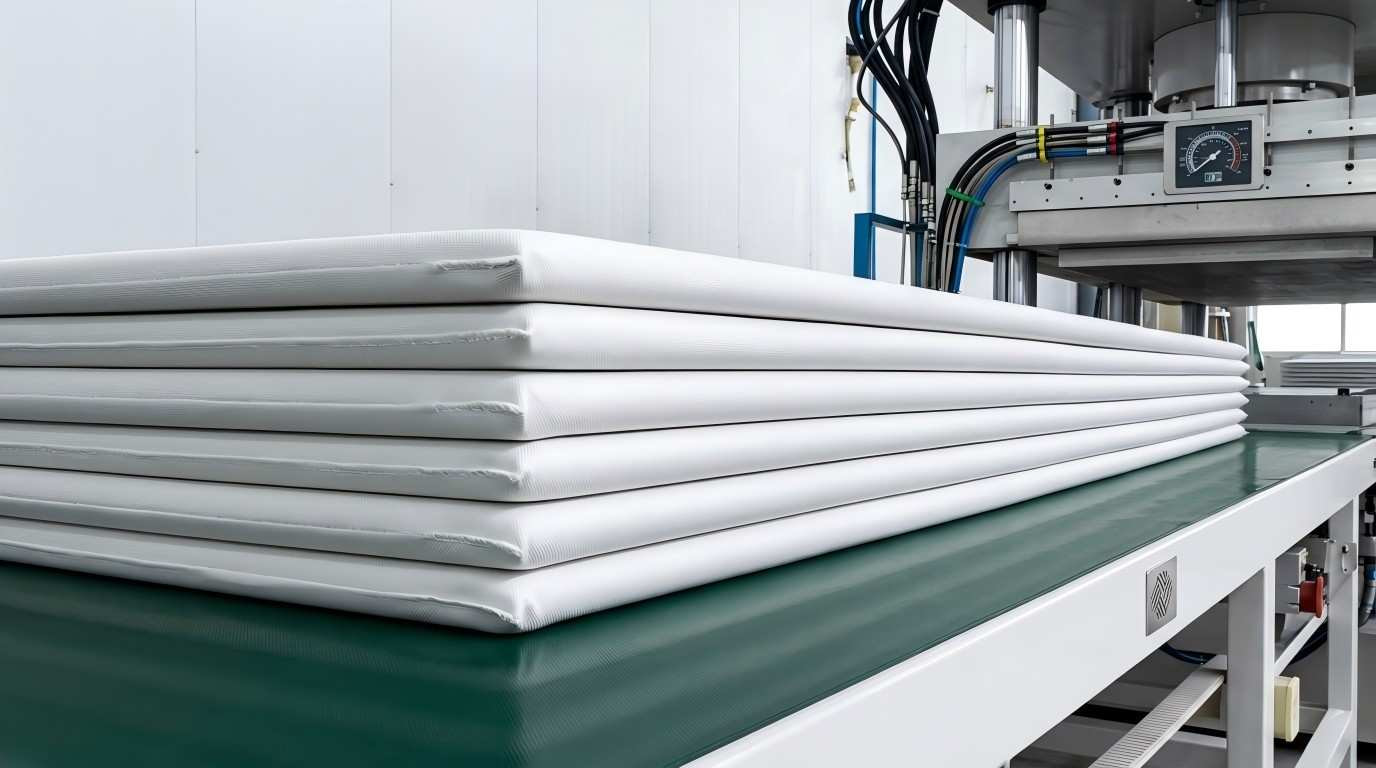
A fireproof board is a specialized construction material engineered to withstand high temperatures and prevent the spread of flames. Composed of non-combustible materials like gypsum, calcium silicate, or magnesium oxide, it acts as a passive fire protection barrier, safeguarding structural elements and providing crucial evacuation time during emergencies.

Video Guide: See exactly how standard plasterboard compares to specialized fire-resistant board in real-world applications.

Composition and Density Metrics

The effectiveness of a fireproof board heavily relies on its core composition and density. High-density boards offer superior fire resistance because dense molecular structures slow down heat transfer and resist cracking under extreme thermal stress.

  • Gypsum Core: Contains chemically combined water that releases as steam when heated, naturally cooling the surrounding area.
  • ケイ酸カルシウム: Highly durable and resistant to both moisture and sustained high heat without crumbling.
  • Magnesium Oxide (MgO): Offers exceptional density and structural strength, ensuring the board remains intact during prolonged fire exposure.

FireSafe Pro Tip: Always check the density specification (kg/m³) before purchasing; boards exceeding 800 kg/m³ typically offer significantly better long-term structural stability during a fire event.

How Does Fireproof Board Work?

Fireproof boards function by employing endothermic reactions and providing a physical thermal barrier. When exposed to extreme heat, the materials within the board release chemically bound water as steam, absorbing thermal energy and significantly delaying the transfer of heat to the underlying structural framework.

Video Guide: Learn how fire-resistant assemblies protect structural framing from intense heat.

The Thermal Conductivity Factor

熱伝導率 (often denoted as the K-value) measures a material’s ability to conduct heat. In passive fire protection, a lower thermal conductivity is ideal because it means the board effectively insulates the protected structure from the fire’s extreme temperatures.

Based on our internal data and market analysis, here is the breakdown:

Material TypeAverage Density (kg/m³)熱伝導率 (W/m-K)Fire Resistance Duration
Standard Gypsum600 – 7000.25Up to 30 mins
Fire-Rated Gypsum800 – 9000.2260 – 120 mins
ケイ酸カルシウム900 – 11000.15Up to 240 mins

FireSafe Pro Tip: When designing for maximum safety, pair boards with the lowest thermal conductivity alongside proper intumescent sealants to prevent heat leakage through the joints.

What is the difference between class 1 and class 0 fire rating?

Class 1 fire rating signifies a material that prevents the surface spread of flames, limiting fire propagation. Class 0 is a stricter, higher standard that not only achieves Class 1 but also severely restricts the amount of heat released from the material’s surface during a fire.

Video Guide: A comprehensive breakdown of how different fire resistance classes are tested and categorized.

Surface Spread vs. Heat Release

Understanding the distinction between these two British Standard classifications is vital for compliance in high-risk areas like escape routes and corridors.

  1. Class 1 (BS 476 Part 7): Focuses solely on the surface spread of flame. Materials must ensure flames do not travel quickly across the board’s surface.
  2. Class 0 (Building Regulations): Requires passing the Class 1 test plus the BS 476 Part 6 test for fire propagation, ensuring minimal heat contribution to the surrounding area.

FireSafe Pro Tip: Use Class 0 fireproof boards exclusively in circulation spaces and stairwells to ensure maximum evacuation safety and regulatory compliance.

What is the difference between Class A and Class B fire-retardant?

Class A fire-retardant materials offer the highest level of protection, boasting a flame spread rating between 0 and 25, making them highly resistant to fire. Class B materials provide moderate protection, with a flame spread rating between 26 and 75, suitable for areas with lower fire risks.

Video Guide: Understand the specific metrics and safety implications of a Class A fire rating.

Flame Spread and Smoke Development Indices

The ASTM E84 standard dictates these classifications based on how fast a flame travels across the board and how much smoke is generated. Selecting the right class ensures the building meets local occupancy codes.

Based on our internal data and market analysis, here is the breakdown:

ClassificationFlame Spread Index (FSI)Smoke Developed Index (SDI)Ideal Application
Class A0 – 25Under 450Hospitals, Schools, Exits
Class B26 – 75Under 450Commercial Offices
Class C76 – 200Under 450Residential Non-Exits

FireSafe Pro Tip: Even if a building code only requires Class B, upgrading to Class A Fireproof Boards in commercial kitchens or mechanical rooms is a cost-effective way to future-proof your facility.

What is a Class A Class 1 fire rating?

A “Class A / Class 1” fire rating simply combines the terminology of different testing bodies to describe the exact same top-tier fire performance. It indicates the material has a flame spread index of 0-25, representing the highest standard of fire resistance available in construction.

fireproof board (8)

Understanding Interchangeable Terminology

Often, contractors get confused by the interchangeable use of “Class A” and “Class 1.” While Class A is the term used by the 全米防火協会(NFPA) and the 国際建築基準法(IBC), “Class 1” is historically used in some regional codes or specific testing standards to denote the identical top-tier performance bracket.

  • NFPA 101 Standard: Refers to the highest safety tier as Class A.
  • UBC (Uniform Building Code): Historically referred to this same tier as Class 1.
  • Performance Reality: Both guarantee minimal flame spread and low smoke generation.

FireSafe Pro Tip: When reviewing architectural specs, treat “Class A” and “Class 1” as synonymous in the US market, but always verify the actual ASTM E84 test certificate from the manufacturer.

Key Features & Comparison

Summarizing the essential features of high-performance fireproof boards involves looking at density, thermal conductivity, and structural integrity under stress. A true fireproof board must outperform standard building materials across all safety metrics.

Based on our internal data and market analysis, here is the breakdown:

特徴Standard DrywallFireSafe Fireproof BoardPrimary Benefit
Core Density~650 kg/m³>900 kg/m³Prevents structural collapse
熱伝導率高いLow (<0.15 W/m·K)Stops heat transfer to framing
Fire ClassClass C / UnratedClass A / Class 0Meets strictest building codes
耐湿性Low高いPrevents mold and degradation

Cost & Buying Factors

When budgeting for passive fire protection, the initial cost of the board is just one component. High-density, Class A fireproof boards carry a premium over standard drywall, but they offset long-term costs by lowering insurance premiums and eliminating the need for complex, multi-layered drywall assemblies.

  • Material Costs: High-performance calcium silicate and MgO boards generally cost 20-40% more than standard Type X gypsum.
  • Installation Labor: Heavier, denser boards may require specialized cutting tools and reinforced framing, which can slightly increase labor times.
  • Certification: Ensure the boards carry UL or equivalent third-party testing labels; uncertified boards may fail building inspections, leading to costly tear-outs and project delays.

結論

Navigating fireproof board specifications—from density and thermal conductivity to understanding the nuances between Class A, Class 0, and Class 1 ratings—is essential for safe, compliant construction. By prioritizing high-density materials with low thermal conductivity, you establish a robust line of defense against catastrophic fire damage. Always consult local building codes and rely on trusted, certified products like those from FireSafe to protect your structural investments and, most importantly, human lives.

こんにちは、この記事を書いたスティーブ・シーです。過去12年間で、卸売業者、貢献者、建設業者を含む100社以上のお客様のパッシブ防火プロジェクトを支援してきました。ご質問や詳しい情報が必要な場合は、無料でお見積もりやソリューションのご相談を承りますので、お気軽にお問い合わせください。

受動的防火ワンストップ・ソリューション

当社の製品は、プロマットに匹敵する品質を、より競争力のある価格で提供しています。
ファイヤーセーフの選択

予算を伸ばす、 あなたの基準ではない

無料お見積もり

弊社のサービスをご利用になる前に、以下のフォームに必要事項をご記入の上、中国から輸入したいケイ酸カルシウム板の種類をお知らせください。

お客様のご要望をお伺いした後、担当者よりご連絡させていただきます。担当者が企画から発送までサポートいたします。

その他のサポートが必要な場合は、[email protected]