Procuring high-quality construction materials at scale requires rigorous attention to compliance and performance standards. For wholesalers, sourcing bulk quantities of the reliable Fireproof Board demands a strategic approach to quality control, supplier vetting, and material testing. Ensuring life-safety compliance not only protects end-users but also safeguards your distribution business from costly liabilities and reputational damage in a highly regulated market.
What is Fireproof Board?
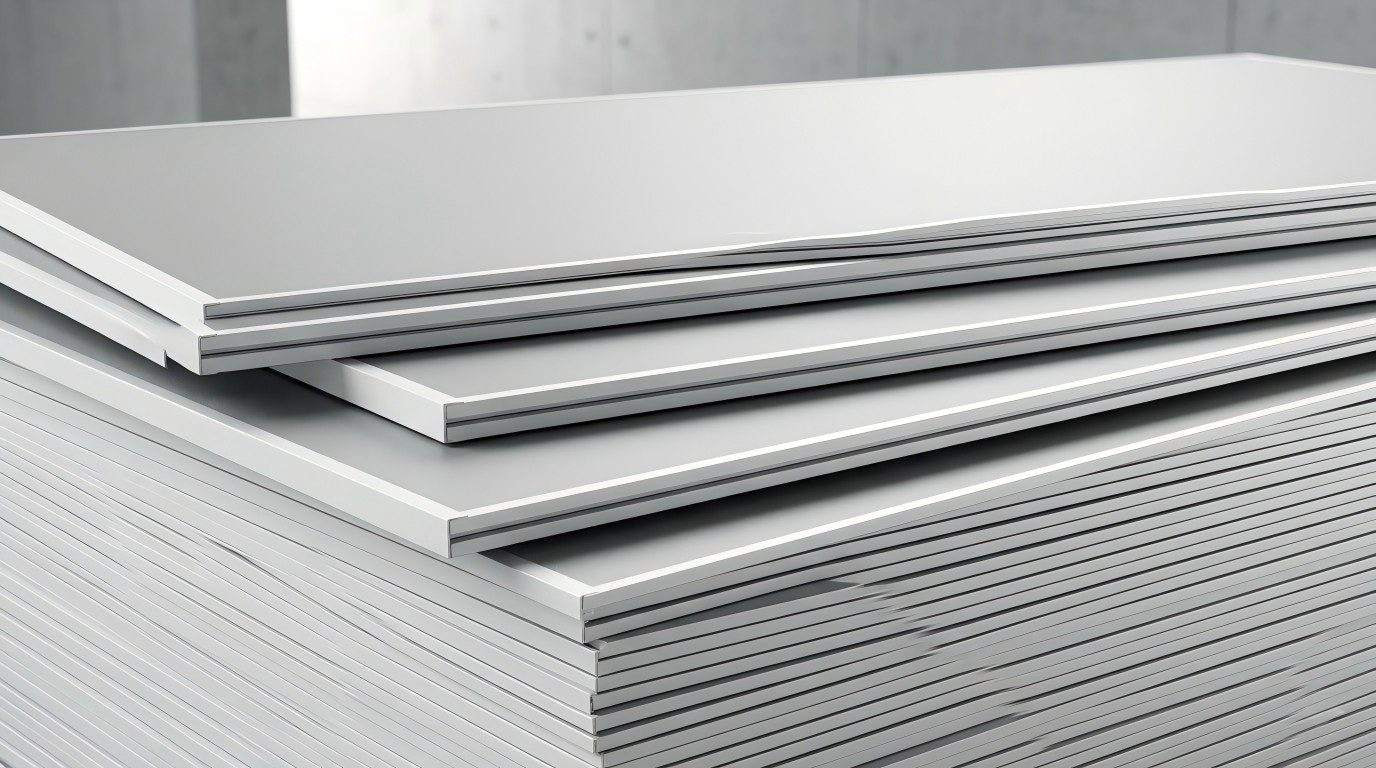
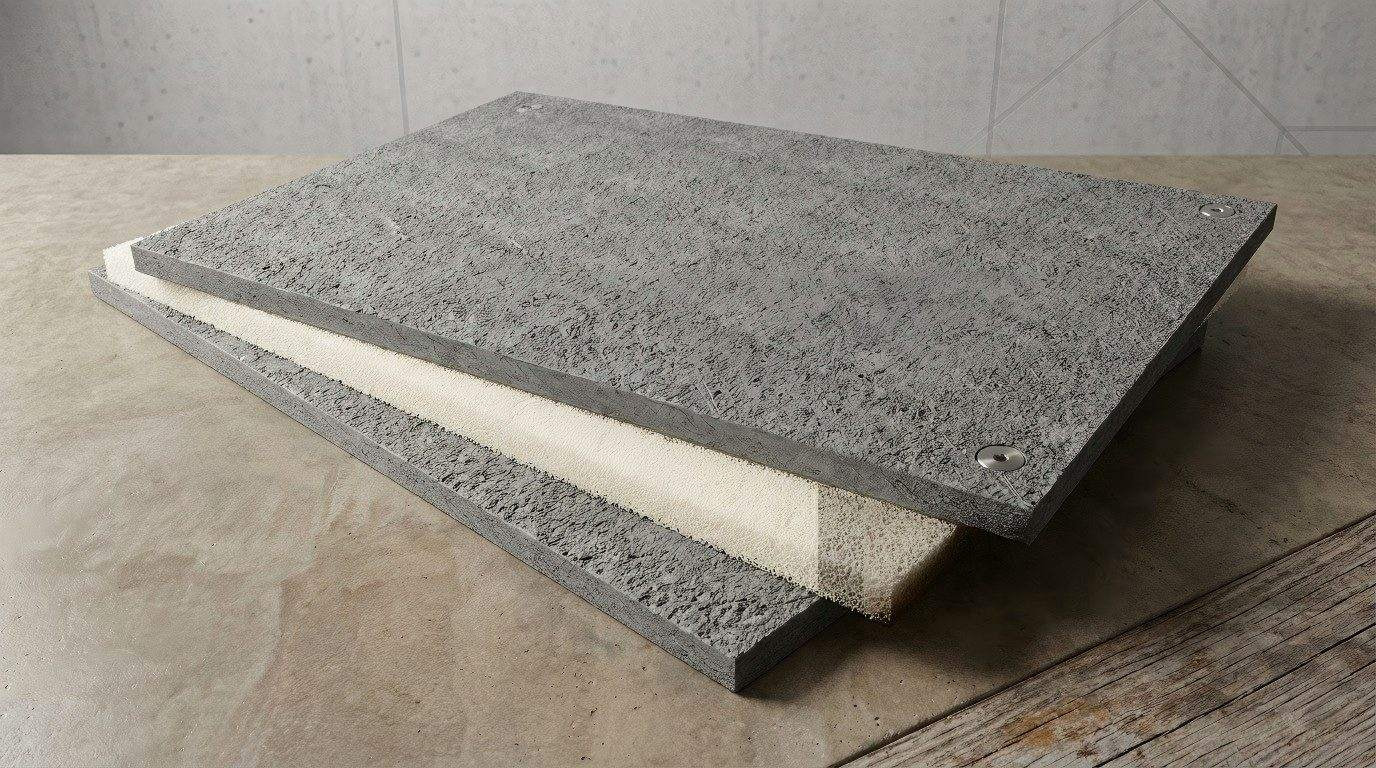
A Fireproof Board is a specialized, non-combustible building material engineered to resist high temperatures and prevent the spread of flames. Commonly manufactured from magnesium oxide, calcium silicate, or fiber cement, these boards provide critical 受動的防火 for commercial and residential structures while maintaining structural integrity.
Composition and Core Materials
Understanding the exact makeup of a Fireproof Board is essential for wholesalers matching products to specific regional building codes. Modern fire-resistant paneling relies on advanced mineral composites rather than traditional gypsum, offering superior durability against both fire and moisture.
- Magnesium Oxide (MgO): Offers exceptional fire resistance, high tensile strength, and environmental sustainability without toxic off-gassing.
- ケイ酸カルシウム: Known for high-temperature insulation and excellent moisture resistance, ideal for industrial applications.
- Fiber Cement: Blends Portland cement with reinforcing cellulosic fibers for heavy-duty structural and exterior applications.
FireSafe Pro Tip: Always verify that the specific composite of your bulk order aligns with the local fire ratings (like ASTM E119 or EN 13501-1) required by your target contractors.
How Does Fireproof Board Work?
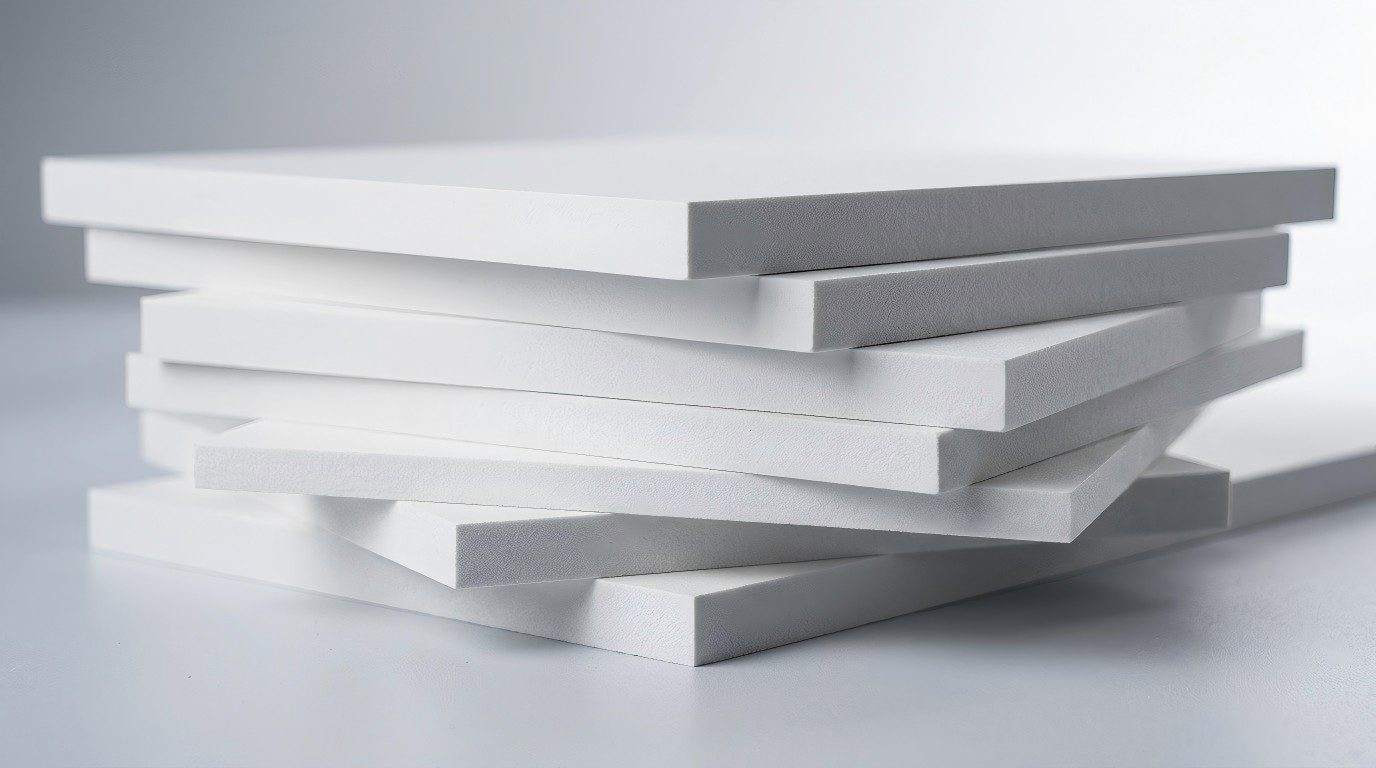
Fireproof Boards work by utilizing endothermic chemical reactions and low thermal conductivity to block heat transfer. When exposed to extreme heat, the mineral compounds within the board release chemically bound water as steam, actively cooling the surface and starving the fire of combustible fuel.
The Mechanics of Passive Fire Protection
The effectiveness of a Fireproof Board lies in its ability to compartmentalize a building, keeping flames and toxic smoke contained for a specified duration. This buys critical time for evacuation and emergency response while protecting the building’s load-bearing infrastructure.
Based on our internal data and market analysis, here is the breakdown:
| Mechanism | Function | Benefit |
|---|---|---|
| Endothermic Reaction | Releases water vapor when heated | Lowers surface temperature actively |
| 断熱 | Blocks heat transfer through walls | Protects adjacent rooms from ignition |
| Non-Combustibility | Refuses to ignite or spread flame | Prevents rapid fire escalation |
FireSafe Pro Tip: Educate your B2B clients on the difference between “fire-resistant” and “fireproof.” True fireproof boards must maintain structural integrity under direct flame for at least 1 to 4 hours.
What are the 5 key criteria when selecting a supplier?
Selecting a bulk supplier requires evaluating their manufacturing capacity, verifiable certifications, raw material consistency, export experience, and robust quality management systems. These five criteria ensure you receive compliant, high-grade Fireproof Boards on time, avoiding supply chain disruptions and costly regulatory failures.
Essential Supplier Vetting Metrics
Wholesalers must look beyond unit pricing when establishing long-term manufacturing partnerships. A reliable factory must demonstrate operational excellence and strict adherence to international safety standards to guarantee batch-to-batch consistency.
- International Certifications: Valid and verifiable UL, CE, or ISO 9001 credentials.
- Production Capacity: The physical infrastructure to meet bulk volume requirements without lead-time delays.
- Raw Material Sourcing: Transparent traceability of high-grade minerals, such as pure magnesium oxide or premium silicates.
- In-House Testing Facilities: The presence of on-site fire kilns, moisture testing units, and stress-testing labs.
- Export & Logistics Expertise: A proven track record of safe, moisture-free shipping protocols and proper palletization.
FireSafe Pro Tip: Request a live virtual tour of the supplier’s testing laboratory. If they cannot demonstrate their in-house batch testing procedures, consider it a major red flag.
What are the 4 types of QC?
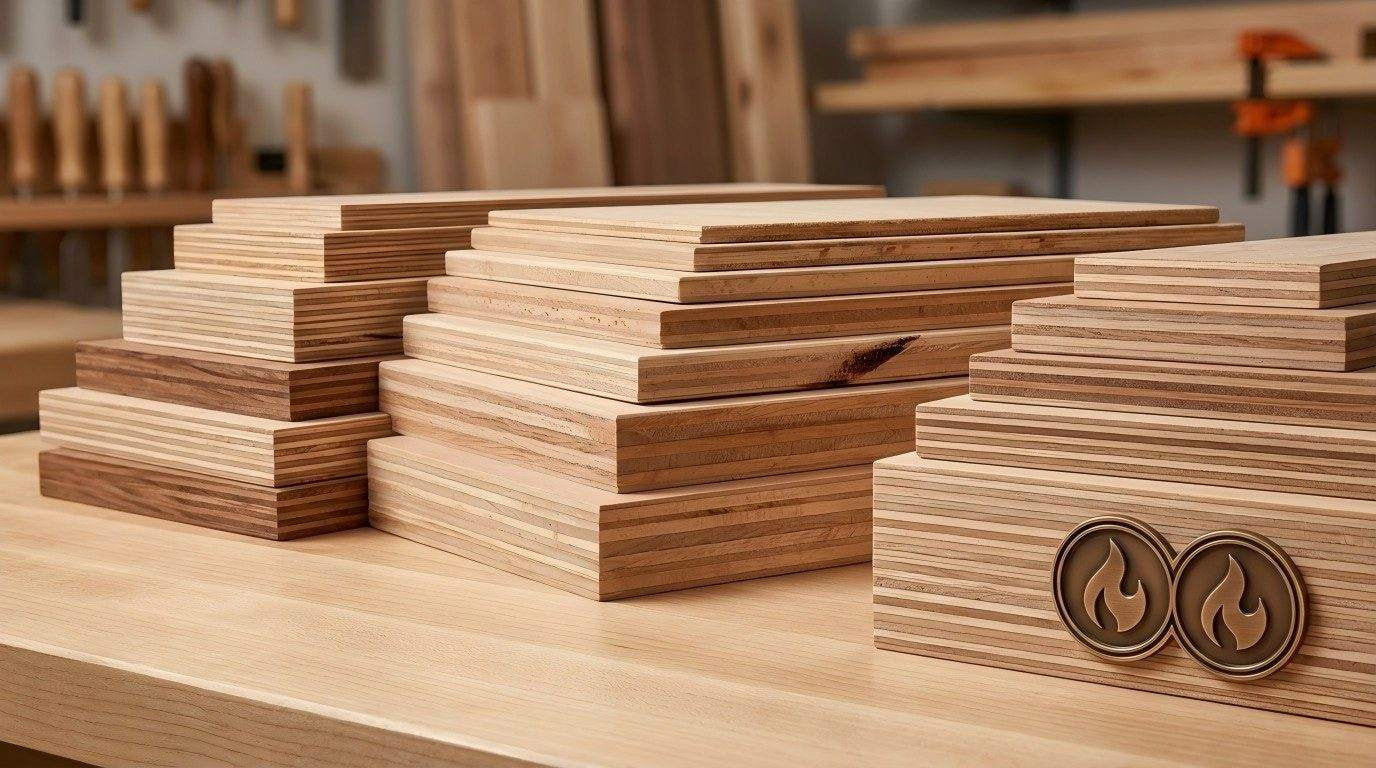
Comprehensive quality control for Fireproof Boards encompasses Pre-Production Inspection, During Production Inspection, Pre-Shipment Inspection, and Container Loading Supervision. Implementing these four QC stages guarantees that raw materials, dimensional tolerances, and packaging meet strict safety and structural standards before leaving the factory.
The Four Pillars of Manufacturing Quality Control
To mitigate the risks of receiving defective or non-compliant construction materials, wholesalers must mandate a multi-tiered inspection protocol. Each phase serves a specific preventative purpose in the manufacturing lifecycle of fire-rated paneling.
Based on our internal data and market analysis, here is the breakdown:
| QC Stage | Focus Area | Goal |
|---|---|---|
| Pre-Production (PPI) | Raw material purity, machinery calibration | Prevent foundational structural defects |
| During Production (DUPRO) | Thickness, density, curing times | Catch and correct errors before mass production |
| Pre-Shipment (PSI) | Fire-rating tests, visual checks, labeling | Verify final product compliance and safety |
| Container Loading (CLS) | Pallet security, moisture barriers, dunnage | Prevent transit damage and moisture ingress |
FireSafe Pro Tip: Pay special attention to the curing process during DUPRO. Improperly cured boards can warp or suffer from “sweating” (chloride leaching) during humid ocean transit.
What are the 7 steps of the supplier selection process?
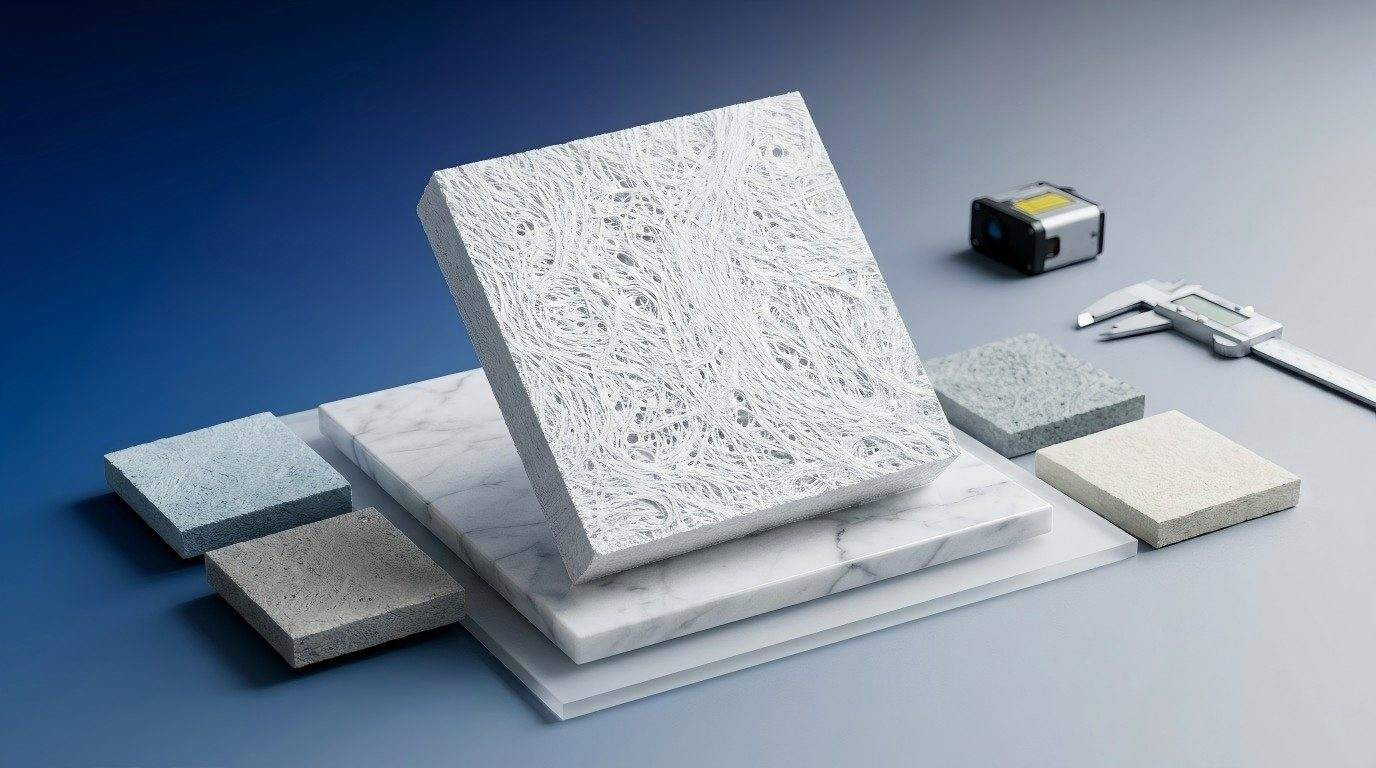
The supplier selection process involves market research, initial outreach, requesting samples, facility auditing, trial ordering, contract negotiation, and continuous performance review. Following these seven steps allows wholesalers to systematically filter out subpar manufacturers and build highly profitable, reliable supply chains.
Systematic Procurement Methodology
Establishing a dependable pipeline for a critical safety product like a Fireproof Board requires a methodical approach to procurement. Skipping steps to save time can lead to severe legal and financial repercussions down the line.
- Market Mapping: Identify top manufacturing hubs known for high-quality mineral deposits and advanced production lines.
- RFI (Request for Information): Gather product catalogs, compliance certificates, and detailed company profiles.
- Sample Evaluation: Rigorously test physical samples for density, screw-holding strength, and fire resistance.
- Factory Audit: Conduct comprehensive third-party or in-person inspections of the manufacturing floor and QC labs.
- Trial Order: Place a small pilot order (e.g., one 20ft container) to assess logistics, packaging, and real-world quality.
- SLA Negotiation: Finalize wholesale pricing, lead times, defect tolerances, and warranty terms.
- Ongoing KPI Monitoring: Track defect rates, communication speed, and delivery punctuality over multiple orders.
FireSafe Pro Tip: Never base your final decision solely on the initial “golden sample.” The true test of a supplier is the consistency between that sample and the first trial container.
Key Features & Comparison
Modern Fireproof Boards are characterized by their non-combustibility, moisture resistance, acoustic insulation, and high tensile strength. Comparing different board compositions helps wholesalers stock the correct inventory for specific architectural applications, ultimately balancing unit cost with mandatory performance and safety metrics.
Material Performance Matrix
Selecting the right inventory means understanding how different boards perform under stress. While all offer baseline fire resistance, their secondary characteristics—like moisture tolerance and impact strength—dictate their ideal architectural use cases.
Based on our internal data and market analysis, here is the breakdown:
| Board Type | Fire Rating | 耐湿性 | Best Application | Relative Cost |
|---|---|---|---|---|
| Magnesium Oxide (MgO) | Up to 4 Hours | 素晴らしい | Exterior sheathing, wet areas, subfloors | Premium |
| ケイ酸カルシウム | Up to 2 Hours | 高い | Industrial insulation, suspended ceilings | 中程度 |
| Fiber Cement | 1-2 Hours | グッド | Siding, heavy-duty commercial flooring | 中程度 |
| Type X Gypsum | 45-60 Mins | Low | Interior dry areas, basic partitions | Low |
FireSafe Pro Tip: For high-humidity environments or coastal construction projects, strongly recommend MgO or Calcium Silicate over standard Type X Gypsum to prevent mold and structural degradation.
Cost & Buying Factors
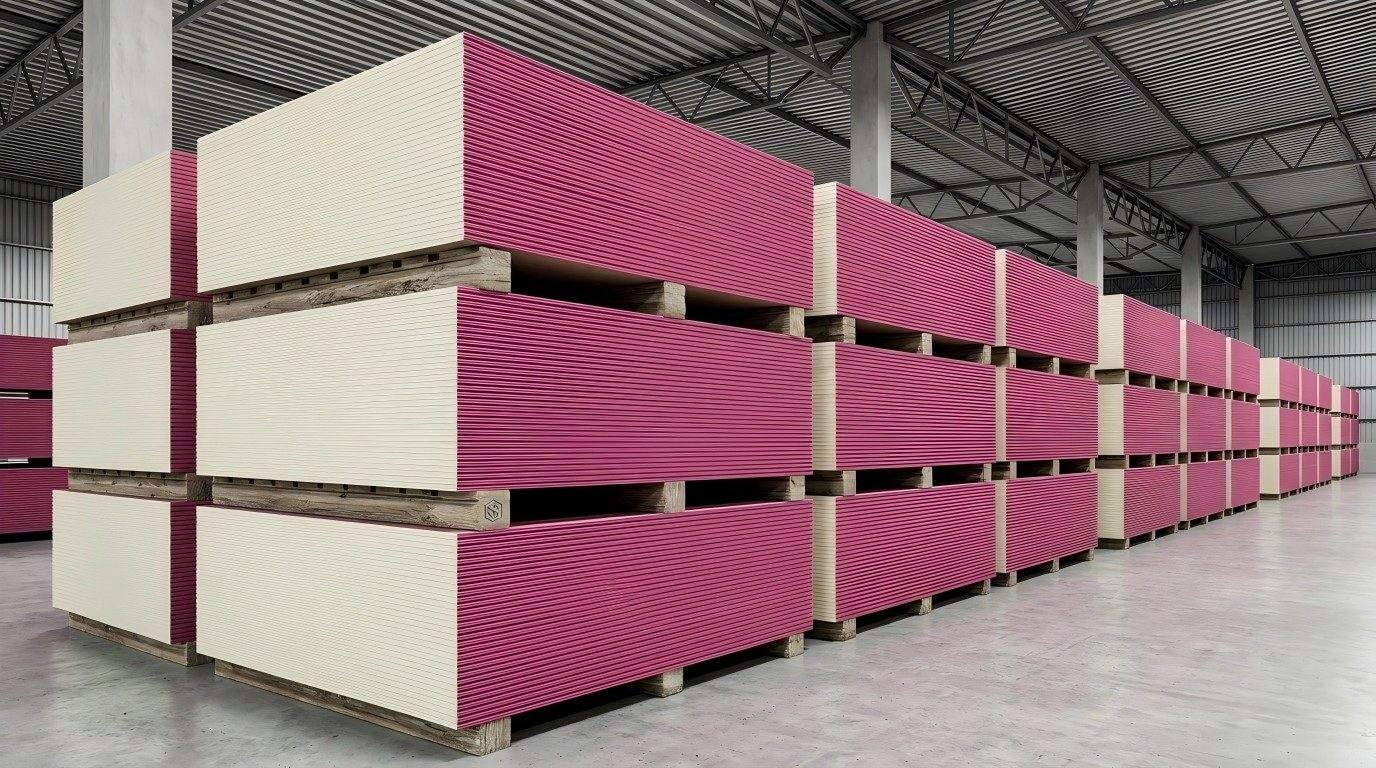
The total landed cost of a Fireproof Board order is influenced by raw material market rates, board thickness, required certifications, and shipping logistics. Wholesalers must calculate these variables accurately to maintain healthy profit margins while offering competitive pricing to local contractors.
Pricing and Procurement Variables
Navigating the financial aspects of bulk sourcing requires a deep understanding of hidden costs. It is crucial to look beyond the factory-direct FOB (Free On Board) price and calculate the true, fully landed cost of your inventory acquisition.
- Thickness and Density: Thicker boards (12mm-20mm) require more raw material, longer curing times, and cost significantly more than standard 9mm interior boards.
- Testing and Certification Fees: Products verified by international bodies like UL or Intertek command a premium but are vastly easier to sell to strict contractors.
- Packaging Costs: Reinforced solid wooden pallets and specialized moisture-barrier wrapping add to the unit cost but are essential to prevent transit damage.
- Freight and Tariffs: Heavy building materials incur high shipping costs; you must optimize container space and weight limits to lower the per-board freight rate.
FireSafe Pro Tip: Always specify “fumigated solid wood pallets with heavy-duty edge protectors” in your purchase order. Broken corners during shipping are the leading cause of unsellable inventory.
結論
Mastering quality control and supplier vetting is absolutely non-negotiable when sourcing bulk Fireproof Boards. By implementing stringent inspection protocols and understanding exact material specifications, wholesalers can confidently supply safe, compliant, and highly profitable construction materials to their respective demanding markets.
Securing Your Supply Chain
The demand for robust passive fire protection materials continues to grow globally as building codes become stricter. By prioritizing quality assurance over the lowest possible price, you protect your brand reputation and ensure long-term business growth.
- Commit to Compliance: Never compromise on verifiable fire-rating certifications.
- Enforce Strict QC: Utilize third-party inspectors for pre-shipment verification on every order.
- Build Partnerships: Treat reliable factories as long-term strategic partners, not just disposable vendors.
FireSafe Pro Tip: Partner with the FireSafe team to streamline your procurement process. We guarantee rigorous batch-testing and international compliance on every single bulk order.