
Os painéis estruturais resistentes ao fogo são concebidos para suportar cargas significativas do edifício, ao mesmo tempo que proporcionam uma resistência essencial ao fogo, tornando-os ideais para paredes estruturais e pavimentos. Em contrapartida, os painéis resistentes ao fogo não estruturais não suportam cargas pesadas e são utilizados exclusivamente em divisórias interiores, tectos e revestimentos exteriores, onde não é necessária capacidade de suporte de carga.
O que é um painel estrutural resistente ao fogo?
Um painel estrutural resistente ao fogo é um material de construção especializado, concebido para suportar o peso físico de um edifício comercial, oferecendo simultaneamente elevados níveis de proteção contra incêndios. Estes painéis robustos combinam a integridade estrutural com uma elevada resistência ao fogo, garantindo que a estrutura do edifício se mantenha de pé e estável durante um incêndio catastrófico.

Material do núcleo: Normalmente fabricado a partir de óxido de magnésio (MgO), compósitos cimentícios de alta resistência ou painéis estruturais de madeira tratados contra o fogo com núcleos especializados não combustíveis.
Capacidade de carga: Concebido para suportar cargas axiais verticais e horizontais significativas, atuando como elemento estrutural principal na construção comercial.
Aplicações comuns: Utilizado amplamente em paredes exteriores portantes, sistemas de pavimentos estruturais, poços de elevador e tabuleiros de telhado, onde tanto a segurança contra incêndios como a capacidade de suporte de peso são obrigatórias.
[Inserir vídeo sobre painéis estruturais resistentes ao fogo]
O que é um painel resistente ao fogo não estrutural?
Um painel não estrutural resistente ao fogo destina-se exclusivamente a compartimentar os incêndios e a impedir a propagação das chamas, sem suportar qualquer carga estrutural do edifício. Estes painéis leves são essenciais para criar um ambiente seguro vias de evacuação e proteger os espaços interiores onde o suporte de cargas pesadas já é assegurado pela estrutura principal do edifício, em aço ou madeira.
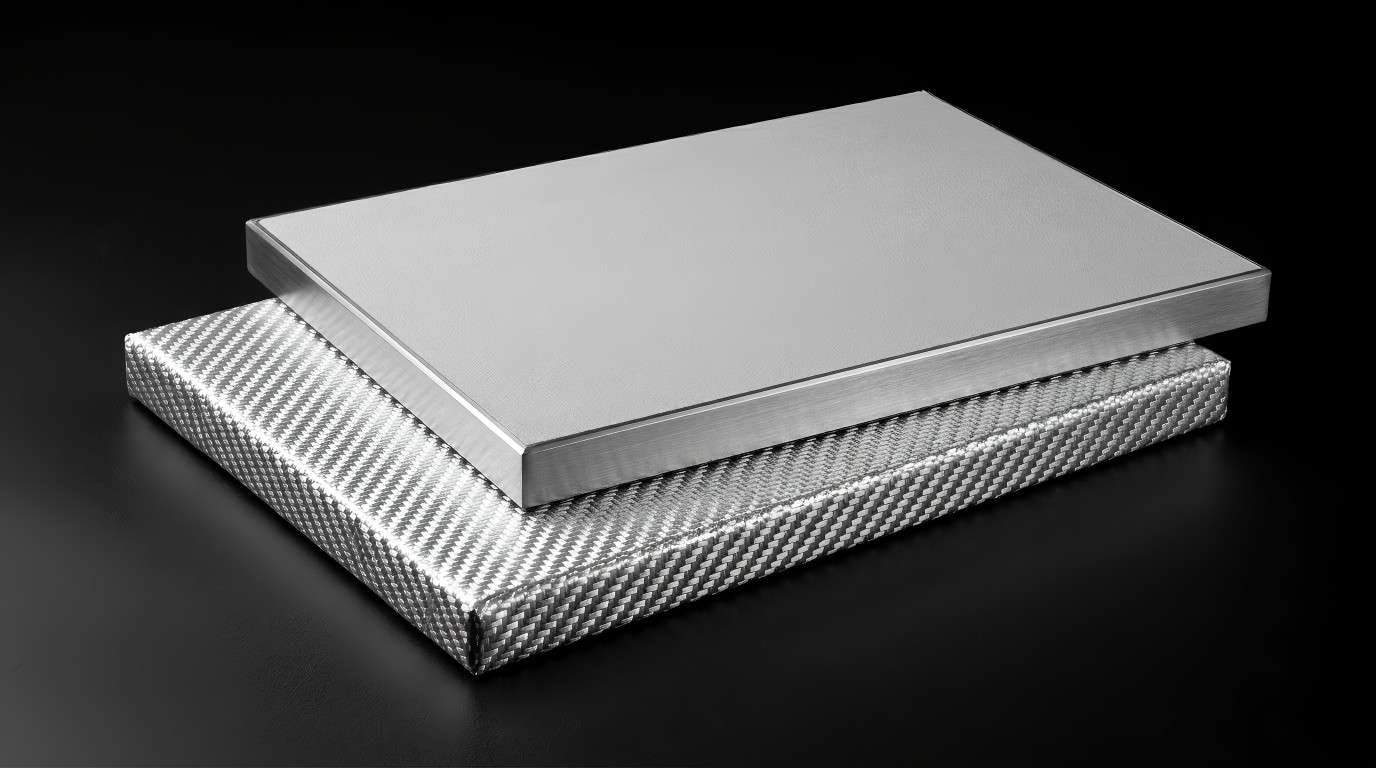
Material do núcleo: Frequentemente fabricado a partir de Gesso do tipo X ou do tipo C, leve lã mineral, ou pastas para placas de gesso-cartão com classificação de resistência ao fogo padrão.
Capacidade de carga: Não possui qualquer capacidade de suporte de carga e depende inteiramente de uma estrutura externa (como montantes de aço) para obter apoio físico e rigidez.
Aplicações comuns: Instalado principalmente em paredes divisórias interiores, tectos falsos, barreiras de corredores e revestimentos decorativos exteriores.
[Inserir vídeo sobre painéis não estruturais resistentes ao fogo]
Principais diferenças: painéis resistentes ao fogo estruturais vs. não estruturais
Na escolha de um painel resistente ao fogo para a construção comercial, a diferença reside na capacidade de engenharia, na composição do material e no local de instalação.
| Caraterística | Painel estrutural resistente ao fogo | Painel não estrutural resistente ao fogo |
|---|---|---|
| Capacidade de carga | Suporta as cargas principais do edifício | Não suporta cargas de construção |
| Materiais | Óxido de magnésio, placas cimentícias | Gesso Tipo X, lã mineral |
| Instalação | Substitui o revestimento estrutural tradicional | Aplicado sobre a estrutura existente |
| Custo | Custo inicial mais elevado dos materiais | Custo mais baixo dos materiais |
Dica do ClearFilter Pro: Quando projetamos espaços comerciais, os nossos engenheiros recomendam sempre que se verifiquem os códigos de construção locais logo na fase inicial de planeamento. A substituição de um painel não estrutural com classificação de resistência ao fogo numa zona portante constitui uma violação grave das normas de segurança que levará imediatamente à reprovação na inspeção e comprometerá toda a estrutura.
Comparação de prós e contras
| Caraterística | Painel estrutural resistente ao fogo | Painel não estrutural resistente ao fogo |
|---|---|---|
| Vantagens | Elimina a necessidade de um revestimento estrutural separado | Muito económico e fácil de adquirir localmente |
| Desvantagens | É mais pesado, mais difícil de cortar e requer mais trabalho para instalar | Requer uma estrutura de suporte separada para se manter na vertical |
| Flexibilidade | Rígido e altamente resistente; menos adaptável a designs curvos | Fácil de cortar, moldar, fixar com fita adesiva e dar acabamento no local |
| Classificação de fogo | Até 2 a 4 horas (dependendo do Conjunto UL) | Até 1 a 3 horas (dependendo da montagem UL) |
Conclusão
A escolha do painel resistente ao fogo adequado depende, em última análise, dos requisitos específicos de engenharia e segurança do seu projeto de construção comercial. Se precisar de um material capaz de suportar o peso do edifício e, ao mesmo tempo, resistir às chamas, os painéis estruturais são a sua única opção viável. No entanto, para paredes corta-fogo interiores, poços de evacuação e divisórias padrão de divisões, os painéis não estruturais oferecem uma solução leve, altamente económica e em conformidade com os códigos de construção.
FAQ
1. Posso utilizar um painel resistente ao fogo não estrutural numa parede exterior? Sim, mas apenas como revestimento exterior ou camada de acabamento sobre uma estrutura principal que já suporta a carga do edifício.
2. Os painéis estruturais resistentes ao fogo são impermeáveis? Muitas opções estruturais, como as placas de óxido de magnésio, oferecem uma excelente resistência à humidade, mas, normalmente, continuam a exigir um barreira resistente às intempéries (WRB) para uma impermeabilização exterior completa.
3. Como posso saber qual é o painel resistente ao fogo de que o meu projeto necessita? Consulte o engenheiro estrutural e o arquiteto do seu projeto; eles irão determinar os requisitos de carga e especificar os conjuntos exatos com certificação UL necessários para cumprir os códigos locais de segurança contra incêndios em edifícios comerciais.