دليل المقاول لعلامات الألواح المقاومة للحريق: كيفية التحقق من الشهادة في الموقع
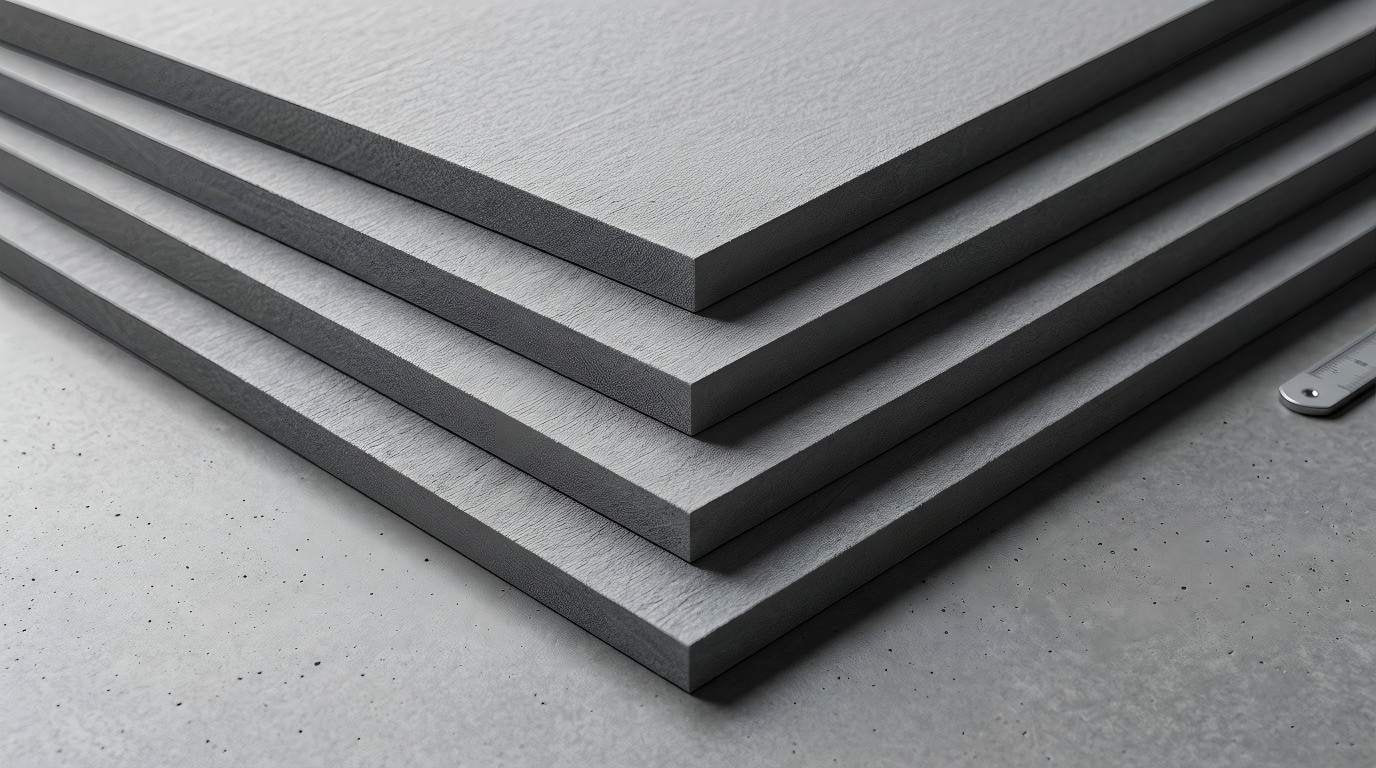
يعتمد ضمان سلامة الأرواح والامتثال لقوانين البناء في مواقع الإنشاءات على التحقق السليم من المواد. وبالنسبة للمقاولين، يُعد فهم كيفية قراءة علامات الألواح المقاومة للحريق والتحقق منها مهارة أساسية تمنع إعادة العمل المكلفة وفشل عمليات التفتيش. يشرح هذا الدليل بالتفصيل أختام الاعتماد الأساسية ومعايير الاختبار والمؤشرات البصرية اللازمة للتأكد من […]
الألواح المقاومة للحريق مقابل الحوائط الجافة القياسية: تحليل مقارن لحدود القدرة على التحمل ضد الحريق
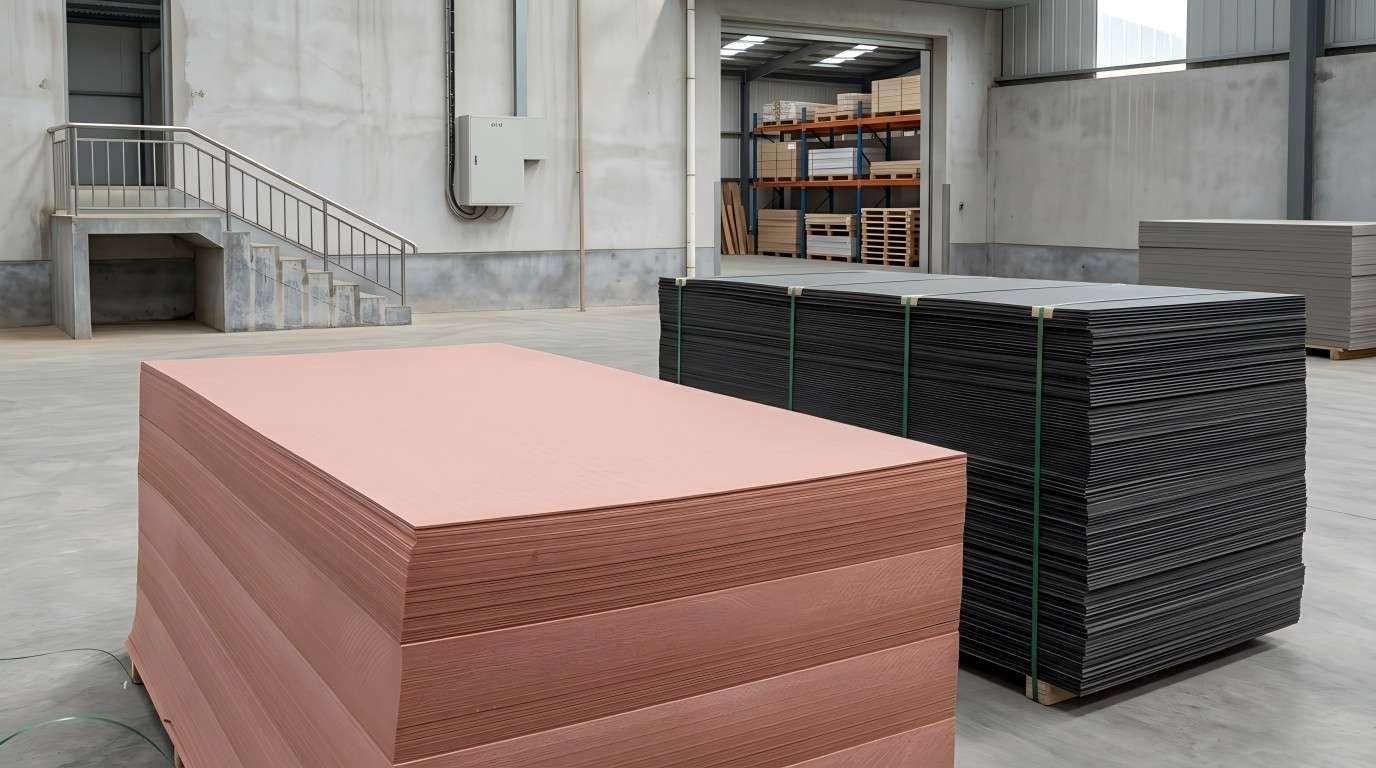
عند مقارنة الألواح المقاومة للحريق بالجدران الجافة العادية، يكمن الاختلاف الأساسي في حدود تحملها للحريق وتركيبها الداخلي. تحتوي الألواح المقاومة للحريق على ألياف زجاجية ومواد غير قابلة للاحتراق، مما يوفر مقاومة للحريق تصل إلى ساعتين. في المقابل، توفر الجدران الجافة العادية حماية ضئيلة من الحريق، حيث عادةً ما تحترق بالكامل في أقل من ثلاثين دقيقة. ما هي الألواح المقاومة للحريق […]
الألواح الهيكلية مقابل الألواح غير الهيكلية المقاومة للحريق: مكان تطبيق كل نوع في الإنشاءات التجارية
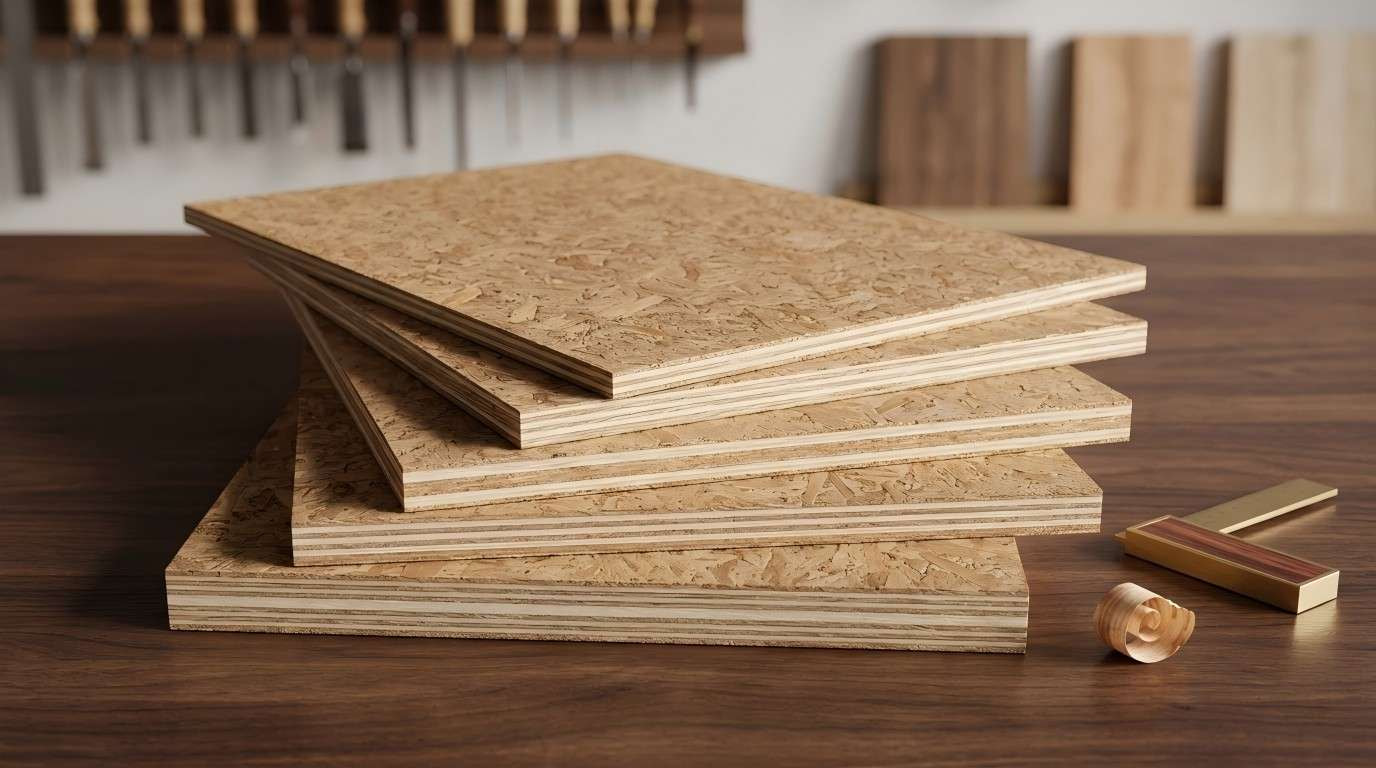
صُممت الألواح الهيكلية المقاومة للحريق لتحمل أحمالًا كبيرة في المباني مع توفير مقاومة أساسية للحريق، مما يجعلها مثالية للجدران والأرضيات الحاملة. في المقابل، لا تستطيع الألواح غير الهيكلية المقاومة للحريق تحمل الأحمال الثقيلة، وتُستخدم حصريًّا في الحواجز الداخلية والأسقف والكسوة الخارجية حيث لا تتطلب القدرة على تحمل الأحمال. ما هي الألواح الهيكلية المقاومة للحريق؟ […]
كيف يتم اختبار الألواح المقاومة للحريق؟ شرح معيار ASTM E84 ومعايير شهادة الفئة A
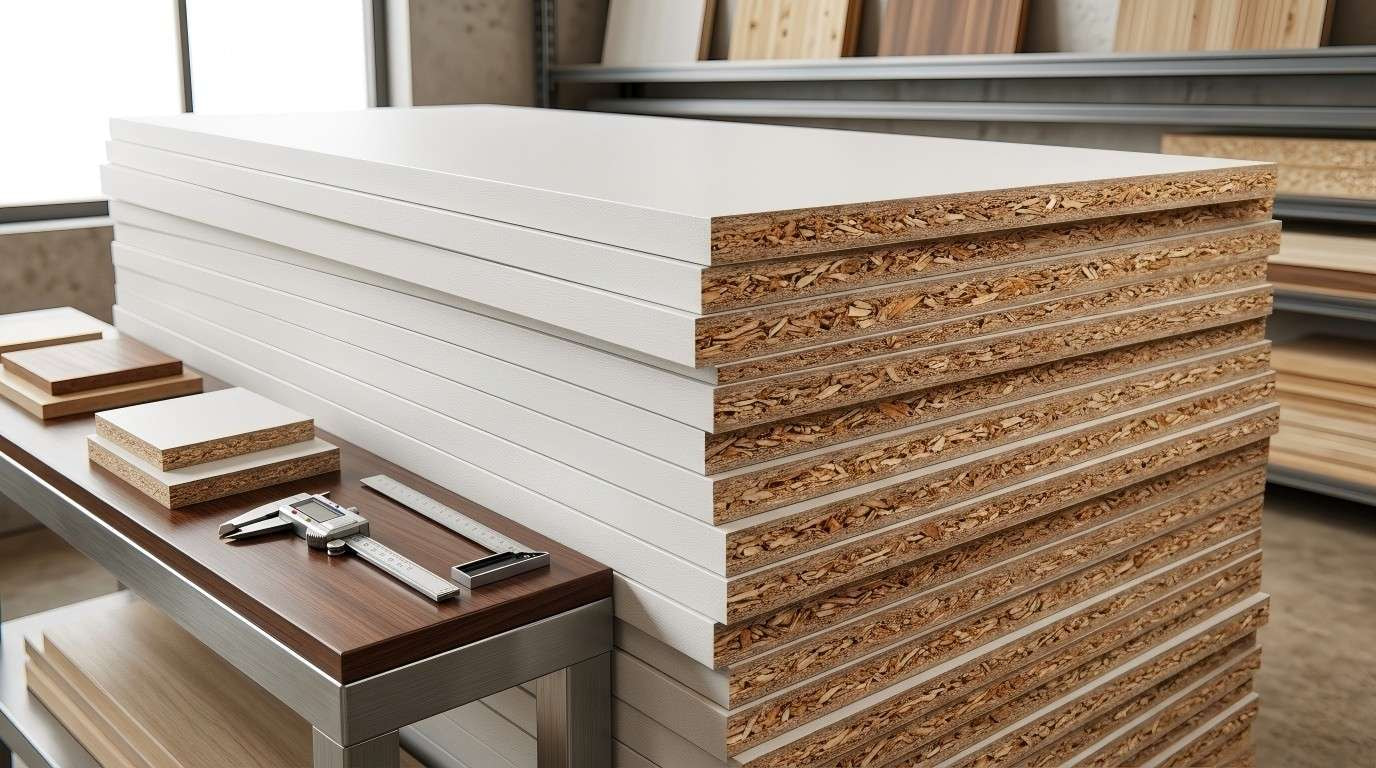
يعد فهم كيفية تفاعل مواد البناء مع الحريق أمرًا بالغ الأهمية لسلامة الهياكل والامتثال للوائح التنظيمية. تخضع الألواح المقاومة للحريق لاختبارات معملية صارمة لتحديد خصائص قابليتها للاحتراق، وتوليد الدخان، وانتشار اللهب. ومن خلال فهم معايير مثل ASTM E84 وشهادات الفئة A، يمكن للمهندسين المعماريين والمقاولين اتخاذ قرارات مستنيرة لضمان سلامة الأرواح وحماية الممتلكات […]