Upgrading older buildings to meet modern fire safety standards presents a unique set of challenges, from preserving historical architecture to dealing with outdated structural materials. Integrating a high-quality fire-rated board is one of the most effective, non-invasive retrofitting strategies available today. These specialized materials seamlessly enhance compartmentalization and structural protection, ensuring heritage and legacy structures achieve strict compliance without compromising their original design integrity.
Video Guide: Discover how life safety and fire protection strategies are successfully implemented in historic preservation projects.
What is Fire-rated Board?
A fire-rated board is a specialized construction material engineered to resist high temperatures and prevent the spread of flames, smoke, and toxic gases. Composed of non-combustible materials like calcium silicate oder magnesium oxide, it acts as a critical passiver Brandschutz barrier in older buildings undergoing safety retrofits.
Video Guide: Watch real-world examples of how fire-rated assemblies are constructed using specialized boards to meet strict building codes.
Material Composition and Structural Integrity
Fire-rated boards are formulated to maintain their structural integrity even under extreme thermal stress. Unlike standard drywall, which can crumble when exposed to direct flames, these boards are manufactured using advanced mineral matrix technologies. In retrofitting applications, they are typically installed over existing walls, ceilings, and structural columns to create a robust fire barrier.
Common types of fire-rated boards include:
- Calcium Silicate Boards: Extremely durable and moisture-resistant, making them ideal for basements or semi-exposed historic structures.
- Magnesium Oxide (MgO) Boards: Highly fire-resistant and eco-friendly, offering excellent acoustic and thermal insulation.
- Type X Gypsum Boards: Fortified with glass fibers to delay core deterioration, typically used for budget-conscious interior retrofits.
FireSafe Pro Tip: When retrofitting older timber-framed buildings, always opt for calcium silicate-based fire-rated boards, as they offer superior moisture resistance alongside exceptional thermal protection.
How Does Fire-rated Board Work?
Fire-rated boards work through endothermic reactions and physical compartmentalization. When exposed to extreme heat, the core materials release chemically bound water as steam, absorbing thermal energy and keeping the unexposed side cool. This mechanism contains the fire within a specific zone, allowing occupants safe evacuation time.
Video Guide: Explore how 1 and 2-hour rated fire walls function to block heat transfer and flame spread.
The Mechanics of Thermal Resistance
The primary function of a fire-rated board in a retrofitted building is to delay the spread of fire, a concept known as compartmentalization. By dividing a building into manageable fire zones, the board restricts the movement of both heat and toxic smoke.
The working mechanism follows a distinct, multi-phase process:
- Thermal Shock Resistance: As flames hit the board, the non-combustible surface reflects initial radiant heat, preventing immediate ignition of underlying historical frameworks.
- Endothermic Cooling: Chemical compounds within the board (such as gypsum hydrates) vaporize. This phase consumes massive amounts of thermal energy, actively cooling the surrounding assembly.
- Char Formation and Barrier Integrity: Once the moisture is depleted, the mineral structure calcifies rather than collapsing, maintaining a solid physical barrier against flame penetration for up to 4 hours, depending on the board’s rating.
FireSafe Pro Tip: Ensure all joints and penetrations in the board assembly are sealed with intumescent acoustic sealants; the board only works if the entire system is airtight against smoke.
What are the benefits of Fire-rated Board?
Using a fire-rated board in retrofitting projects offers unparalleled benefits, including immediate compliance with modern building codes, enhanced structural survivability, and minimal disruption to existing architecture. They provide superior acoustic insulation, moisture resistance, and a lightweight profile that avoids overloading aging foundations.
Video Guide: Learn about the specific challenges and benefits of applying modern retrofitting techniques to historic buildings.
Advantages for Heritage and Aging Structures
Retrofitting older buildings requires a delicate balance between modernization and preservation. Fire-rated boards deliver a versatile solution that addresses both structural vulnerabilities and strict municipal safety mandates.
Key benefits for retrofit projects include:
- Space Optimization: Advanced boards offer high fire ratings (e.g., 2 hours) at a fraction of the thickness of traditional masonry, preserving valuable interior floor space.
- Non-Invasive Installation: They can be directly applied over existing plaster, lath, or timber frames without requiring extensive demolition.
- Multi-Hazard Protection: Beyond fire, premium boards resist mold, mildew, and impact damage, extending the overall lifespan of the retrofitted structure.
- Aesthetic Flexibility: Once installed, they can be plastered, painted, or finished to perfectly mimic historical textures and architectural details.
FireSafe Pro Tip: Leverage the slim profile of our premium fire-rated boards to maximize usable floor space in historic corridors where widening the walls isn’t an option.
How to maintain a Fire-rated Board?
Maintaining a fire-rated board involves routine visual inspections for physical damage, ensuring joint sealants remain intact, and preventing prolonged exposure to standing water. Because these boards are highly durable, maintenance is minimal, primarily requiring immediate patching of any accidental punctures using approved fire-stopping compounds.
Video Guide: See how ongoing fire safety strategies and retrofitting maintenance ensure long-term structural integrity.
Annual Inspection and Upkeep Protocols
While fire-rated boards are engineered for longevity, the overall passive fire protection system requires periodic oversight to ensure continuous compliance. Older buildings are prone to settling and shifting, which can occasionally compromise rigid fire barriers.
Follow these maintenance protocols:
- Visual Surface Checks: Annually inspect the boards for deep gouges, cracks, or signs of structural shifting, particularly near door frames and load-bearing columns.
- Sealant Verification: Check the intumescent caulking at the board joints and ceiling intersections. Reapply approved fire-rated sealants if any cracking or shrinking is detected.
- Penetration Management: Whenever new electrical wiring, plumbing, or HVAC ducts are routed through the boards, ensure the gaps are immediately sealed with fire-stopping collars or putty.
- Moisture Control: Address any roof or plumbing leaks promptly. While many boards are moisture-resistant, prolonged saturation can degrade the supporting framework behind the board.
FireSafe Pro Tip: Schedule a comprehensive inspection of your passive fire protection systems every 12 months, paying special attention to areas around newly installed electrical conduits or plumbing penetrations.
What is the price of Fire-rated Board?
The price of a fire-rated board typically ranges from $20 to $60 per panel, depending on the thickness, fire rating, and core material. High-performance magnesium oxide or calcium silicate boards sit at the higher end, while standard fire-rated gypsum is more economical.
Video Guide: Understand performance-based fire design economics and how material choices impact overall project costs.
Cost Breakdown by Material Type
Budgeting for a retrofitting project requires understanding that the upfront cost of the board is just one component of the total investment. Prices fluctuate based on the specific safety codes your older building must meet.
Factors influencing the final cost include:
- Fire Rating Requirement: A 2-hour rated board will cost significantly more than a 30-minute rated board due to increased density and thickness.
- Material Composition: Standard Type X gypsum is highly affordable, whereas specialized calcium silicate boards command a premium for their durability and moisture resistance.
- Installation Labor: Lightweight boards reduce labor hours and structural reinforcement costs, often offsetting a higher initial material price.
FireSafe Pro Tip: Don’t just calculate the cost per board; factor in the labor savings. Lightweight boards often require fewer structural reinforcements, significantly lowering total installation costs in retrofit projects.
Key Features & Comparison
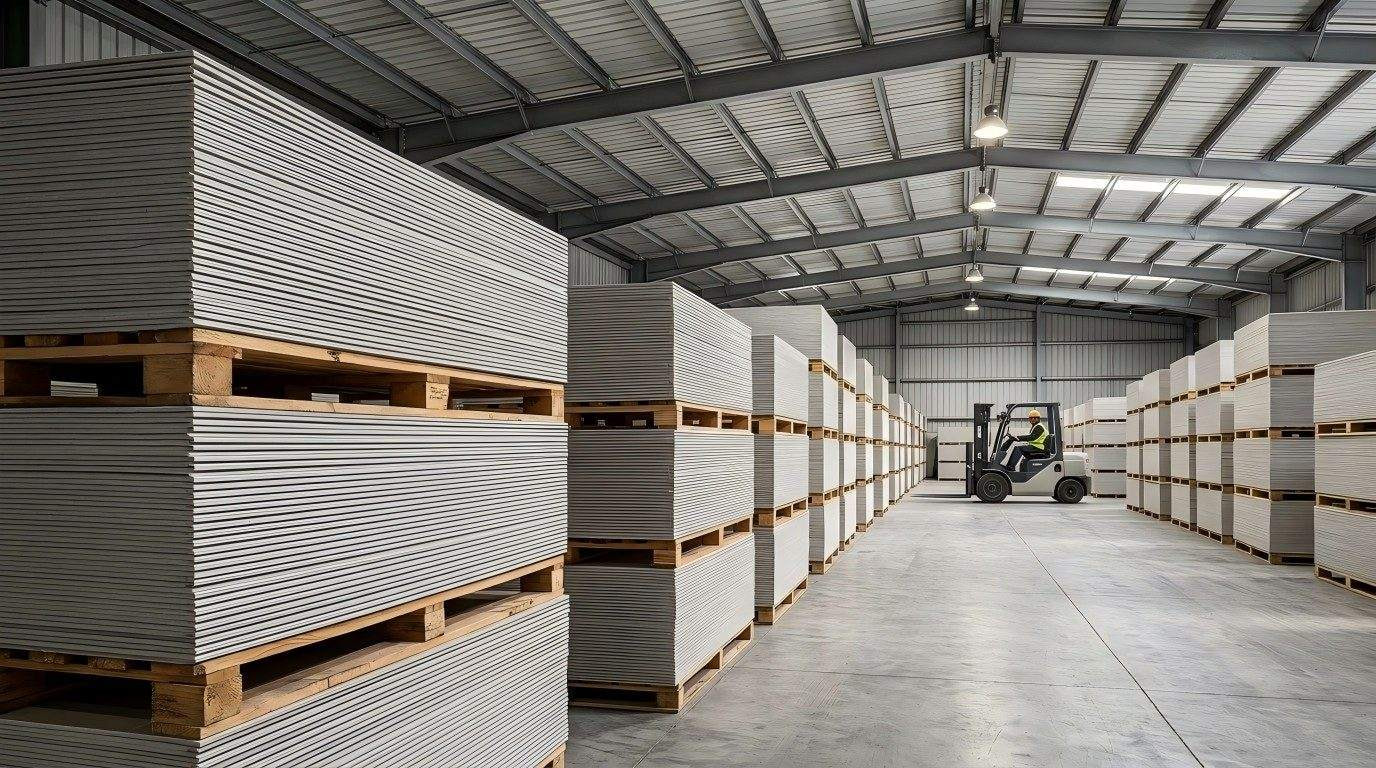
When selecting a fire-rated board for retrofitting, understanding the distinct features of different materials is crucial for achieving optimal safety and longevity in aging structures.
Based on our internal data and market analysis, here is the breakdown:
| Board Type | Fire Rating Capability | Feuchtigkeitsresistenz | Impact Resistance | Ideal Retrofit Application |
|---|---|---|---|---|
| Type X Gypsum | 45 – 60 Minutes | Low | Low | Standard interior walls and ceilings. |
| Magnesium Oxide (MgO) | 1 – 2 Hours | Hoch | Hoch | High-traffic areas, structural cladding. |
| Kalziumsilikat | 1 – 4 Hours | Very High | Hoch | Basements, heritage timber protection, damp areas. |
| Cementitious Board | 1 – 2 Hours | Hoch | Very High | Exterior facades, heavy load-bearing zones. |
Cost & Buying Factors
When procuring fire-rated boards for a retrofit, building owners and contractors must look beyond the base price. Ensure the chosen boards possess the necessary UL (Underwriters Laboratories) or ASTM certifications required by local building codes. Additionally, consider the environmental conditions of the older building; if the structure suffers from poor ventilation or rising damp, investing in a slightly more expensive calcium silicate board will prevent costly mold remediation and board replacement in the future. Always factor in the cost of specialized fasteners and intumescent sealants, as these are mandatory for a compliant installation.
Schlussfolgerung
Retrofitting older buildings with a reliable fire-rated board is a critical step in bridging the gap between historical preservation and modern life safety standards. By understanding how these boards work, their unique benefits, and the specific materials available, property owners can make informed, cost-effective decisions that protect both occupants and architectural heritage. Whether you are upgrading a century-old timber frame or modernizing a mid-century masonry structure, implementing a robust passive fire protection strategy ensures your building remains safe, compliant, and resilient for decades to come. Ensure you consult with a certified fire safety engineer to select the exact board specifications required for your unique retrofitting project.