
Structural fire-rated panels are designed to bear significant building loads while providing essential fire resistance, making them ideal for load-bearing walls and floors. In contrast, non-structural fire-rated panels cannot support heavy loads and are exclusively used for interior partitions, ceilings, and exterior cladding where load-bearing capacity is not required.
What is a Structural Fire-Rated Panel?
A structural fire-rated panel is a specialized building material engineered to support the physical weight of a commercial building while simultaneously offering high levels of fire protection. These robust panels integrate load-bearing integrity with severe fire resistance, ensuring that a building’s framework remains standing and stable during a catastrophic fire event.
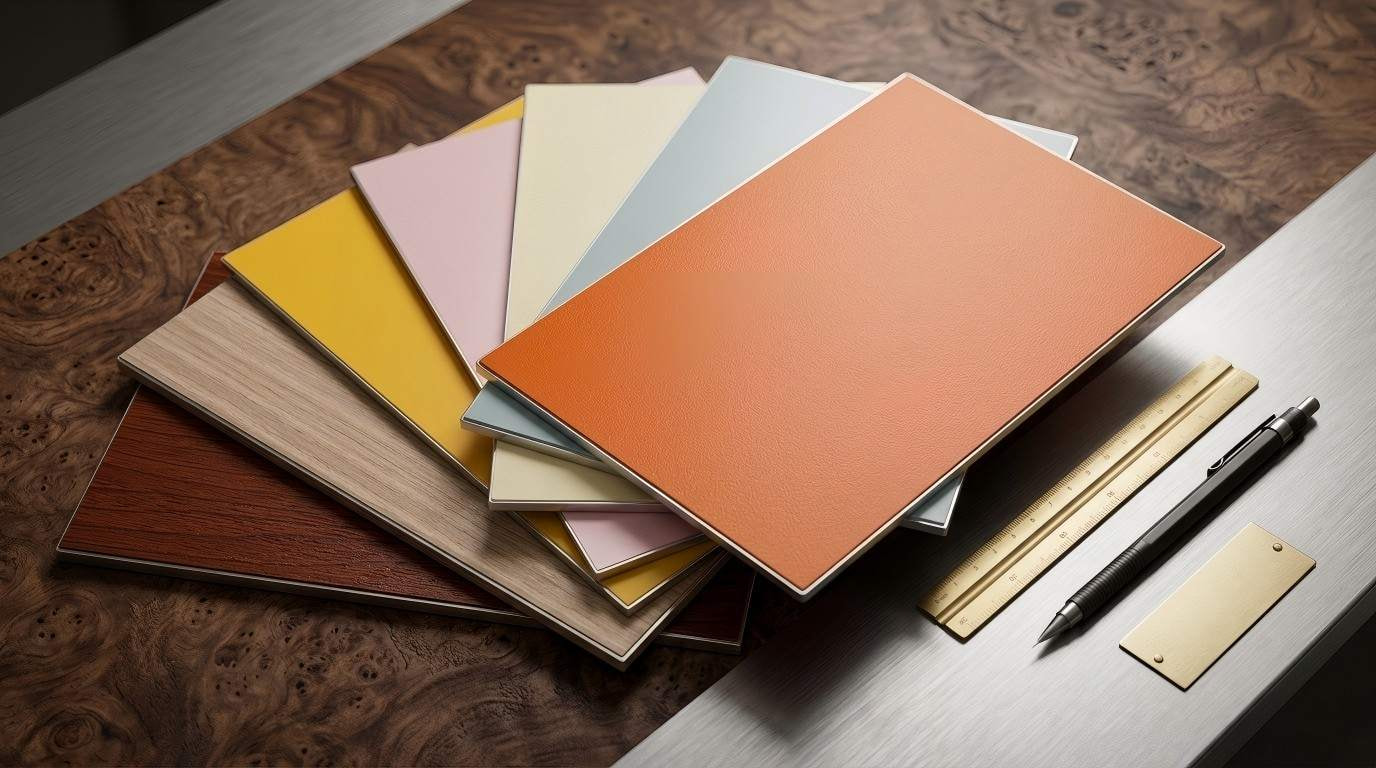
Core Material: Typically constructed from magnesium oxide (MgO), heavy-duty cementitious composites, or fire-treated structural wood panels with specialized non-combustible cores.
Load Capacity: Engineered to handle significant vertical and horizontal axial loads, acting as a primary structural element in commercial construction.
Common Applications: Used extensively in load-bearing exterior walls, structural flooring systems, elevator shafts, and roof decking where both fire safety and weight support are mandatory.
[Insert video on structural fire-rated panels]
What is a Non-Structural Fire-Rated Panel?
A non-structural fire-rated panel is designed strictly to compartmentalize fires and prevent the spread of flames without bearing any of the building’s structural load. These lightweight panels are critical for creating safe egress routes and protecting interior spaces where heavy load support is already managed by the primary steel or timber building frame.
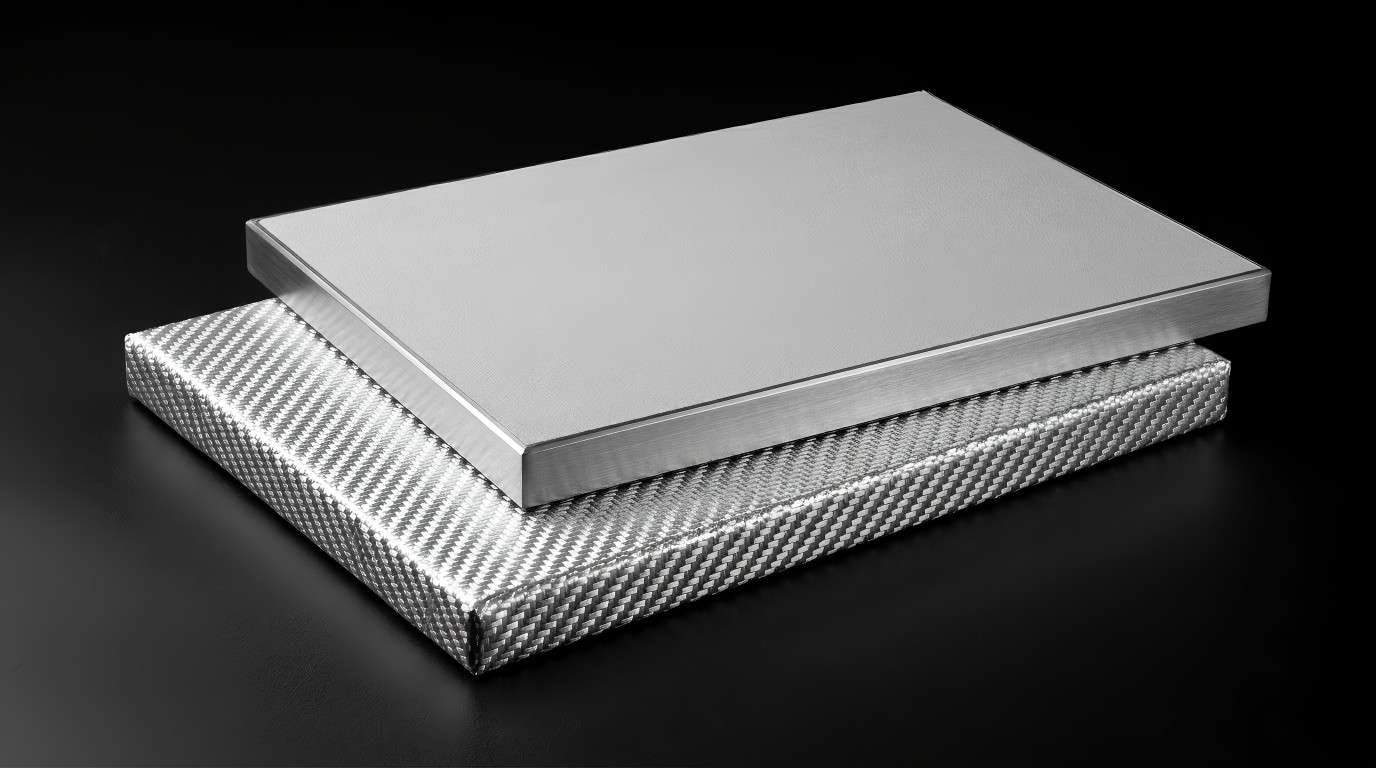
Core Material: Frequently made from Type X or Type C gypsum, lightweight Mineralwolle, or standard fire-rated drywall compounds.
Load Capacity: Possesses zero load-bearing capabilities and relies entirely on external framing (like steel studs) for physical support and rigidity.
Common Applications: Primarily installed in interior partition walls, drop ceilings, corridor barriers, and decorative exterior cladding.
[Insert video on non-structural fire-rated panels]
Key Differences: Structural vs. Non-Structural Fire-Rated Panels
When choosing a fire-rated panel for commercial construction, the distinction comes down to engineering capability, material composition, and installation location.
| Merkmal | Structural Fire-Rated Panel | Non-Structural Fire-Rated Panel |
|---|---|---|
| Load Capacity | Bears primary building loads | Cannot bear building loads |
| Materials | Magnesium oxide, cementitious boards | Type X Gypsum, mineral wool |
| Einrichtung | Replaces traditional structural sheathing | Applied over existing structural framing |
| Kosten | Higher initial material cost | Lower material cost |
ClearFilter Pro Tip: When we design commercial spaces, our engineers always recommend verifying local building codes early in the planning phase. Substituting a non-structural fire-rated panel in a load-bearing zone is a critical safety violation that will instantly fail inspection and compromise the entire structure.
Pros & Cons Comparison
| Merkmal | Structural Fire-Rated Panel | Non-Structural Fire-Rated Panel |
|---|---|---|
| Vorteile | Eliminates the need for separate structural sheathing | Highly cost-effective and easy to source locally |
| Benachteiligungen | Heavier, harder to cut, and requires more labor to install | Requires a separate structural frame to stay upright |
| Flexibility | Rigid and highly durable; less adaptable for curved designs | Easy to cut, shape, tape, and finish on-site |
| Fire Rating | Up to 2-4 hours (depending on the UL assembly) | Up to 1-3 hours (depending on the UL assembly) |
Schlussfolgerung
Choosing the right fire-rated panel ultimately comes down to the specific engineering and safety requirements of your commercial construction project. If you need a material to hold up the building’s weight while resisting flames, structural panels are your only viable option. However, for interior firewalls, egress shafts, and standard room partitions, non-structural panels provide a lightweight, highly cost-effective, and code-compliant solution.
FAQ
1. Can I use a non-structural fire-rated panel on an exterior wall? Yes, but only as an exterior cladding or finishing layer over a primary structural frame that is already handling the building’s load.
2. Are structural fire-rated panels waterproof? Many structural options, like magnesium oxide boards, offer excellent moisture resistance, but they typically still require a dedicated weather-resistant barrier (WRB) for full exterior waterproofing.
3. How do I know which fire-rated panel my project needs? Consult your project’s structural engineer and architect; they will determine load requirements and specify the exact UL-rated assemblies needed to meet local commercial fire codes.