
L'intégration de panneaux ignifuges haute performance dans la conception des bâtiments constitue une étape cruciale pour renforcer l'intégrité structurelle et garantir la fiabilité des systèmes de sécurité des personnes. Ces matériaux spécialisés sont conçus pour résister à des températures extrêmes, confiner les flammes et offrir un délai d'évacuation essentiel en cas d'urgence. En intégrant ces technologies de pointe protection passive contre l'incendie Grâce à ces solutions, les architectes et les gestionnaires d'installations peuvent respecter des normes de sécurité rigoureuses tout en assurant la protection des occupants et des biens de valeur.
Qu'est-ce que le feu ?
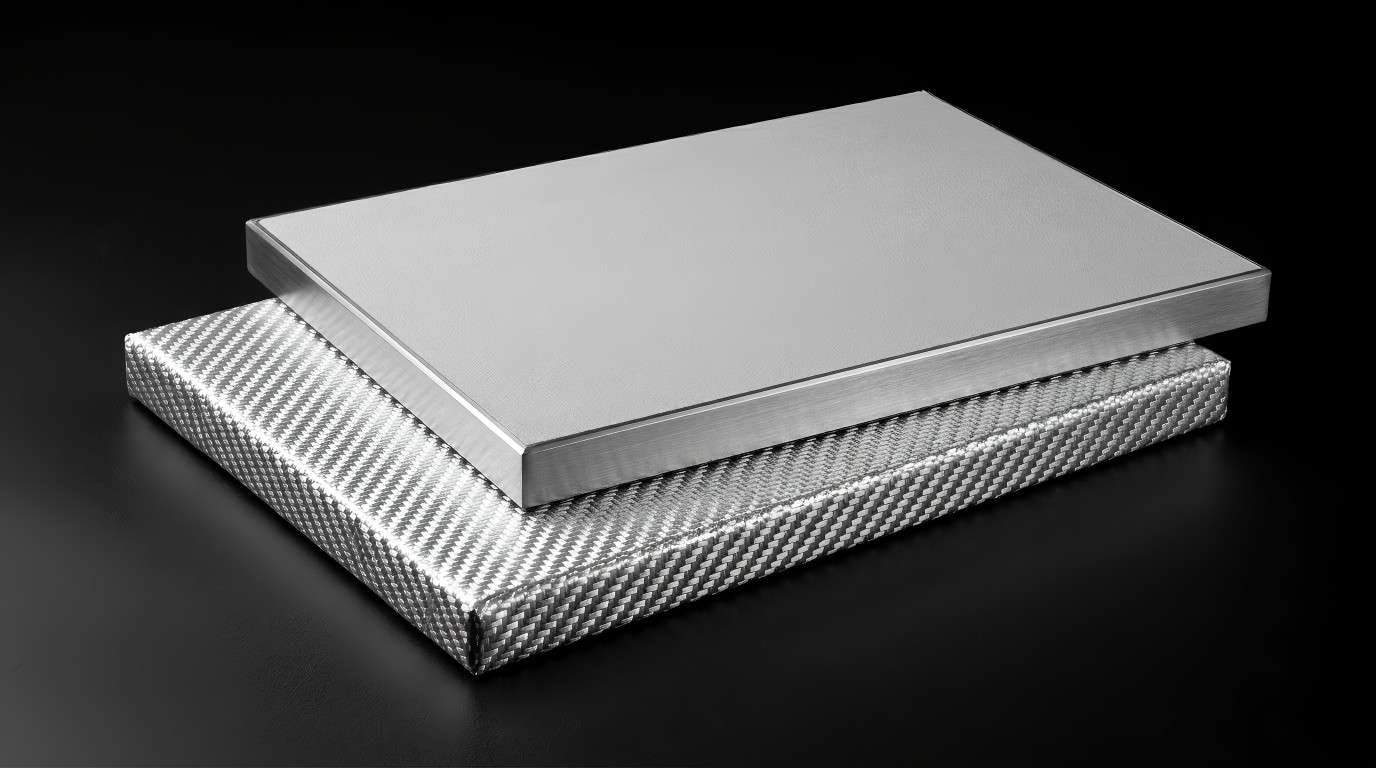
Le feu est une réaction chimique rapide appelée combustion, qui a besoin de combustible, de chaleur et d'oxygène pour se maintenir. En matière de sécurité des bâtiments, un incendie non maîtrisé menace la stabilité structurelle et la vie humaine, ce qui rend les propriétés de confinement des panneaux résistants au feu absolument indispensables à la conception architecturale moderne.
Le triangle du feu et la vulnérabilité structurelle
Pour protéger efficacement un bâtiment, il faut comprendre les facteurs fondamentaux qui favorisent la propagation d'un incendie. Les matériaux résistants au feu sont spécialement conçus pour neutraliser ces facteurs ou pour résister aux effets qui en découlent. choc thermique.
- Source de carburant : Matériaux combustibles présents dans un bâtiment. Les panneaux résistants au feu font office de barrières incombustibles qui ne contribuent pas à la charge combustible.
- Alimentation en oxygène : Les incendies ont besoin d'oxygène pour se propager. Une compartimentation adéquate limite la circulation de l'air vers la zone d'inflammation.
- Production de chaleur : Une énergie thermique intense affaiblit l'acier de construction et le bois. Des panneaux de protection isolent ces éléments porteurs.
Conseil FireSafe Pro : Veillez toujours à ce que les interstices ou les joints entre les panneaux coupe-feu soient colmatés avec intumescent des joints acoustiques destinés à empêcher la chaleur et la fumée de contourner la barrière.
Comment fonctionne le feu ?
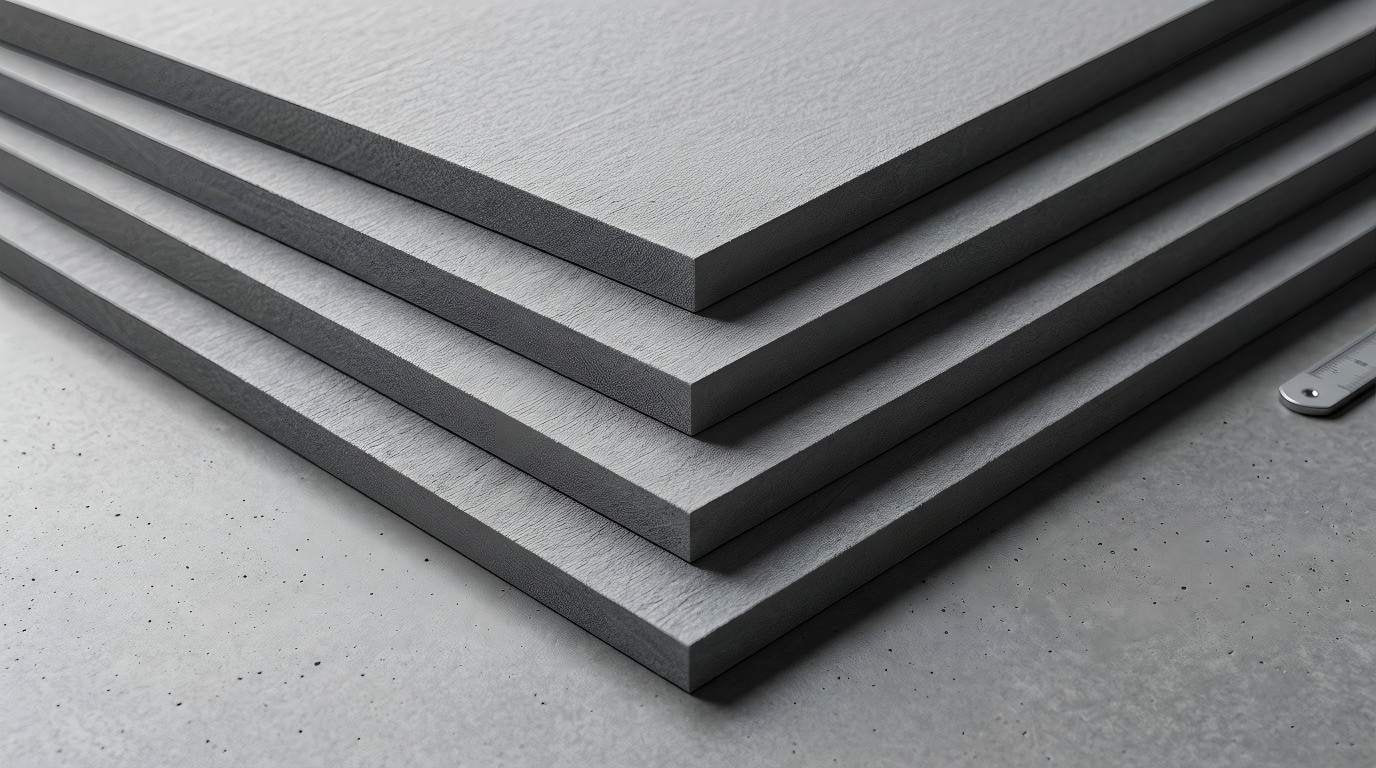
Le feu se propage à travers conduction, convection, ainsi que le rayonnement, qui se propage rapidement à travers les éléments structurels non protégés. Les panneaux résistants au feu agissent en absorbant l'énergie thermique, en libérant l'humidité liée chimiquement et en formant une couche de charbon rigide et isolante qui empêche activement les flammes et les températures extrêmes de pénétrer dans les compartiments adjacents du bâtiment.
Mécanismes de propagation et de maîtrise des incendies
Il est essentiel de comprendre les mécanismes de propagation du feu pour mettre en place une protection passive efficace contre l'incendie. Les panneaux résistants au feu sont soumis à des essais selon des courbes temps-température rigoureuses afin de garantir leur capacité à contrer ces mécanismes de propagation.
Sur la base de nos données internes et de l'analyse du marché, voici la répartition :
| Méthode de transfert thermique | Comportement du feu | Mesures de prévention des incendies pour les panneaux FireSafe |
|---|---|---|
| Conduction | La chaleur se propage à travers les matériaux de construction solides. | Les matériaux à faible conductivité thermique empêchent le transfert de chaleur vers les faces non exposées. |
| Convection | Les gaz surchauffés s'élèvent et se propagent dans les cavités. | La pose sans joint des panneaux empêche la propagation des gaz chauds et de la fumée. |
| Rayonnement | Les ondes électromagnétiques enflamment les objets inflammables situés à proximité. | Les propriétés réfléchissantes et isolantes des panneaux protègent les zones adjacentes de la chaleur rayonnante. |
Conseil FireSafe Pro : Lors de la conception visant à prévenir les risques liés à la convection, accordez une attention particulière aux passages des systèmes de chauffage, de ventilation et de climatisation (CVC) et veillez à ce que les clapets coupe-feu soient installés à fleur des panneaux de protection contre l'incendie.
Quels sont les avantages du feu ?
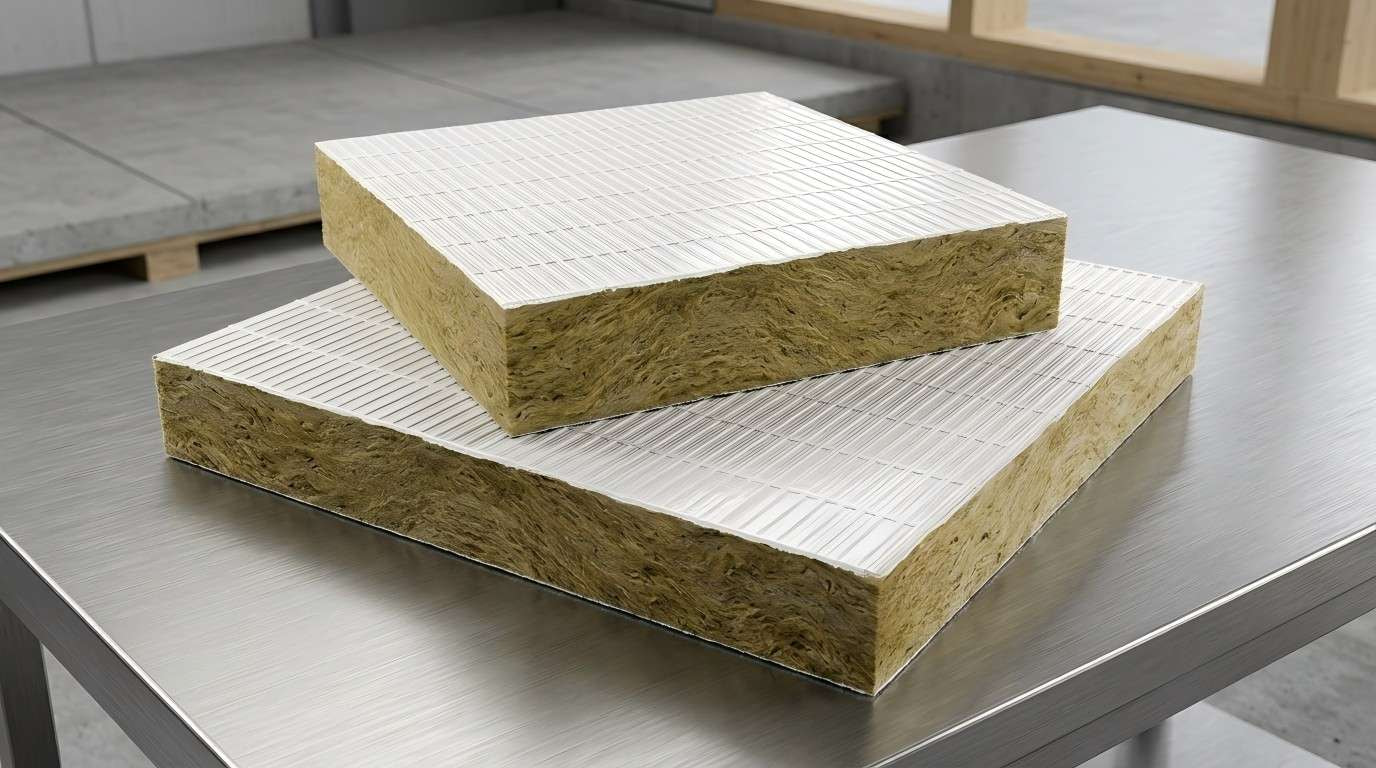
L'installation de panneaux ignifuges de haute qualité présente plusieurs avantages majeurs, notamment un allongement significatif des délais d'évacuation, un renforcement de l'intégrité structurelle et une réduction des dommages matériels. Ces panneaux créent des compartiments sécurisés qui limitent la propagation de la fumée et des flammes, contribuant ainsi directement à la sécurité des personnes et garantissant le strict respect des codes de construction locaux.
Avantages globaux en matière de sécurité et de résistance structurelle
Investir dans des solutions haut de gamme de protection contre l'incendie apporte de multiples avantages tant au propriétaire du bâtiment qu'à ses occupants. Au-delà de la simple mise en conformité, ces systèmes offrent des avantages opérationnels concrets.
- Sécurité des personnes renforcée : Cela permet de gagner un temps précieux pour que les occupants puissent évacuer en toute sécurité et que les secours puissent arriver sur place.
- Protection des actifs : Limite les dégâts causés par l'incendie à la pièce d'origine, ce qui réduit considérablement les coûts de réparation et les temps d'arrêt.
- Isolation acoustique : De nombreux panneaux résistants au feu atténuent naturellement la transmission du bruit, améliorant ainsi le confort acoustique des espaces intérieurs.
- Résistance à l'humidité : Grâce à leurs formules de pointe, ces produits résistent à la moisissure et à l'humidité, ce qui les rend adaptés aux environnements humides tels que les sous-sols et les cages d'ascenseur.
Conseil FireSafe Pro : Tirez parti de la double fonctionnalité des panneaux ignifuges modernes ; utilisez-les dans les couloirs très fréquentés pour répondre à la fois aux exigences en matière de résistance au feu et bénéficier d'une résistance supérieure aux chocs.
Comment entretenir un feu ?
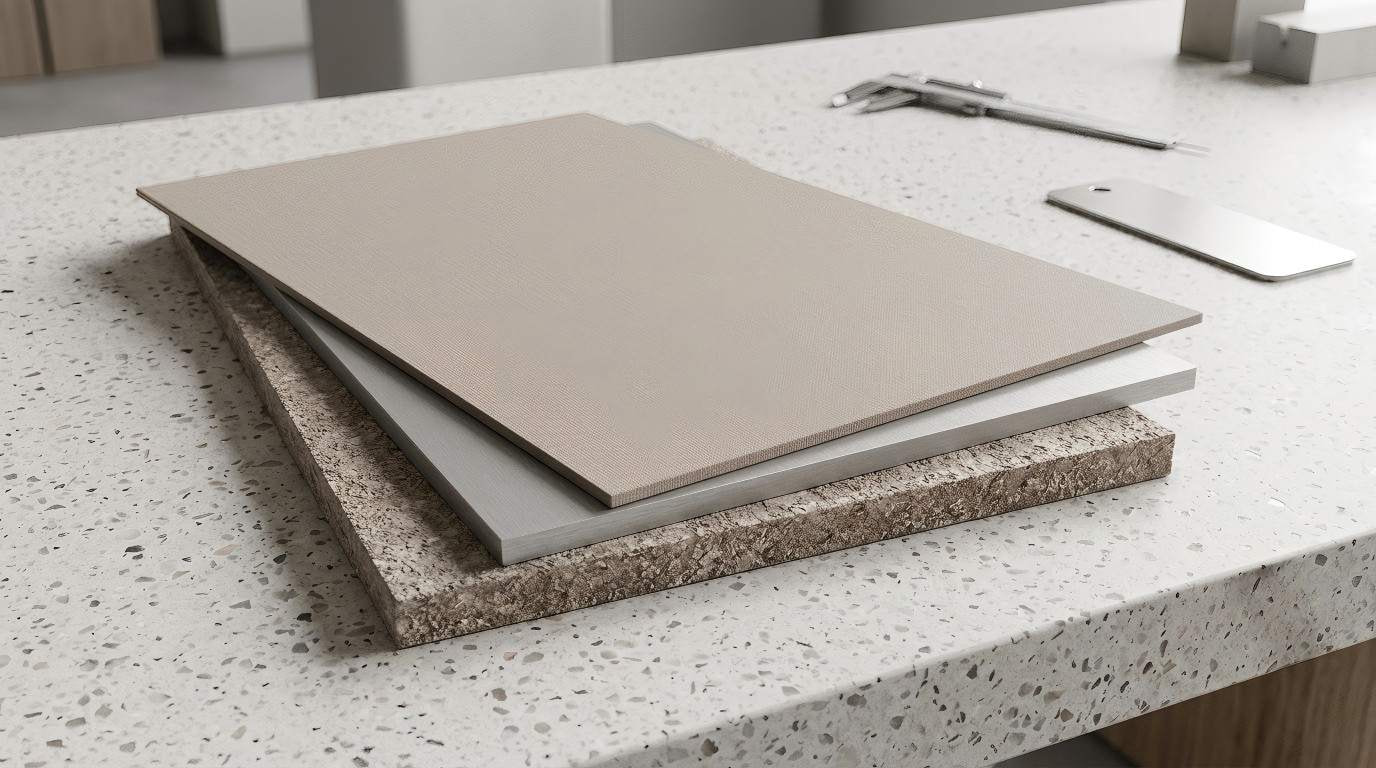
L'entretien de vos systèmes de panneaux ignifuges nécessite des inspections visuelles régulières, la réparation immédiate de tout dommage matériel et la vérification qu'aucune ouverture non autorisée ne compromette l'étanchéité du système. Un entretien régulier garantit que le système de protection passive contre l'incendie fonctionnera parfaitement et conservera son indice de résistance au feu certifié en cas d'urgence.
Protocoles d'entretien indispensables pour les systèmes passifs
Bien que les panneaux ignifuges soient durables, leur intégrité peut être compromise par des modifications ultérieures apportées au bâtiment, des travaux de rénovation de la plomberie ou des interventions électriques. Il est donc essentiel de mettre en place un programme d'entretien préventif.
- Inspections annuelles : Procéder au moins une fois par an à un contrôle visuel approfondi de tous les murs et plafonds coupe-feu.
- Gestion des intrusions : Chaque fois que de nouveaux câbles ou tuyaux traversent un panneau coupe-feu, colmatez immédiatement l'ouverture à l'aide d'un système coupe-feu homologué.
- Surveillance de l'humidité : Vérifiez s'il y a des traces de dégâts causés par l'eau, qui peuvent, à la longue, altérer l'intégrité structurelle de certains panneaux à base de plâtre.
- Documentation : Conservez des registres détaillés de toutes les inspections, réparations et modifications afin de disposer d'une trace claire de la conformité.
Conseil FireSafe Pro : Mettez en place un système rigoureux d'autorisation de travail pour les sous-traitants afin de garantir que personne ne perce ni ne modifie vos éléments de construction résistants au feu sans que les protocoles appropriés de protection contre l'incendie ne soient en place.
Quel est le prix de Fire ?
Le prix des panneaux ignifugés varie généralement entre $15 et $45 par panneau, en fonction de la composition des matériaux, de l'épaisseur et du niveau de résistance au feu requis. Alors que les technologies de pointe silicate de calcium Même si les panneaux en oxyde de magnésium représentent un investissement initial plus élevé, ils offrent une durabilité supérieure et une valeur à long terme.
Répartition des coûts par type de matériau
Pour établir le budget consacré à la protection passive contre l'incendie, il faut trouver un juste équilibre entre le coût initial des matériaux, la durée de vie des produits et les frais de main-d'œuvre liés à l'installation. La compréhension des différentes fourchettes de prix aide les chefs de projet à prendre des décisions éclairées en matière d'approvisionnement.
Sur la base de nos données internes et de l'analyse du marché, voici la répartition :
| Matériau de la planche | Coût moyen par panneau (4’x8′) | Meilleure application |
|---|---|---|
| Plaque de plâtre résistante au feu (type X) | $15 – $25 | Murs intérieurs et plafonds résidentiels standard. |
| Silicate de calcium | $30 – $50 | Zones à forte humidité et gaines de ventilation dans les locaux commerciaux. |
| Oxyde de magnésium (MgO) | $35 – $60 | Sous-planchers structurels et environnements soumis à une chaleur extrême. |
| Panneaux à base de ciment | $25 – $45 | Revêtement extérieur et zones industrielles à forte sollicitation. |
Conseil FireSafe Pro : Ne vous concentrez pas uniquement sur le coût par panneau ; tenez également compte des économies de main-d'œuvre réalisées grâce à des panneaux plus faciles à découper et nécessitant moins de couches pour atteindre la classe de résistance au feu souhaitée.
Caractéristiques principales et comparaison
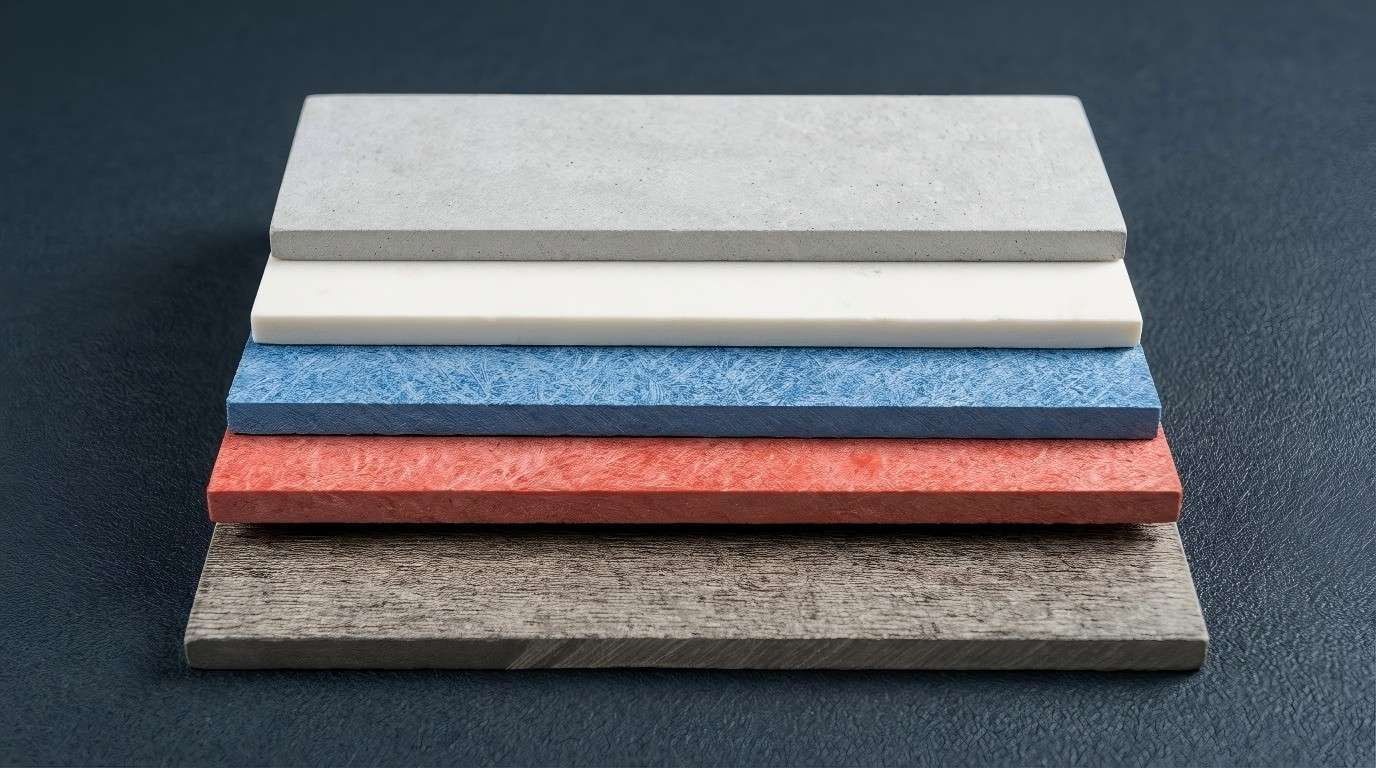
La comparaison des panneaux résistants au feu met en évidence des différences significatives au niveau de leurs caractéristiques essentielles, telles que la durée de résistance au feu, la résistance à l'humidité et la capacité de charge structurelle. Le choix du panneau approprié dépend de l'adéquation entre ces caractéristiques spécifiques et les exigences environnementales et réglementaires propres à votre projet de construction.
Analyse des spécifications de performance
Il est essentiel d'évaluer les caractéristiques techniques des différents panneaux résistants au feu afin de s'assurer qu'ils répondent aux exigences spécifiques de votre conception structurelle.
Sur la base de nos données internes et de l'analyse du marché, voici la répartition :
| Fonctionnalité | Panneau FireSafe Premium | Gypse de type X standard |
|---|---|---|
| Classement au feu | Jusqu'à 4 heures | 1 à 2 heures |
| Résistance à l'humidité | Élevé (pas de gonflement ni de pourriture) | Faible (sujet à la moisissure) |
| Résistance aux chocs | Usage intensif | Utilisation standard |
| Indice d'isolation acoustique (STC) | 55+ | 35 – 40 |
Conseil FireSafe Pro : Vérifiez toujours que la carte que vous choisissez a bien été testée et certifiée par des laboratoires indépendants reconnus, tels que UL ou Intertek, pour votre configuration précise de montage mural.
Coût et facteurs d'achat
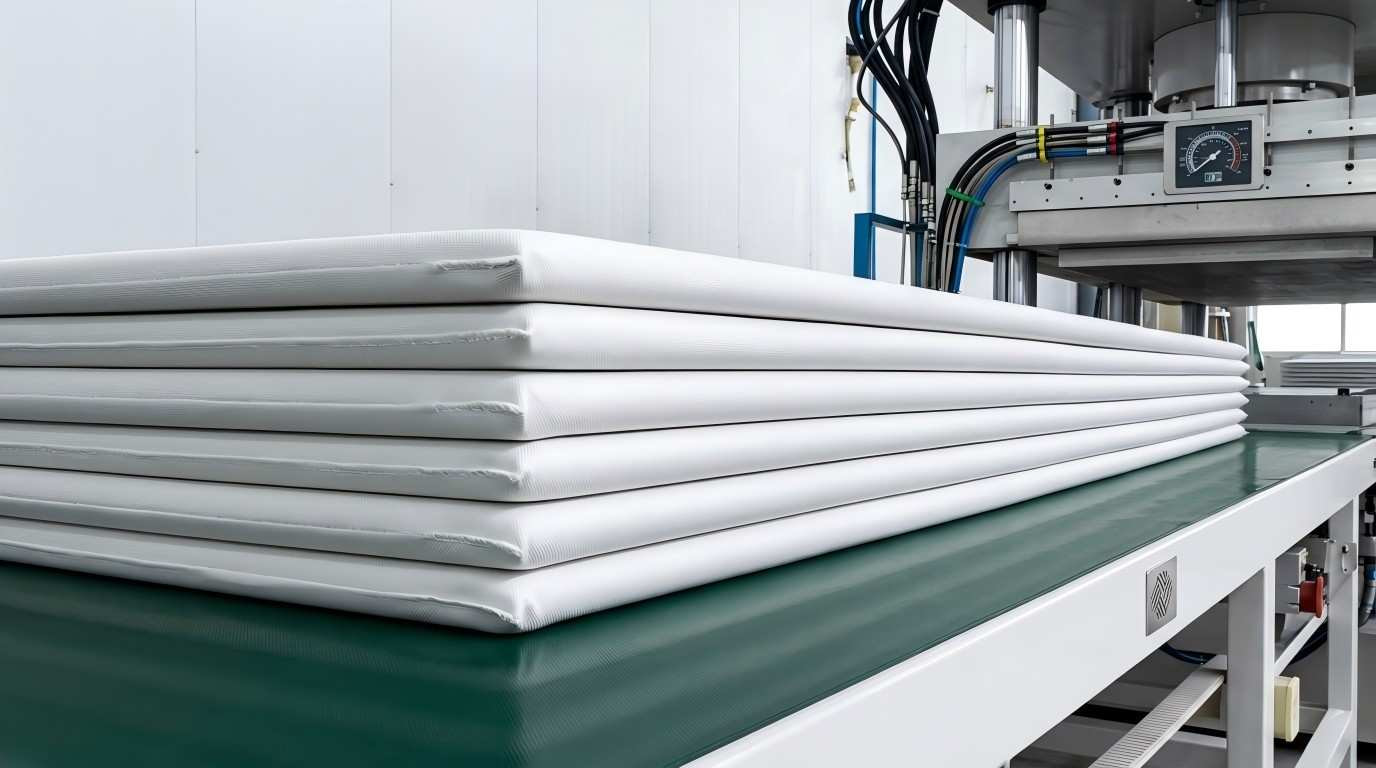
Lors du calcul de l'investissement total lié à la pose de panneaux résistants au feu, les acheteurs doivent tenir compte du coût des matériaux, des mastics coupe-feu spécialisés et de la main-d'œuvre qualifiée. De plus, les exigences du code de la construction local et la complexité de la conception architecturale auront une influence significative sur le budget global du projet et le choix des matériaux.
Considérations stratégiques en matière de passation de marchés
Pour optimiser votre budget sans faire de compromis sur les systèmes de sécurité des personnes, tenez compte de l'ensemble des coûts liés à la protection passive contre l'incendie.
- Conformité au code : Veillez à ce que les matériaux choisis respectent ou dépassent les normes horaires spécifiques imposées par les autorités locales chargées de la construction.
- Rendement du personnel : Certains panneaux sont plus légers et plus faciles à rainurer et à casser, ce qui réduit considérablement les heures de pose, souvent coûteuses.
- Compatibilité avec les systèmes : Tenez compte du coût des enduits de jointoiement, des vis et des mastics intumescents de marque spécifique nécessaires pour bénéficier de la garantie du fabricant.
- Frais d'expédition et de manutention : Les panneaux lourds à base de ciment ou de MgO peuvent entraîner des frais de transport plus élevés et nécessiter l'utilisation d'équipements de levage spécialisés sur le chantier.
Conseil FireSafe Pro : Achetez vos panneaux, vis et produits d'étanchéité résistants au feu sous la forme d'un système complet et testé, proposé par un seul fabricant, afin de garantir leur compatibilité et de simplifier la documentation relative à la conformité.
Conclusion
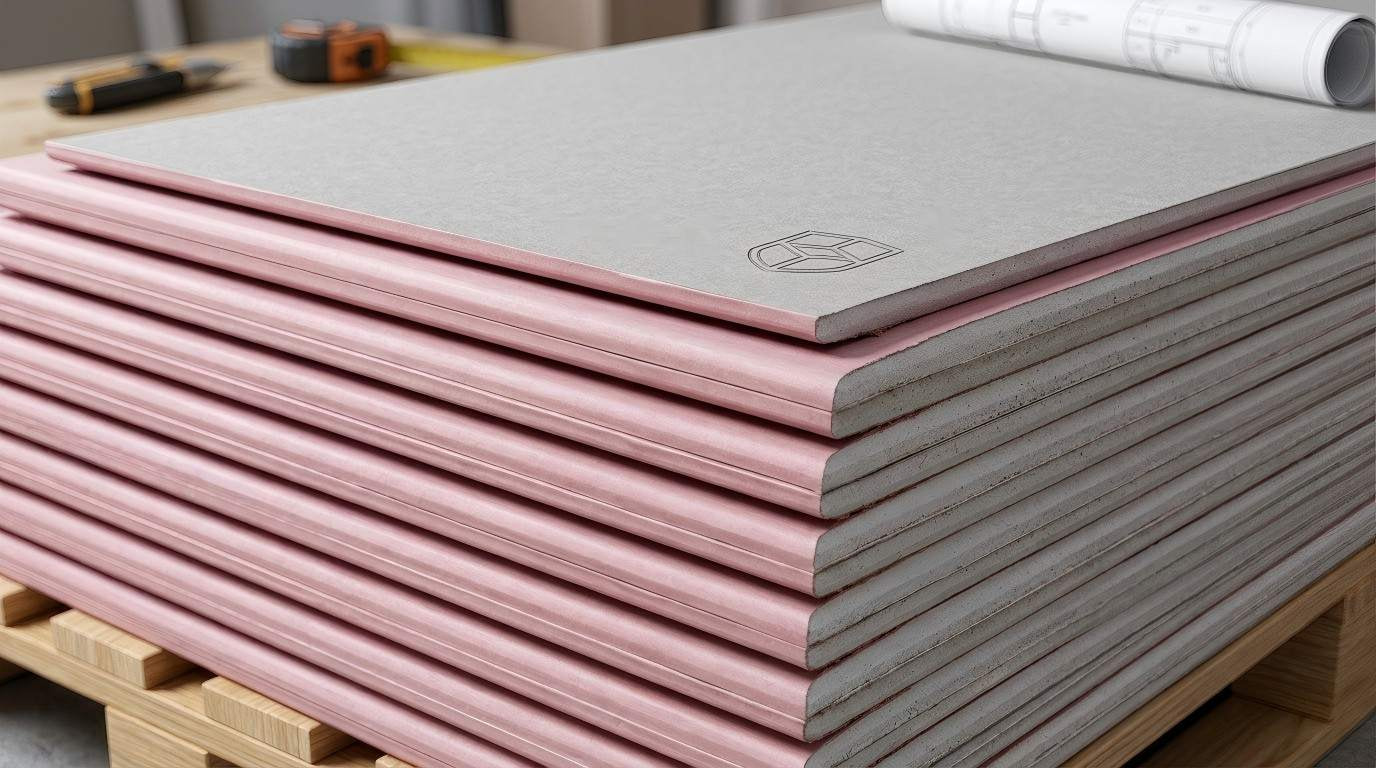
L'intégration de panneaux ignifuges haut de gamme dans vos projets de construction constitue un investissement incontournable pour garantir l'intégrité structurelle et la sécurité des personnes. En comprenant la dynamique du feu, en choisissant les matériaux adaptés et en respectant des normes d'installation rigoureuses, vous créez un environnement résilient qui protège à la fois les biens et les vies humaines.
Réflexions finales sur la protection passive contre l'incendie
La mise en place d'un système de panneaux résistants au feu constitue la pierre angulaire de la sécurité des bâtiments modernes. À mesure que les conceptions architecturales gagnent en complexité, le recours à une protection passive contre l'incendie fiable ne fera que s'accroître.
- Privilégier la sécurité des personnes en allant au-delà des exigences minimales prévues par la réglementation chaque fois que cela est possible.
- S'engager à assurer l'entretien et l'inspection réguliers de tous les éléments de construction résistants au feu.
- Collaborez avec des fabricants leaders du secteur pour bénéficier de matériaux fiables et d'un soutien technique.
Conseil FireSafe Pro : N’attendez pas l’inspection finale pour vérifier vos systèmes de protection passive contre l’incendie. Effectuez des contrôles qualité réguliers tout au long de la phase de pose des plaques de plâtre afin d’éviter des démolitions coûteuses et de garantir une intégrité structurelle irréprochable.