
When comparing a fire-rated board to standard drywall, the primary difference lies in their fire endurance limits and core composition. A fire-rated board contains glass fibers and non-combustible materials, offering up to two hours of fire resistance. In contrast, standard drywall provides minimal fire protection, typically burning through in under thirty minutes.
Qu'est-ce qu'un panneau ignifugé ?
A fire-rated board, commonly known as Type X or Type C drywall, is a specialized building material engineered to withstand intense heat and prevent the spread of flames. It features a densely packed gypse core reinforced with continuous glass fibers to maintain structural integrity during a fire. This unique composition allows it to achieve strict fire endurance limits mandated by commercial building codes.
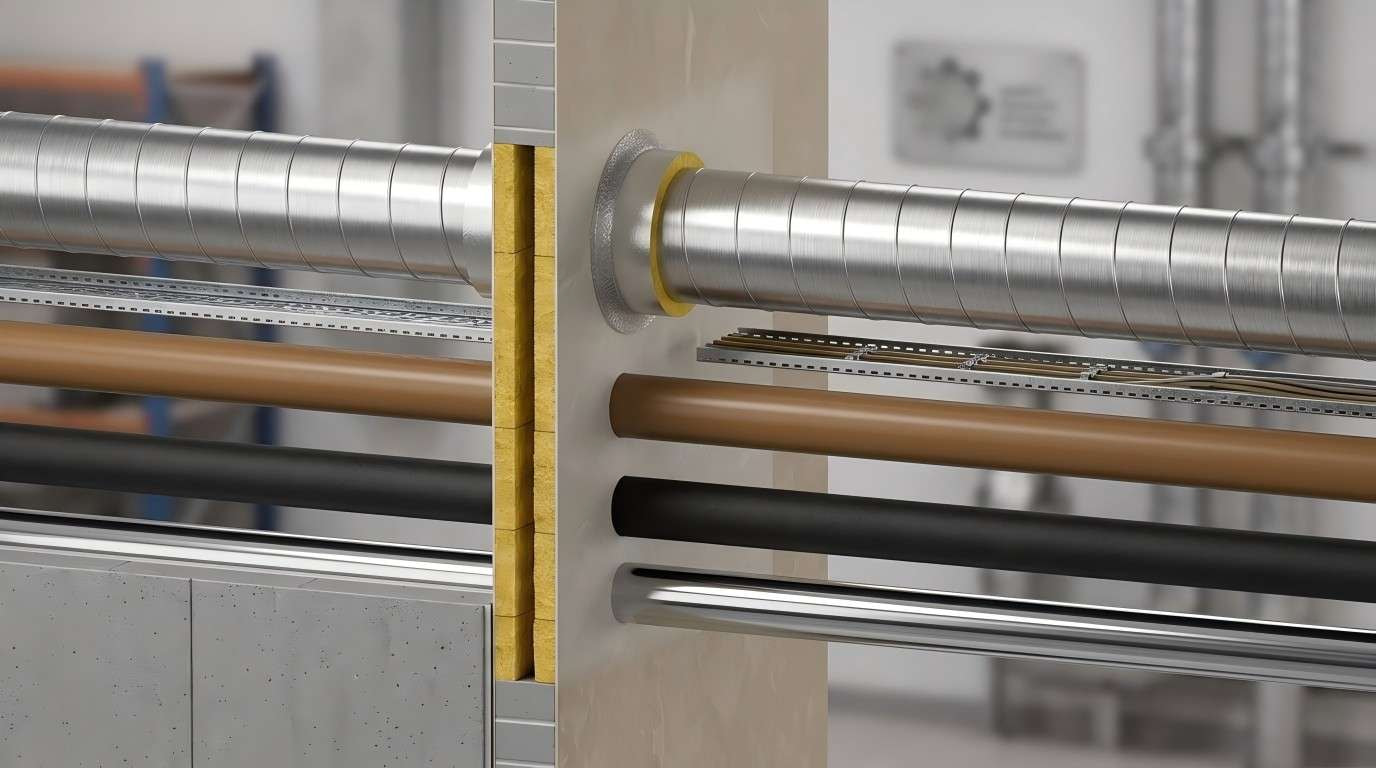
Core Technology: Manufactured with a specialized gypsum core mixed with fiberglass and other non-combustible additives to prevent rapid degradation under extreme heat.
Fire Endurance Limit: Typically provides a 1-hour to 2-hour fire resistance rating depending on the thickness and specific wall assembly.
Application: Exclusively used in areas requiring strict fire code compliance, such as utility rooms, garages, stairwells, and commercial corridors.
[Insert relevant video for Fire-rated Board]
What is Standard Drywall?
Standard drywall, often referred to as regular or white board, is the most common interior wall and ceiling material used in residential construction. It consists of a basic gypsum core sandwiched between two layers of heavy paper, designed primarily for cost-effective spatial division and aesthetic finishing. While it offers a smooth surface for painting, it lacks the specialized additives required to resist prolonged fire exposure.
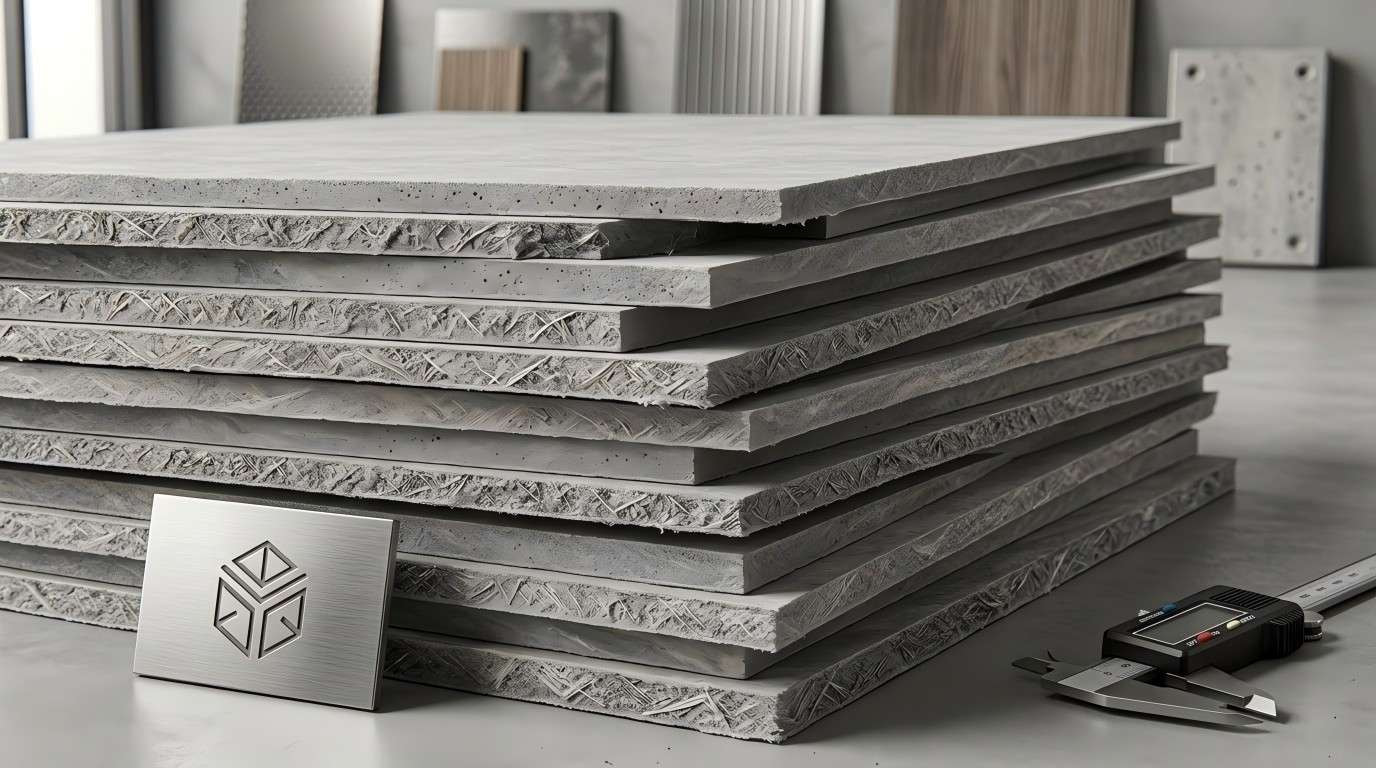
Core Technology: Composed of naturally occurring gypsum rock and water encased in standard paper backing, without any structural fiberglass reinforcement.
Fire Endurance Limit: Generally offers only 15 to 30 minutes of fire resistance before the paper ignites and the core crumbles.
Application: Ideal for standard residential living spaces, bedrooms, hallways, and non-load-bearing interior partitions where enhanced fire ratings are not required.
[Insert relevant video for Standard Drywall]
Key Differences: Fire-rated Board vs. Standard Drywall
When evaluating these two materials, the distinction goes far beyond surface appearance. The critical dimensions of comparison include fire endurance, core composition, thickness, and overall weight.
| Spécifications | Panneau ignifugé | Plaque de plâtre standard |
|---|---|---|
| Fire Endurance | 1 à 2 heures | 15 to 30 minutes |
| Core Composition | Gypsum + Glass Fibers | Gypse standard |
| Épaisseur | Usually 5/8 inch | Usually 1/2 inch |
| Weight per Sq. Ft. | ~2.2 lbs to 2.8 lbs | ~1.6 lbs |
ClearFilter Pro Tip: When we design wall assemblies for our clients, we always recommend using a 5/8-inch fire-rated board on any shared wall between a garage and a living space. It significantly increases your evacuation window and keeps your property fully compliant with modern safety codes.
Comparaison des avantages et des inconvénients
| Fonctionnalité | Panneau ignifugé | Plaque de plâtre standard |
|---|---|---|
| Safety & Protection | Superior fire endurance limits | Minimal fire resistance |
| Coût | Higher upfront material cost | Highly economical |
| Installation | Heavier and harder to score/cut | Lightweight and easy to install |
| L'insonorisation | Excellent acoustic dampening | Average sound insulation |
Conclusion
Ultimately, choosing between a fire-rated board and standard drywall comes down to building codes and safety requirements. Standard drywall is perfectly suited for general interior walls where budget and ease of installation are priorities. However, for critical areas like garages, utility rooms, and commercial spaces, investing in a fire-rated board is a non-negotiable safety measure that maximizes your fire endurance limits and protects structural integrity.
FAQ
1. Can I use standard drywall instead of a fire-rated board in my garage? No, most local building codes explicitly require a fire-rated board (Type X) on walls and ceilings that separate a garage from a residential living space.
2. Is a fire-rated board completely fireproof? No building material is entirely fireproof. A fire-rated board is fire-resistant, meaning it will eventually burn but is engineered to delay the spread of fire for a specified endurance limit (usually 1 to 2 hours).
3. Does a fire-rated board offer better soundproofing than standard drywall? Yes, because it is thicker and denser than standard drywall, it naturally provides superior acoustic dampening and reduces sound transmission between rooms.