Selecting the right manufacturer for your protection passive contre l'incendie needs requires rigorous evaluation of their quality assurance protocols and supply chain efficiency. Vetting a supplier ensures that the materials you receive will perform flawlessly under extreme conditions while meeting your project deadlines. This guide explores the critical steps for auditing production standards, verifying certifications, and assessing the lead times of top-tier suppliers to keep your construction projects compliant and on schedule.
Qu'est-ce qu'un panneau ignifugé ?
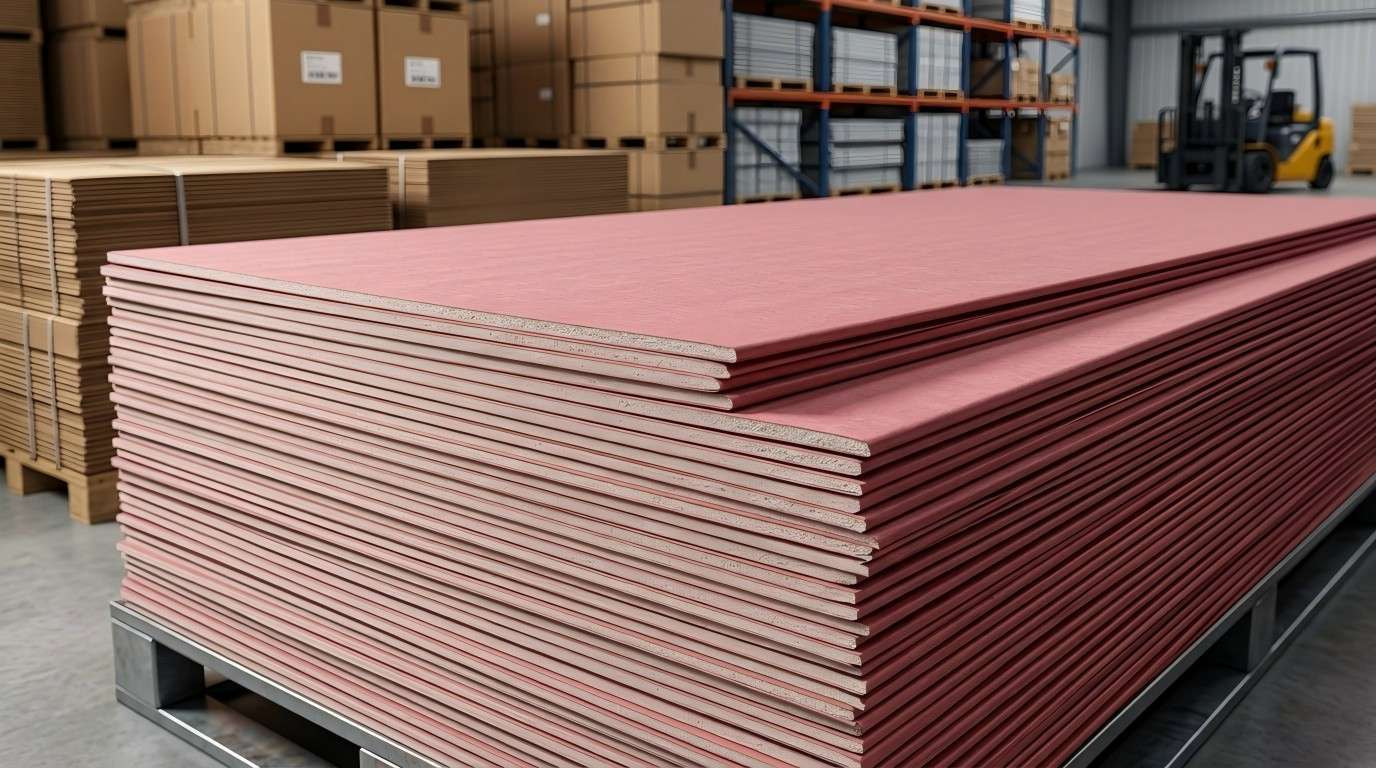
Fire-rated board is a specialized construction material engineered to resist high temperatures and prevent the spread of flames and smoke. Manufactured with non-combustible cores like gypse, silicate de calcium, or magnesium oxide, these boards are essential components in creating passive fire protection systems for commercial and residential buildings.
Composition et fabrication
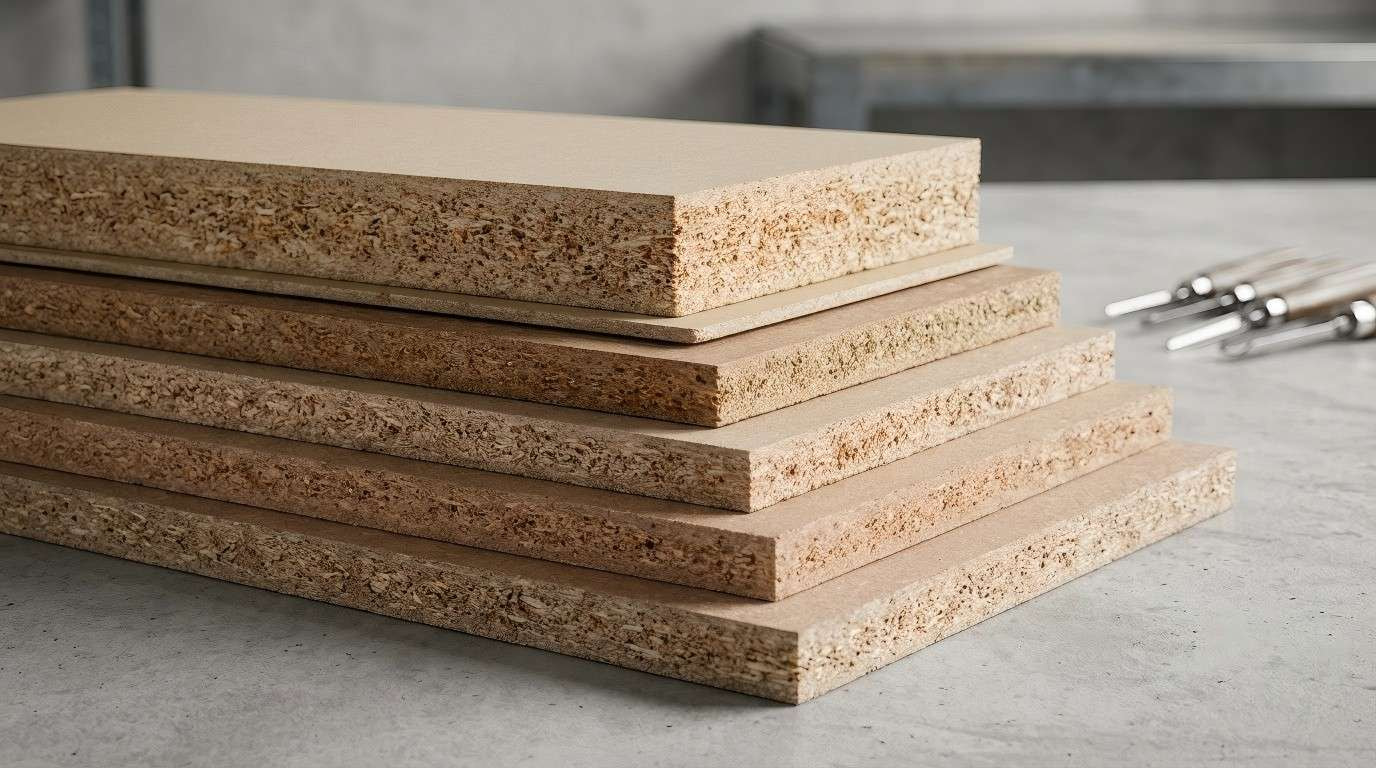
The structural integrity of these panels relies on highly controlled manufacturing processes. High-quality boards integrate specialized additives and glass fibers into their core to maintain stability when exposed to extreme heat. When vetting a manufacturer, it is crucial to understand the exact composition they utilize to ensure it meets your specific building code requirements.
Key materials commonly used include:
- Plâtre de type X : Features glass fibers to reinforce the core during calcination, preventing the board from crumbling under heat.
- Silicate de calcium : Offers exceptional moisture resistance and high-temperature endurance, ideal for industrial applications.
- Oxyde de magnésium (MgO) : Provides superior strength, zero flame spread characteristics, and resistance to mold and mildew.
- Cementitious Binders: Enhances durability for structural steel protection and exterior fire-rated sheathing.
Conseil FireSafe Pro : Always ask potential suppliers for their batch-testing records. Consistent board density and weight across different production batches is the first indicator of a manufacturer’s strict quality control.
Comment fonctionne le panneau ignifugé ?
These boards function by utilizing calcination, a chemical process where heat causes the material to release trapped water as steam. This réaction endothermique cools the surrounding area and forms a protective thermal barrier, significantly delaying the transfer of heat to structural components and adjacent rooms.
The Science of Thermal Resistance
When exposed to a fire, the board undergoes a multi-phase transformation to protect the building’s framework. The effectiveness of this process is heavily dependent on the manufacturer’s ability to uniformly distribute water-retaining compounds throughout the board’s core during production.
The protective sequence occurs in three primary stages:
- Thermal Shock Absorption: The outer paper or facing burns away, exposing the fire-resistant core directly to the heat source.
- Calcination and Steam Release: Chemically bound water molecules inside the gypsum or silicate vaporize, absorbing massive amounts of heat energy and keeping the unexposed side cool.
- Formation d'une barrière : Once the moisture is depleted, the remaining glass-reinforced structure remains intact, physically blocking flames and toxic smoke from penetrating the wall assembly.
Conseil FireSafe Pro : Look for manufacturers who conduct continuous kiln-drying monitoring. Improper drying during production can compromise the board’s internal moisture content, leading to premature failure during a fire event.
How to achieve 60 minute fire resistance plasterboard?
Achieving a 60-minute fire resistance rating typically requires installing a single layer of 5/8-inch Type X fire-rated board on each side of a standard framing system. The assembly must be constructed exactly to tested specifications, including proper fastener spacing and the use of fire-resistant acoustic sealants.
Assembly Requirements for 1-Hour Ratings
A fire rating does not apply to the board alone, but rather to the entire wall, floor, or ceiling assembly. Vetting a manufacturer involves verifying that they provide comprehensive installation guidelines and UL-listed assembly designs for their specific products.
To achieve a compliant 60-minute rating, the following conditions must generally be met:
- Framing: Use minimum 3-5/8 inch steel studs or 2×4 wood studs spaced 16 or 24 inches on center.
- Épaisseur de la planche : Apply one layer of 5/8-inch (15.9mm) Type X board vertically or horizontally to both sides.
- Fastening: Use Type S drywall screws spaced 8 inches on edges and 12 inches in the field.
- Traitement des articulations : All joints and fastener heads must be taped and finished with a setting-type joint compound to prevent heat penetration through seams.
Conseil FireSafe Pro : When evaluating lead times, ensure your supplier also stocks the necessary proprietary fire sealants and joint compounds tested specifically with their boards to avoid unexpected project delays.
How much drywall do I need for a 2 hour fire rating?
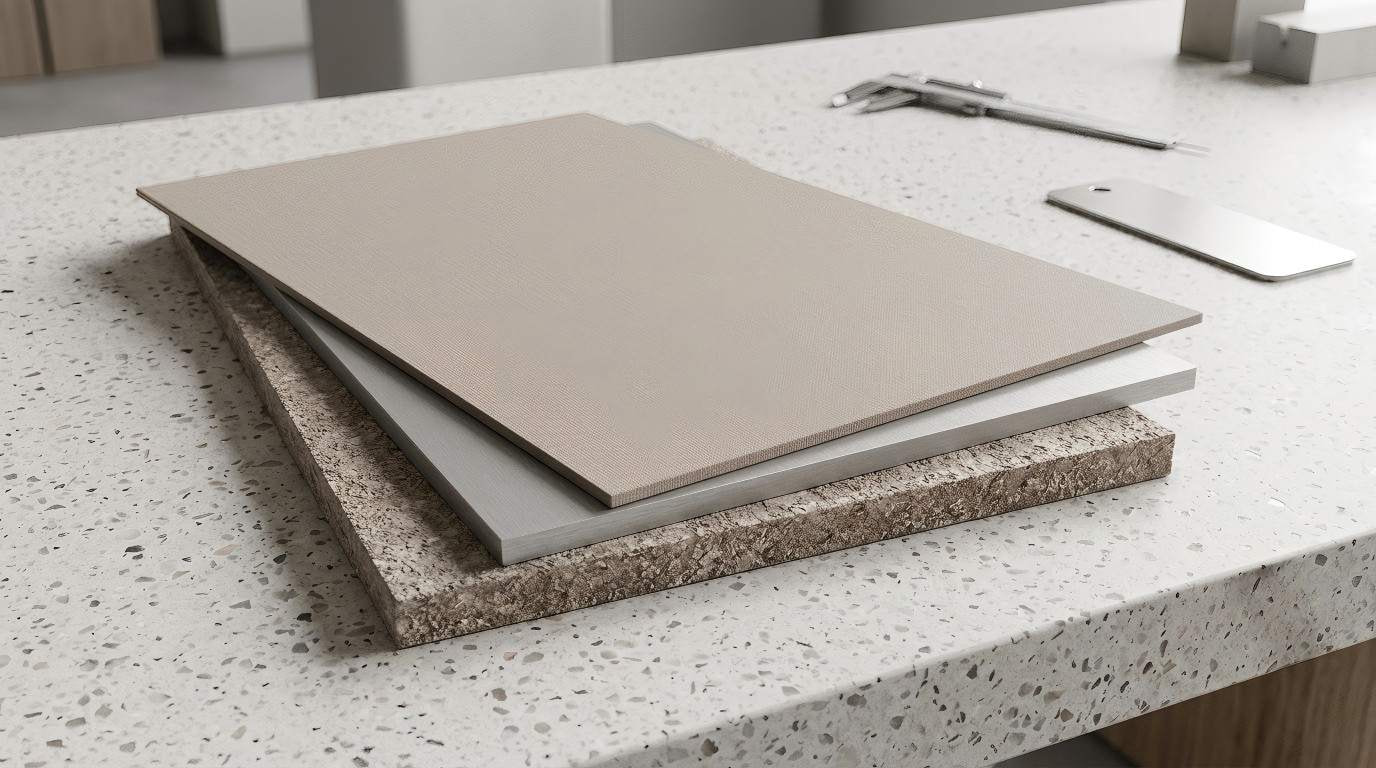
A standard 2-hour fire rating requires a double-layer application of 5/8-inch Type X fire-rated board on both sides of the framing. This means you will need twice the square footage of drywall compared to a 1-hour assembly, with all joints staggered to prevent direct heat penetration.
Double-Layer Assembly Specifications
Constructing a 2-hour barrier demands strict adherence to layered installation techniques. Manufacturers with robust quality control will guarantee the dimensional tolerance of their boards, ensuring seamless layering without air gaps that could compromise the fire barrier.
Sur la base de nos données internes et de l'analyse du marché, voici la répartition :
| Assembly Component | 1-Hour Rating Requirement | 2-Hour Rating Requirement |
|---|---|---|
| Board Layers (Per Side) | 1 Layer (5/8″ Type X) | 2 Layers (5/8″ Type X) |
| Total Wall Thickness (Steel) | 4-7/8 inches | 6-1/8 inches |
| Joint Staggering | Not applicable | Minimum 16 inches offset between layers |
| Fastener Length (Base Layer) | 1 inch | 1 inch |
| Fastener Length (Face Layer) | N/A | 1-5/8 inches |
Conseil FireSafe Pro : Ask your manufacturer if they offer Type C boards. Using 1/2-inch Type C can sometimes achieve a 2-hour rating in specific proprietary assemblies, saving weight and slightly reducing freight costs.
Who conducts testing to determine the fire resistance rating of assemblies?
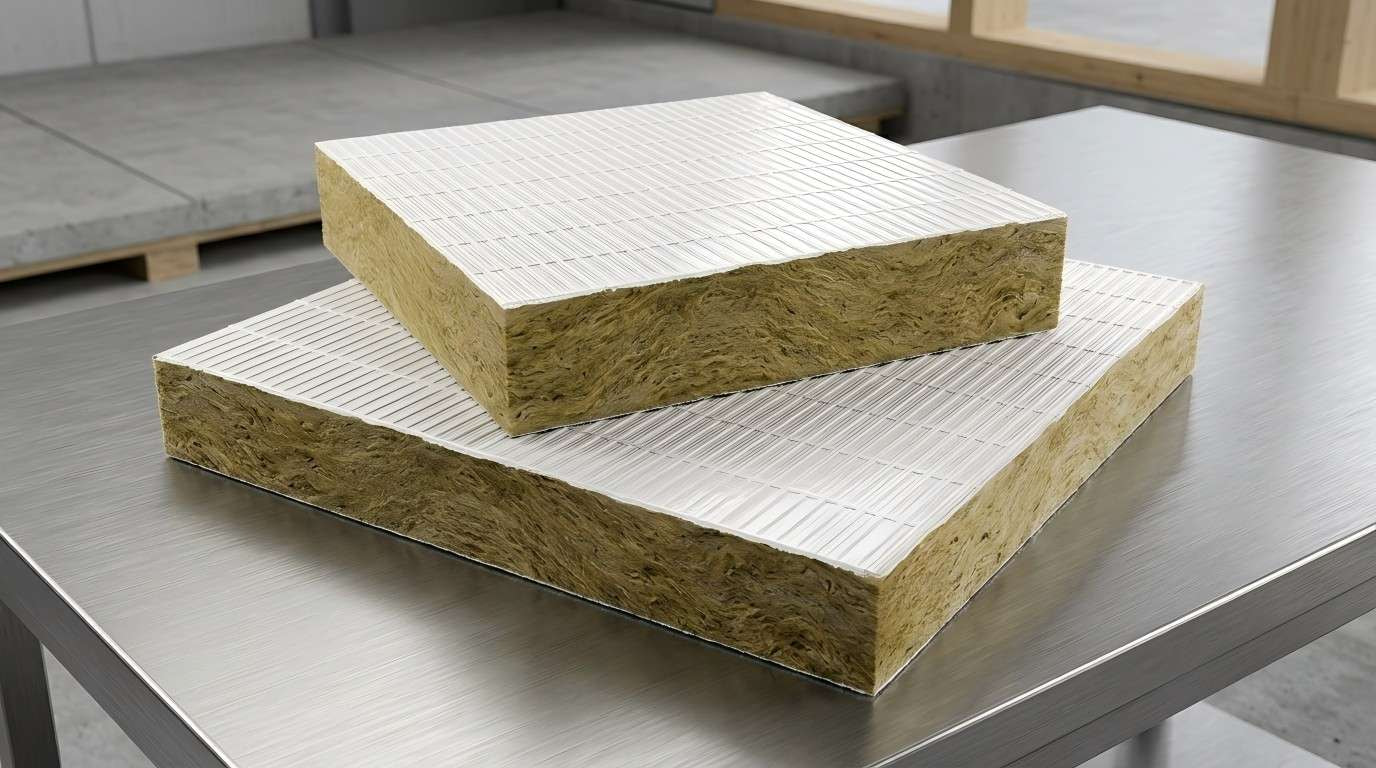
Fire resistance ratings are determined by independent, accredited third-party testing laboratories. Organizations such as Laboratoires des assureurs (UL), Intertek, and ASTM International conduct standardized burn tests to certify that assemblies meet rigorous life-safety codes before they can be legally marketed and installed.
Third-Party Certification and Auditing
A critical step in vetting any manufacturer is verifying their relationship with recognized testing authorities. Reputable manufacturers do not just pass a single test; they subject their manufacturing facilities to unannounced quarterly audits by these agencies to maintain their certifications and prove ongoing quality control.
The primary testing bodies include:
- Underwriters Laboratories (UL): The gold standard in North America, providing the UL Fire Resistance Directory for approved assembly designs.
- Intertek (Warnock Hersey): Offers extensive testing and certification for building products globally.
- FM Approvals: Focuses heavily on property loss prevention and structural integrity under extreme fire conditions.
- European Standard (EN): Conducts CE marking and EN 13501 testing for European market compliance and classification.
Conseil FireSafe Pro : Never accept in-house testing data as proof of compliance. Always demand the official, up-to-date UL or Intertek certification documents directly linking the manufacturer’s specific factory location to the test results.
Caractéristiques principales et comparaison
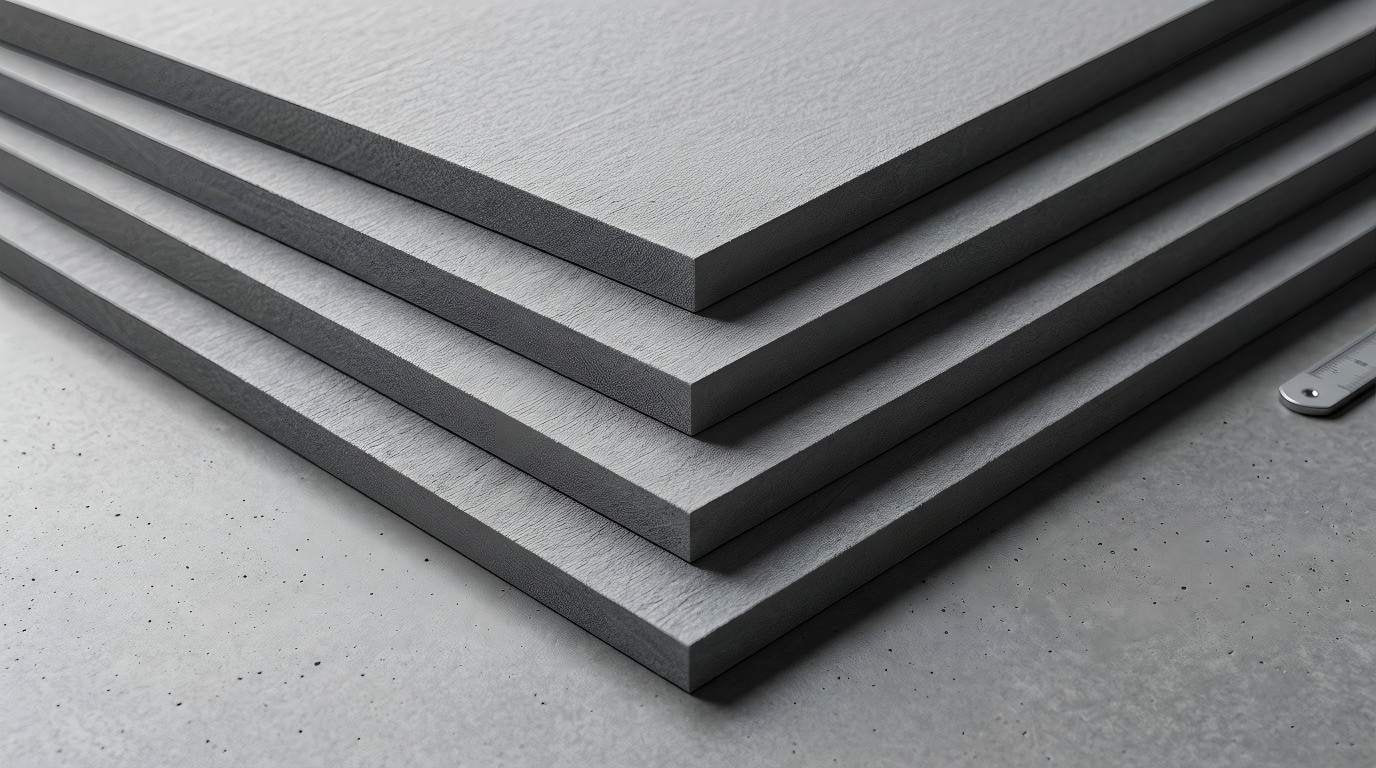
Evaluating manufacturers requires comparing their product features, production capacity, and logistical reliability. The best suppliers balance premium fire resistance with consistent manufacturing tolerances, comprehensive technical support, and transparent, predictable lead times to keep your construction pipeline moving.
Manufacturer Evaluation Criteria
To streamline your vetting process, you must weigh different board materials and the operational strengths of their respective manufacturers. A supplier’s ability to deliver specialized boards on time is just as important as the product’s fire rating.
Sur la base de nos données internes et de l'analyse du marché, voici la répartition :
| Feature / Criteria | Gypse de type X standard | Premium Calcium Silicate | Oxyde de magnésium (MgO) |
|---|---|---|---|
| Résistance au feu | 1 à 2 heures | Jusqu'à 4 heures | Jusqu'à 4 heures |
| Résistance à l'humidité | Faible | Haut | Haut |
| Typical Lead Time | 1-2 Weeks (High Availability) | 4-6 Weeks (Specialty) | 6-8 Weeks (Imported) |
| Quality Control Risk | Low (Highly standardized) | Medium (Requires precise curing) | High (Chloride content varies) |
| Profil des coûts | Économique | Premium | Moderate to High |
Conseil FireSafe Pro : When assessing lead times, ask about their raw material supply chain. Manufacturers who vertically integrate their gypsum or mineral sourcing are far less susceptible to sudden global supply chain disruptions.
Coût et facteurs d'achat
The total cost of procurement extends beyond the per-sheet price of the board. Factoring in freight costs, minimum order quantities, and potential delays caused by extended lead times is essential for maintaining your project’s budget and ensuring seamless construction schedules.
Total Cost of Ownership Analysis
When auditing a manufacturer’s pricing structure, it is vital to look at the entire procurement lifecycle. A cheaper board with a 12-week lead time and poor quality control will ultimately cost more in labor delays, rejected building inspections, and material waste.
Consider these primary buying factors:
- Fret et logistique : Heavy materials incur massive shipping costs. The geographic proximity of the manufacturer’s distribution center to your job site heavily impacts the final delivered price.
- Minimum Order Quantities (MOQs): Factory-direct purchases often require full truckload commitments, which may not suit smaller projects.
- Defect Allowances: Review the manufacturer’s warranty and replacement policy for boards damaged during transit or those that fail on-site quality checks.
- Technical Support: Manufacturers who provide free engineering judgments and assembly consultation offer immense added value that offsets slightly higher material costs.
Conseil FireSafe Pro : Negotiate a Service Level Agreement (SLA) that includes penalties for missed delivery windows. This forces the manufacturer to be completely transparent about their actual production lead times.
Conclusion
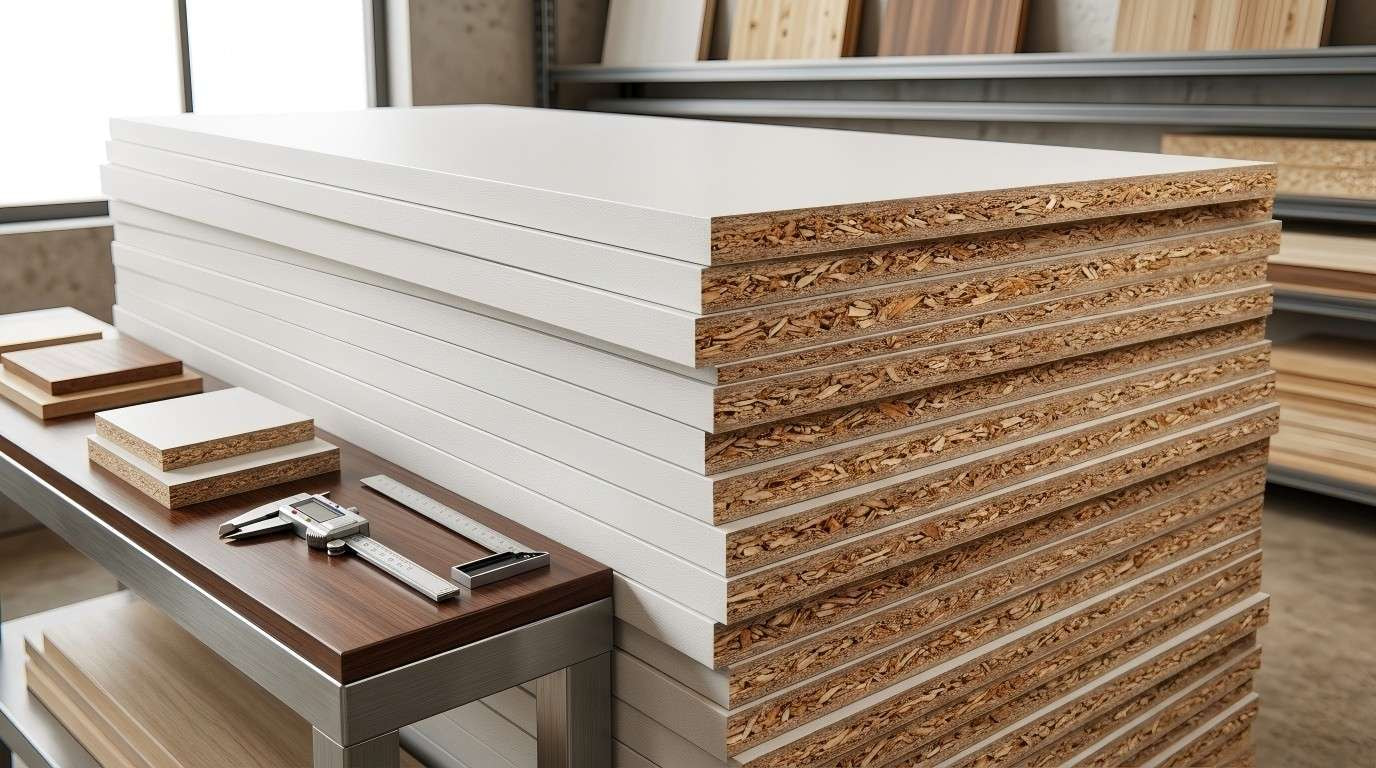
Vetting a fire-rated board manufacturer is a critical risk management exercise that safeguards both your budget and building occupants. By demanding rigorous third-party certifications, analyzing production quality control, and verifying realistic lead times, you ensure a seamless supply of life-saving materials.
Finalizing Your Supplier Partnership
Establishing a reliable supply chain for passive fire protection requires ongoing due diligence. The most successful contractors do not just buy materials; they partner with manufacturers who act as technical advisors and logistical allies throughout the lifespan of the project.
To finalize your vetting process, take these final steps:
- Conduct a virtual or in-person tour of their manufacturing facility to observe their quality control firsthand.
- Request physical samples to inspect edge detailing, core density, and facing adhesion.
- Call three references from contractors who have recently purchased similar volumes to verify lead time accuracy.
- Verify the expiration dates on all their third-party fire testing certificates before signing purchase orders.
Conseil FireSafe Pro : Treat your first order as a paid trial. Order a partial truckload well ahead of your critical path schedule to test their communication, delivery accuracy, and product quality firsthand before committing to a massive contract.