Navigating the complex landscape of global fire safety regulations is critical for modern commercial construction. A high-quality fireproof board serves as the foundational barrier against catastrophic structural damage, ensuring compliance with rigorous international building codes. This guide explores the essential standards, material performance metrics, and operational principles that dictate how these critical components safeguard commercial environments against extreme thermal events.
Video Guide: An overview of the latest fire safety codes of practice impacting commercial building materials.
Qu'est-ce qu'un panneau ignifugé ?
A fireproof board is a specialized construction material engineered to resist high temperatures and prevent the spread of flames. Manufactured from non-combustible compounds like oxyde de magnésium, silicate de calcium, or gypsum, it provides critical protection passive contre l'incendie, maintaining structural integrity and allowing occupants safe evacuation time during commercial fires.
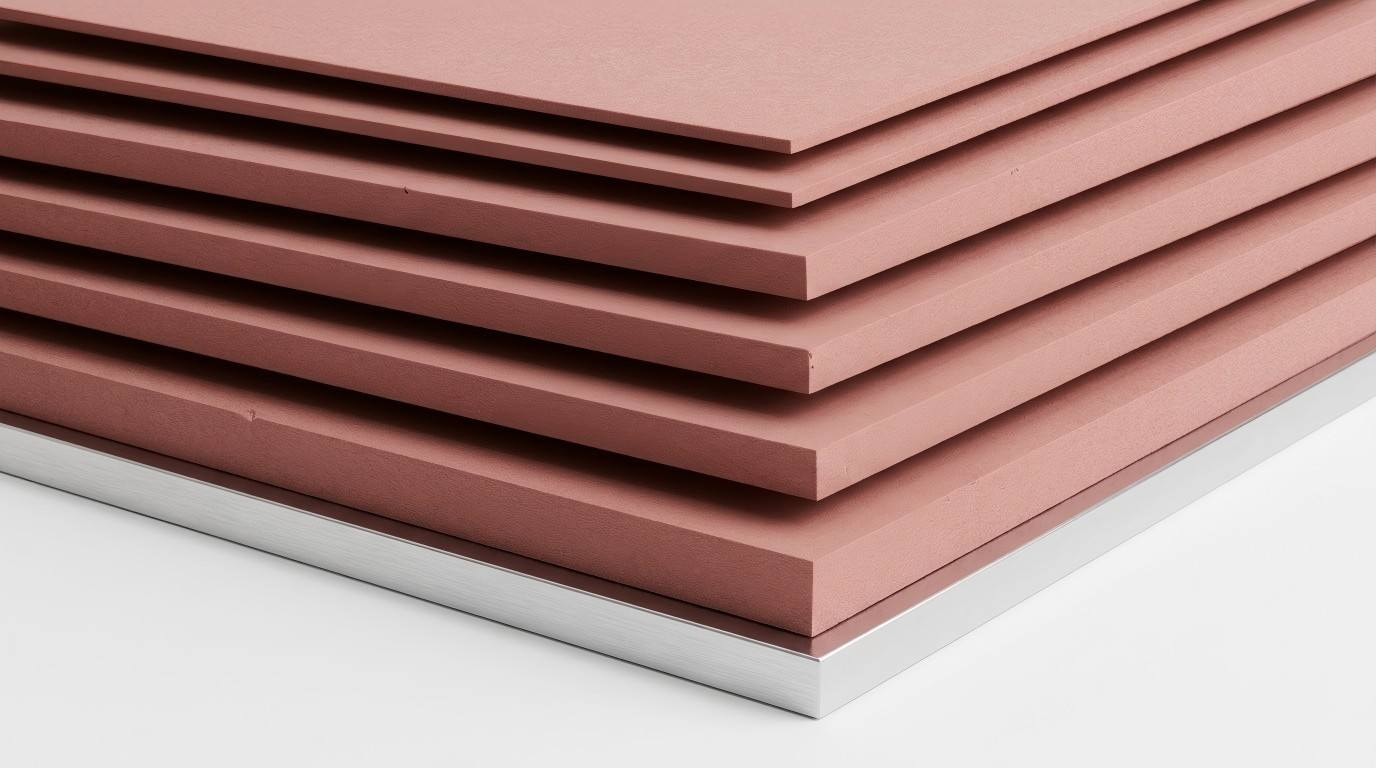
Material Composition and Grading
- Oxyde de magnésium (MgO) : Offers superior fire resistance, moisture control, and structural strength, making it ideal for high-risk commercial zones.
- Silicate de calcium : Highly durable and dimensionally stable under extreme heat, frequently utilized in industrial partitions and ceiling linings.
- Plâtre de type X : Features dense glass fibers mixed into the gypsum core to maintain structural integrity significantly longer than standard drywall.
Conseil FireSafe Pro : Always verify the specific UL (Laboratoires des assureurs) or EN (European Norm) rating of the board before installation, as standard drywall cannot legally substitute for certified fire-rated partitions in commercial zones.
Comment fonctionne le panneau ignifugé ?
Les panneaux ignifuges fonctionnent grâce à endothermique chemical reactions and dense, non-combustible physical barriers to block heat transfer. When exposed to extreme temperatures, materials within the board release chemically bound water as steam, actively cooling the surface and significantly delaying the spread of flames and toxic smoke.
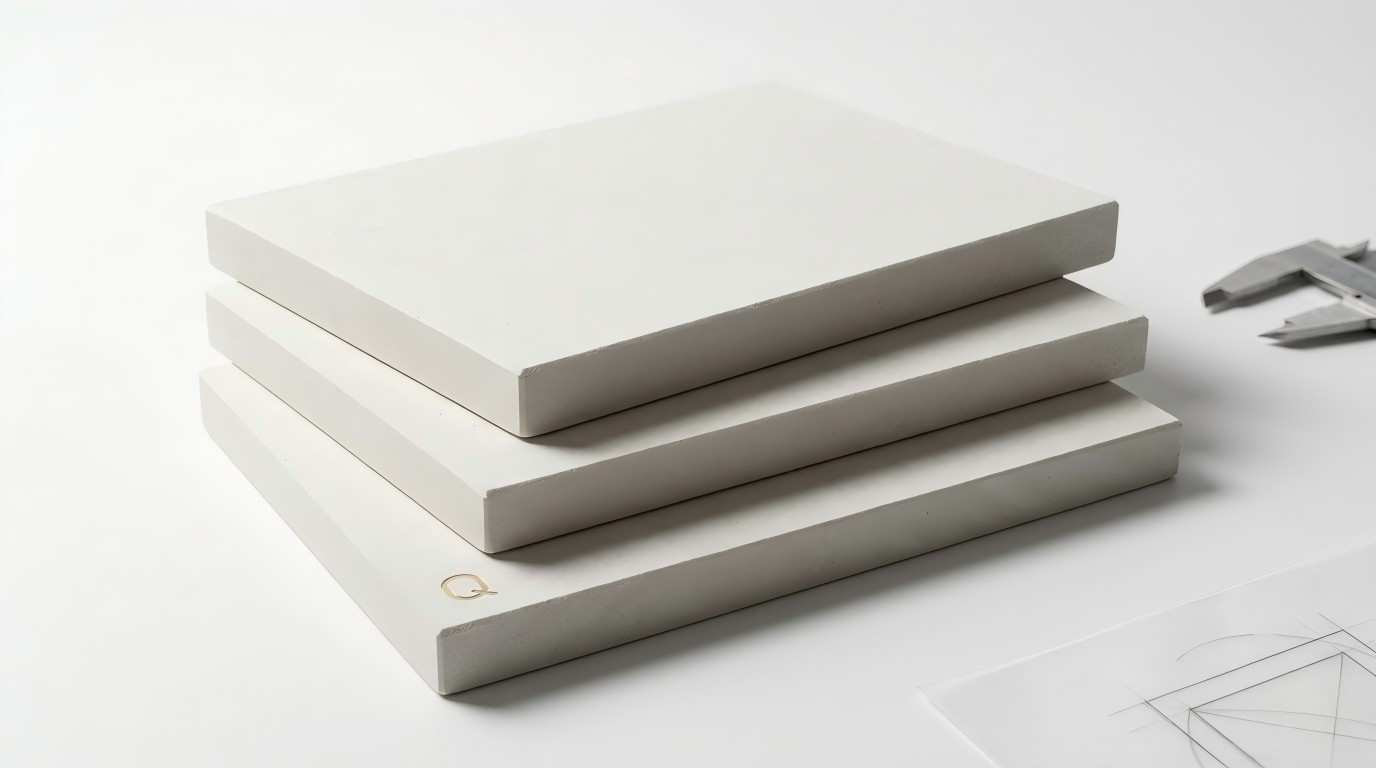
La mécanique de la résistance thermique
- Isolation thermique : The dense, non-combustible core acts as a physical barrier, preventing heat from transferring to combustible structural elements hidden behind the board.
- Calcination Process: In gypsum-based boards, intense heat causes the crystalline water to vaporize, absorbing massive amounts of thermal energy and cooling the immediate environment.
- Structural Stabilization: Embedded fiberglass or synthetic mesh prevents the board from crumbling, cracking, or collapsing when the core materials are depleted of moisture.
Conseil FireSafe Pro : Ensure all joints and penetrations are sealed with fire-rated intumescent acoustic sealants; a fireproof board is only as effective as its weakest seam.
Quels sont les 4 principes de la sécurité incendie ?
The four fundamental principles of fire safety in commercial buildings are life safety, property protection, continuity of operations, and environmental protection. These pillars dictate the integration of passive systems like fireproof boards, alongside active suppression systems, to minimize catastrophic loss and ensure rapid, safe evacuation protocols.
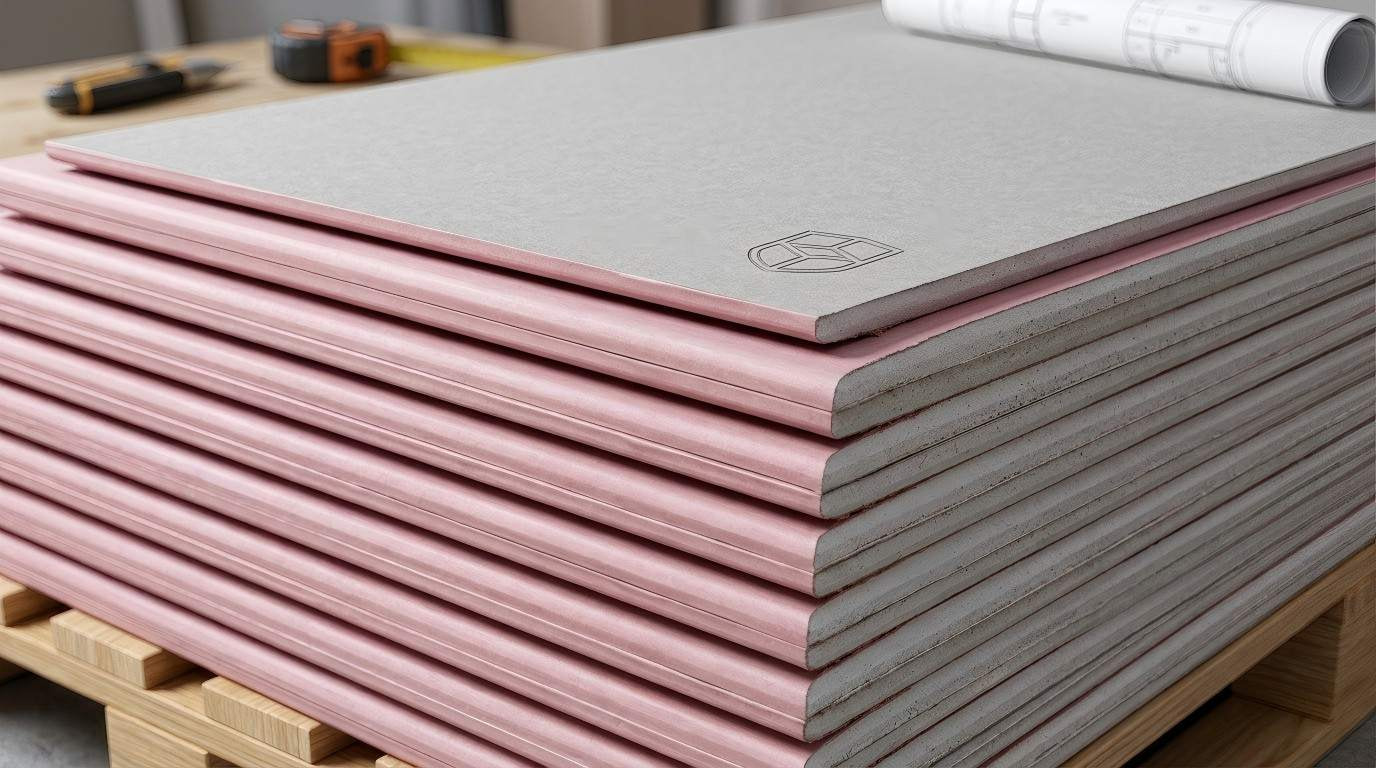
Core Pillars of Commercial Fire Strategy
- Sécurité des personnes : The absolute priority, ensuring occupants have clear, protected egress routes using fire-rated walls and ceilings.
- Protection des biens : Utilizing robust materials to compartmentalize fires, preventing structural collapse and limiting damage to a specific designated zone.
- Continuité des opérations : Designing resilient infrastructure that survives minor fire events, allowing businesses to resume operations with minimal downtime.
- Protection de l'environnement : Containing hazardous materials, chemical spills, and toxic smoke generated during a fire from escaping into the surrounding ecosystem.
Conseil FireSafe Pro : Passive fire protection, such as installing our certified boards in corridors, is the most reliable method for achieving the “Life Safety” principle because it requires no mechanical activation.
What are the standards for a fireproof safe?
Fireproof safe standards are rigorous testing metrics, primarily established by Underwriters Laboratories (UL), that measure a safe’s ability to maintain internal temperatures below a critical threshold. These standards dictate how long the safe can endure external temperatures exceeding 1,700°F while protecting sensitive paper documents or digital media.
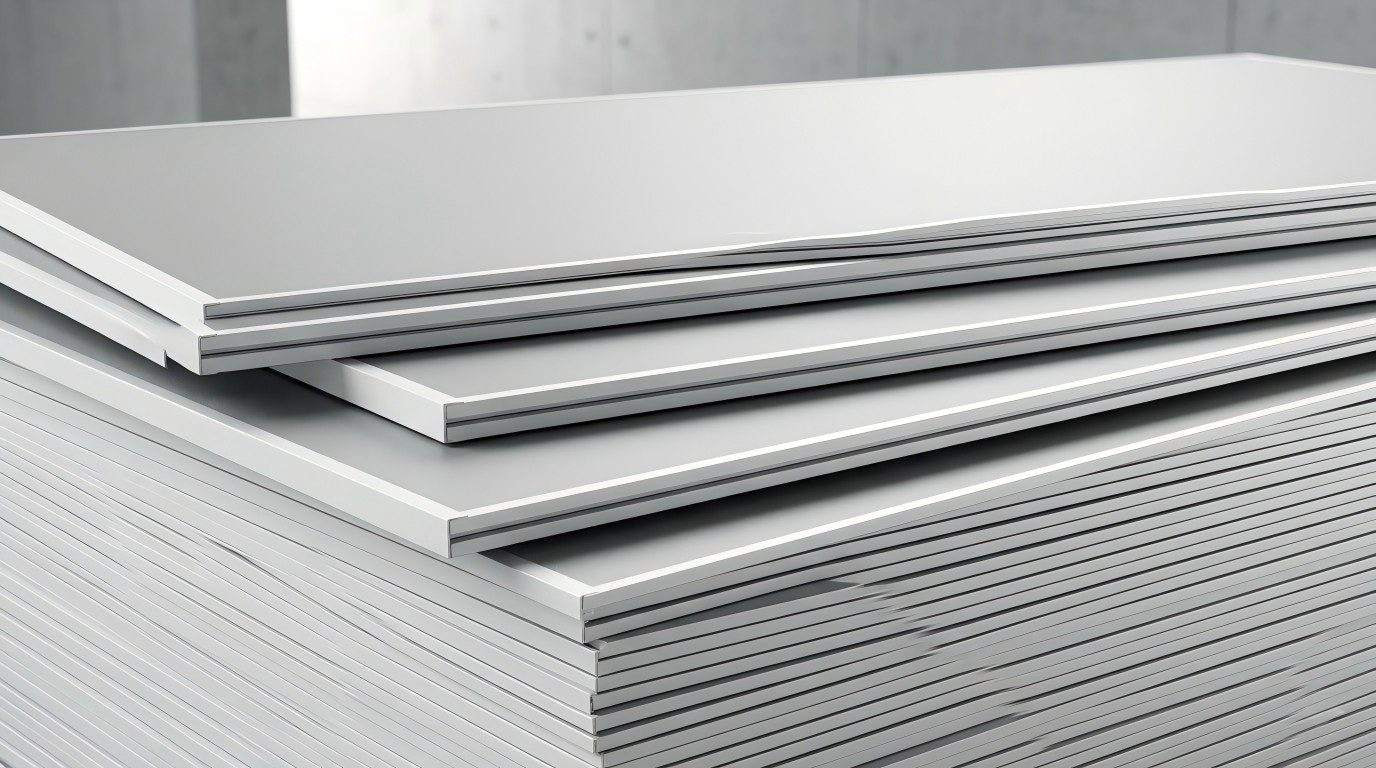
Understanding UL Fire Ratings
Sur la base de nos données internes et de l'analyse du marché, voici la répartition :
| UL Rating Class | Max Internal Temp | Protected Items | Durée du test |
|---|---|---|---|
| Class 350 | 350°F (177°C) | Paper documents | 1 to 4 hours |
| Class 150 | 150°F (66°C) | Magnetic tape, film | 1 to 4 hours |
| Class 125 | 125°F (52°C) | Hard drives, floppy disks | 1 to 4 hours |
Conseil FireSafe Pro : While safes protect your valuables, the room housing the safe should always be lined with high-grade fireproof board to reduce the ambient thermal load on the safe itself.
What does a flame spread of 25 mean?
A flame spread index of 25 indicates a Class A (or Class 1) fire rating, meaning the material is highly resistant to surface burning. Tested under rigorous ASTM E84 standards, a score of 25 or lower demonstrates that the material will significantly restrict the rapid progression of fire, ensuring safer evacuation routes.
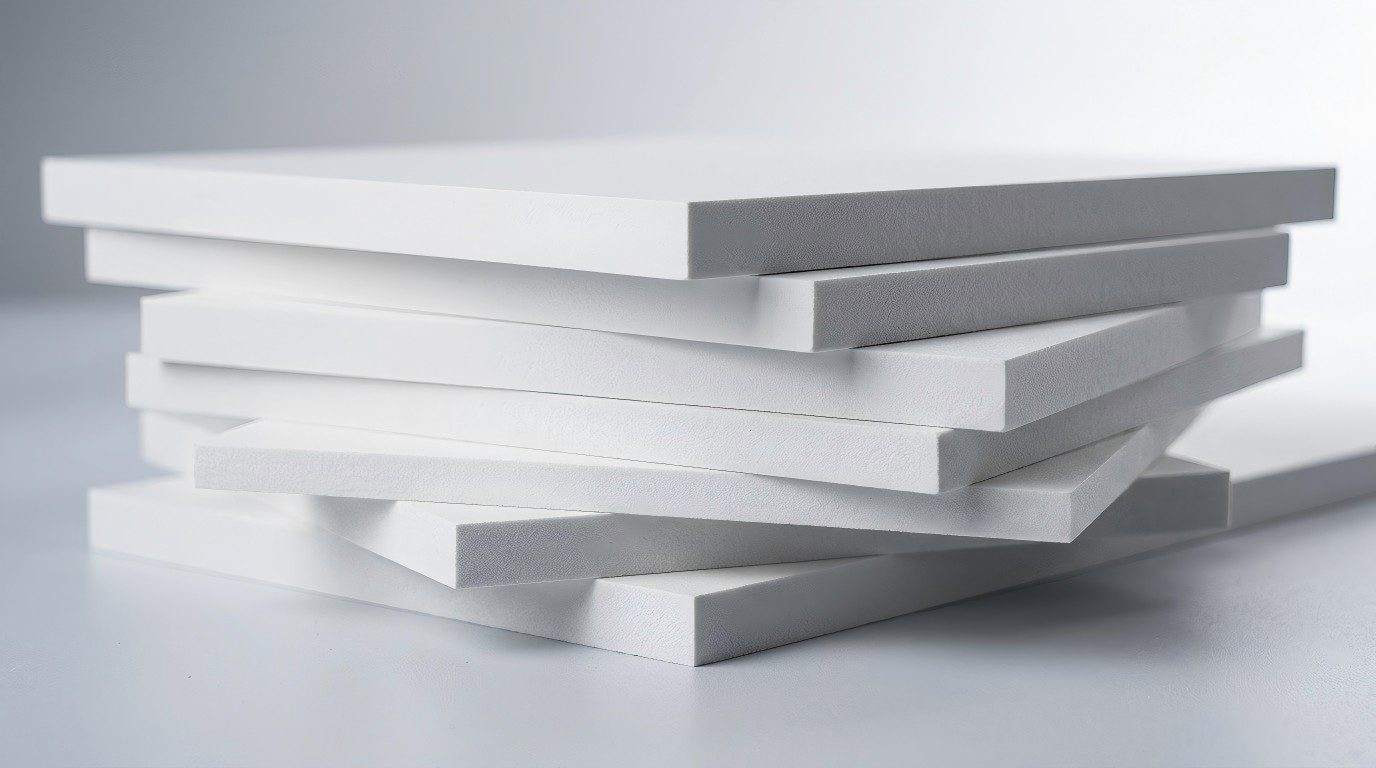
ASTM E84 Flame Spread Index (FSI) Explained
Sur la base de nos données internes et de l'analyse du marché, voici la répartition :
| Fire Rating Class | FSI Score Range | Typical Materials | Commercial Application |
|---|---|---|---|
| Class A (Class 1) | 0 - 25 | Fireproof Board, Brick, Asbestos | Required for egress corridors |
| Class B (Class 2) | 26 - 75 | Fire-retardant treated wood | Acceptable for some office spaces |
| Class C (Class 3) | 76 - 200 | Standard plywood, drywall | Restricted in commercial zones |
Conseil FireSafe Pro : Always demand the ASTM E84 test certificate from your manufacturer. Achieving a flame spread of 25 is non-negotiable for commercial stairwells and primary escape routes.
Caractéristiques principales et comparaison
Evaluating fireproof boards requires comparing core features such as fire resistance duration, moisture tolerance, and impact strength. Selecting the right board depends on the specific environmental demands of the commercial space, balancing strict regulatory compliance with long-term structural durability and necessary acoustic performance.
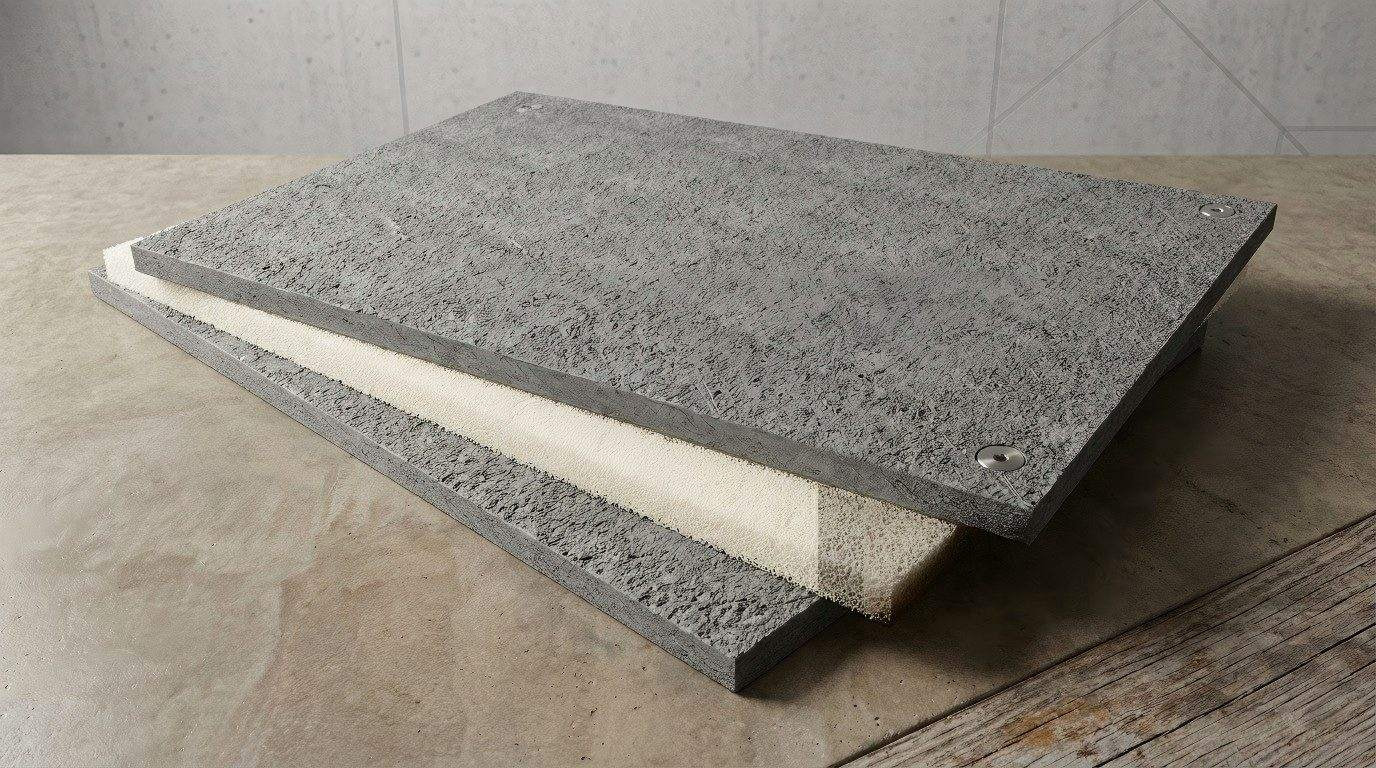
Fireproof Material Performance Matrix
Sur la base de nos données internes et de l'analyse du marché, voici la répartition :
| Type de matériau | Résistance au feu | Résistance à l'humidité | Résistance aux chocs | Profil des coûts |
|---|---|---|---|---|
| Gypse de type X | 1 à 2 heures | Faible | Modéré | Faible |
| Silicate de calcium | 2 à 4 heures | Haut | Haut | Moyen |
| Oxyde de magnésium | 2-4+ Hours | Très élevé | Très élevé | Premium |
Conseil FireSafe Pro : For high-humidity environments like commercial kitchens or basement facilities, always upgrade to Magnesium Oxide boards to prevent mold degradation while maintaining maximum fire resistance.
Coût et facteurs d'achat
The cost of fireproof boards is driven by material composition, thickness, and certified fire ratings. While standard Type X drywall is highly affordable, premium options like magnesium oxide command a higher price but deliver superior longevity, multi-hazard resistance, and reduced long-term maintenance costs.
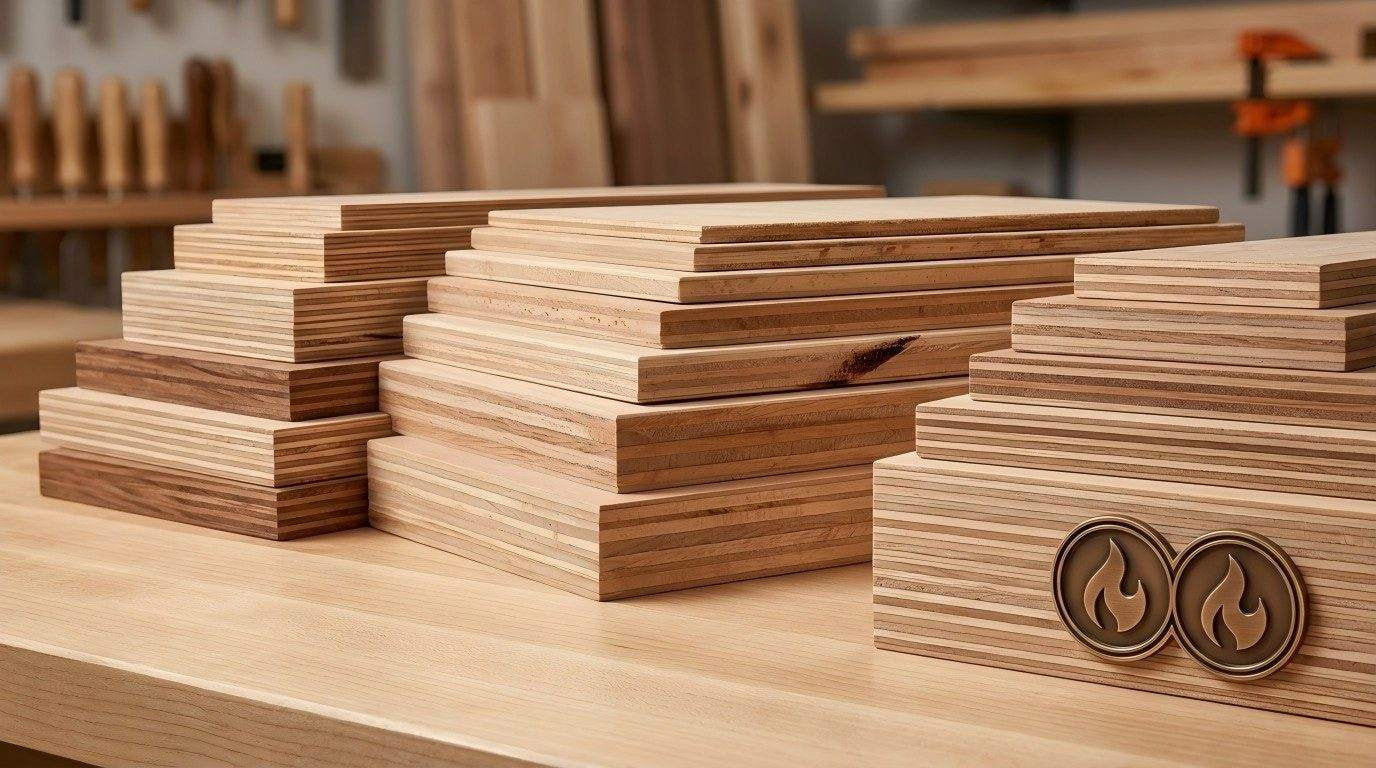
Considérations stratégiques en matière de passation de marchés
- Code Compliance Requirements: Identify the exact hourly fire rating required by local building codes before purchasing to avoid costly re-installations.
- Total Installation Cost: Factor in the cost of specialized fire-rated fasteners, intumescent joint compounds, and certified professional labor.
- Environmental Conditions: Assess if the installation area requires additional moisture, acoustic, or impact resistance, justifying a higher upfront material cost.
Conseil FireSafe Pro : Do not compromise on cheaper, uncertified materials. The liability costs associated with failing a commercial fire inspection far outweigh the premium paid for certified FireSafe standard boards.
Conclusion
Securing commercial properties against fire hazards relies heavily on the strategic implementation of certified fireproof boards. By understanding global standards, material mechanics, and performance ratings, facility managers and construction contractors can ensure optimal life safety, strict regulatory compliance, and lasting peace of mind.
Next Steps for Compliance Integration
- Conduct a comprehensive audit of your current passive fire protection systems and wall assemblies.
- Consult with local fire marshals to verify that your planned materials meet or exceed regional building codes.
- Partner with reputable manufacturers to source boards with verifiable ASTM and UL testing data.
Conseil FireSafe Pro : Safety is a continuous commitment. Schedule annual inspections of your fire-rated partitions to ensure structural shifts or recent renovations haven’t compromised your passive fire barriers.