
Understanding how building materials react to fire is critical for structural safety and regulatory compliance. Fire-rated panels undergo rigorous laboratory testing to determine their combustibility, smoke generation, and flame spread characteristics. By decoding standards like ASTM E84 and Class A certifications, architects and contractors can make informed decisions to ensure life safety and property protection in commercial and residential developments.
What is Fire-rated Panel?
A fire-rated panel is a specialized building material engineered to resist ignition, slow the spread of flames, and minimize smoke production during a fire. These panels are constructed using non-combustible cores or treated surface layers, providing critical passive fire protection that buys occupants time to evacuate safely.
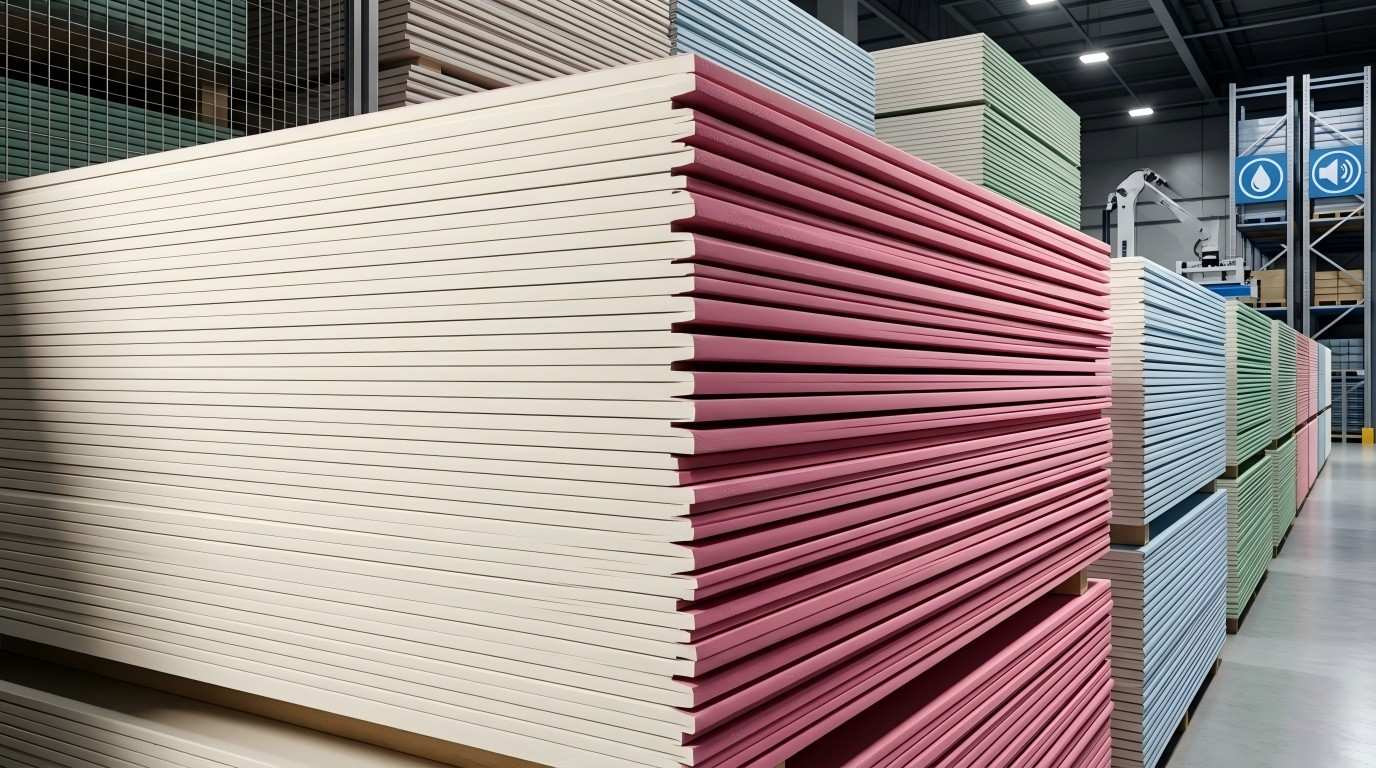
Core Composition and Manufacturing
Fire-rated panels are manufactured using advanced composite technologies. The primary objective is to create a barrier that withstands high temperatures without contributing fuel to a fire.
- Mineral Core (FR): Often made of magnesium oxide or aluminum hydroxide, which releases water vapor when heated.
- Metal Facings: Aluminum or steel skins that encapsulate the core, preventing rapid oxygen exposure.
- Intumescent Coatings: Specialized paints or layers that expand when exposed to heat, forming an insulating char.
FireSafe Pro Tip: Always verify that the fire-rated panel’s certification applies to the entire assembly, not just the individual components, as installation methods significantly impact overall fire resistance.
How Does Fire-rated Panel Work?
Fire-rated panels work by utilizing endothermic chemical reactions and thermal insulation properties to combat heat. When exposed to fire, the core materials absorb thermal energy and release moisture, effectively cooling the panel’s surface while preventing the flames from penetrating through the wall or ceiling assembly.
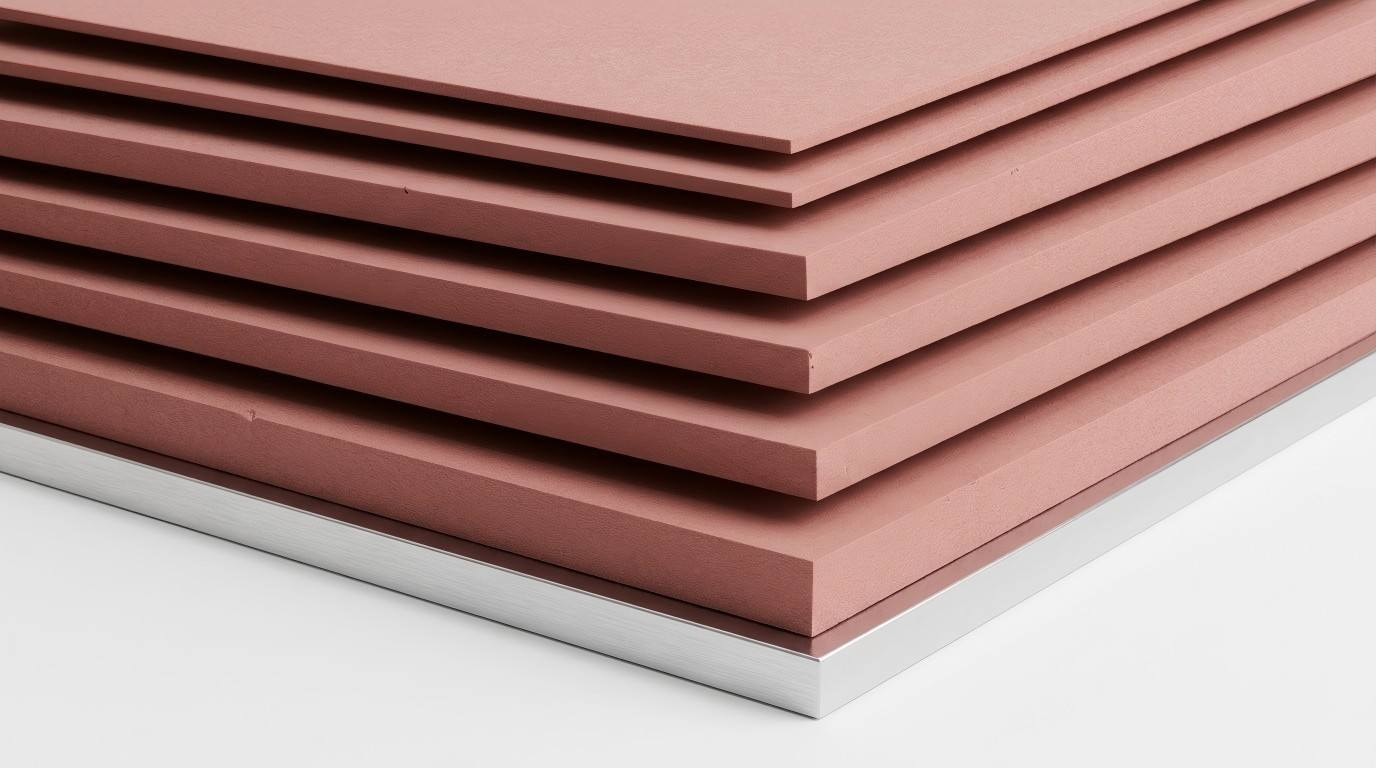
The Mechanics of Passive Fire Defense
The functionality of these panels relies heavily on their physical and chemical responses to extreme heat.
Based on our internal data and market analysis, here is the breakdown:
| Mechanism | Description | Benefit |
|---|---|---|
| Endothermic Reaction | Core compounds release water molecules at high temperatures. | Actively cools the panel and surrounding environment. |
| Thermal Insulation | Dense mineral composition blocks heat transfer. | Protects structural framing from warping or melting. |
| Char Formation | Surface materials carbonize instead of burning away. | Creates a protective shield against direct flame impingement. |
FireSafe Pro Tip: For maximum effectiveness, ensure that all joints and seams between panels are sealed with certified fire-stopping caulks to prevent heat and smoke from bypassing the barrier.
What does ASTM E84 class A mean?
ASTM E84 Class A is the highest fire-safety rating awarded under the standard test method for surface burning characteristics of building materials. It indicates that a fire-rated panel has a Flame Spread Index (FSI) of 0-25 and a Smoke Developed Index (SDI) of 0-450, representing superior fire resistance.
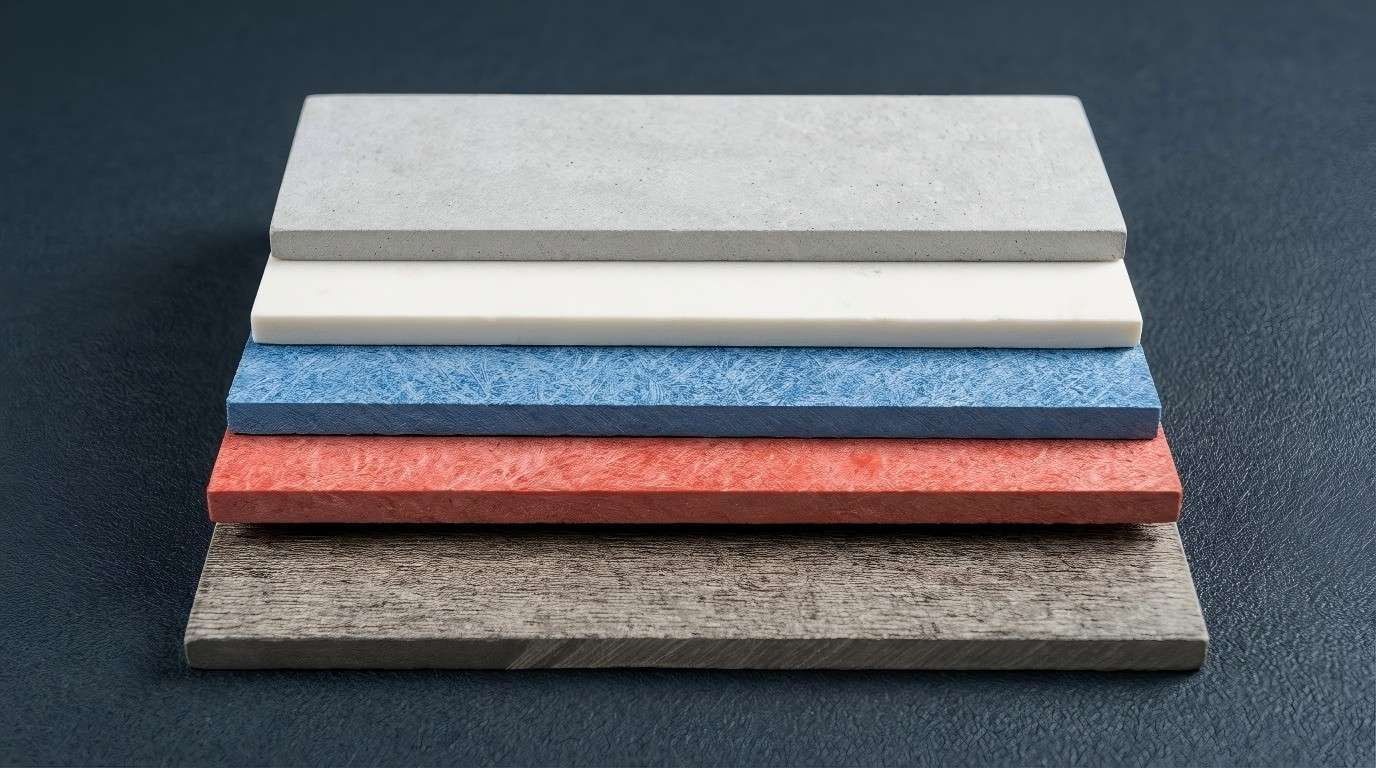
The Steiner Tunnel Test Explained
The ASTM E84 test, often referred to as the Steiner Tunnel Test, evaluates how far and how fast flames spread across the surface of a material, as well as the volume of smoke it produces.
- Sample Placement: A 24-foot long panel sample is mounted to the ceiling of the test tunnel.
- Ignition: A controlled gas flame is applied to one end of the material.
- Measurement: Technicians measure the distance the flame travels and the density of the smoke generated over a 10-minute period.
- Scoring: The results are compared against reinforced cement board (rated 0) and red oak flooring (rated 100).
FireSafe Pro Tip: Achieving an ASTM E84 Class A rating is mandatory for materials used in critical egress areas like corridors, stairwells, and lobbies in commercial buildings.
What is ASTM fire rating class A?
An ASTM Fire Rating Class A signifies that a building material offers the maximum level of protection against surface flame spread. Materials achieving this rating are highly resistant to fire propagation, making them the safest choice for interior wall and ceiling finishes in high-occupancy structures.
Regulatory Significance of Class A Ratings
Building codes rely heavily on ASTM classifications to dictate where specific materials can be installed safely. A Class A rating ensures that the material will not significantly contribute to the rapid spread of a fire.
Based on our internal data and market analysis, here is the breakdown:
| ASTM E84 Class | Flame Spread Index (FSI) | Typical Application |
|---|---|---|
| Class A (Type I) | 0 – 25 | Hospitals, schools, emergency exits, high-rises. |
| Class B (Type II) | 26 – 75 | Commercial office spaces, dining areas. |
| Class C (Type III) | 76 – 200 | Residential rooms, low-occupancy areas. |
FireSafe Pro Tip: Do not confuse ASTM E84 (surface burning) with ASTM E119 (fire resistance of structural assemblies). A Class A panel still needs to be part of an E119-rated assembly for full structural fire ratings.
What is the difference between Class A and Class B fire rating?
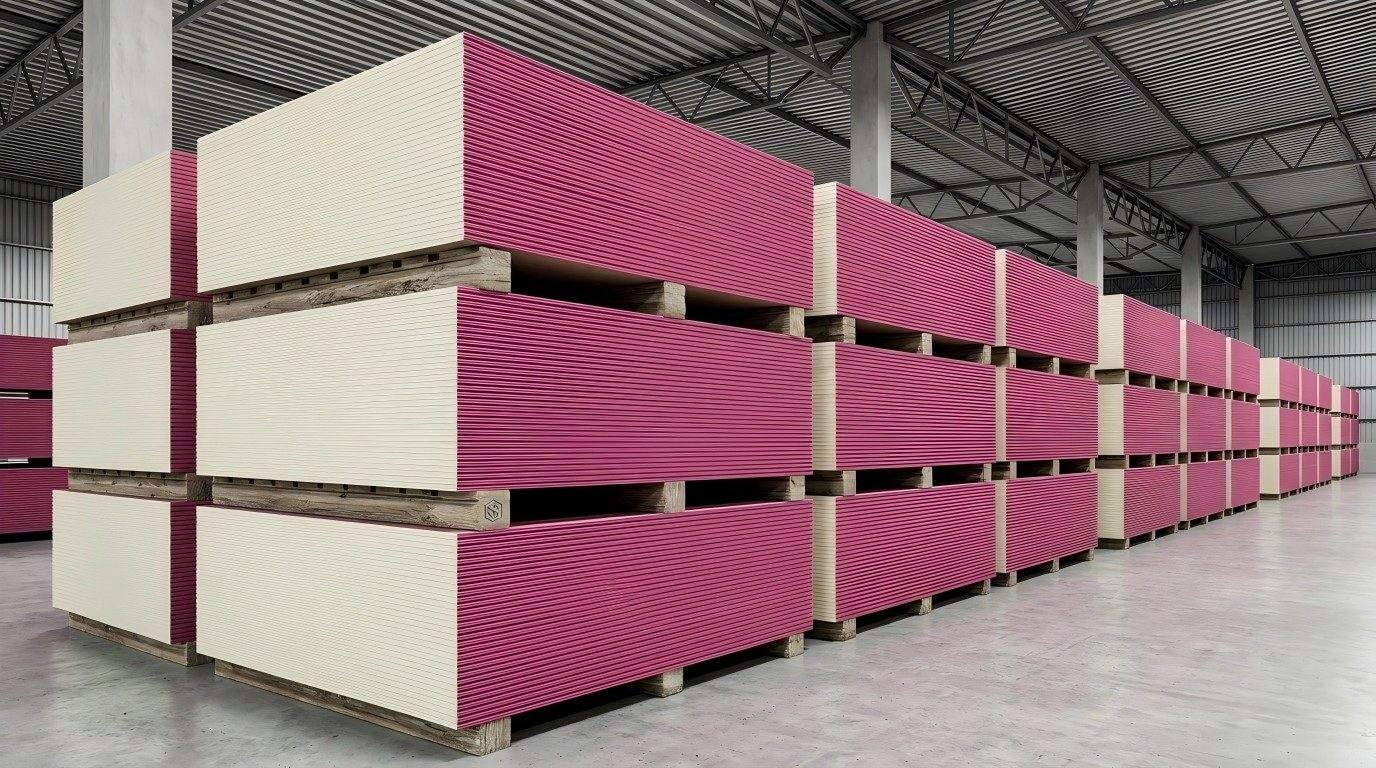
The primary difference between Class A and Class B fire ratings lies in their Flame Spread Index (FSI). Class A materials have an FSI of 0-25, offering the highest fire resistance, while Class B materials have an FSI of 26-75, meaning flames will spread faster and further across their surface.
Performance and Application Variances
While both classes offer a degree of fire protection, their performance metrics dictate entirely different use cases in construction.
- Combustibility Speed: Class A panels severely restrict flame advancement, whereas Class B panels allow moderate flame spread.
- Code Compliance: International Building Code (IBC) mandates Class A materials for critical evacuation routes. Class B is often permissible in standard assembly areas or private offices.
- Material Composition: Class A typically requires mineral cores or heavy intumescent treatments. Class B might be achieved with fire-retardant-treated wood or standard gypsum.
FireSafe Pro Tip: If your budget is tight, strategically use Class A panels in hallways and egress paths, while utilizing Class B panels in individual, low-risk rooms where local codes permit.
Key Features & Comparison
Evaluating the key features of fire-rated panels involves comparing their core materials, weight, moisture resistance, and overall durability. Selecting the right panel requires balancing stringent fire safety requirements with architectural aesthetics, structural load capacities, and the specific environmental conditions of the installation site.
Material Comparison Guide
Different types of fire-rated panels offer unique advantages depending on the project requirements.
Based on our internal data and market analysis, here is the breakdown:
| Panel Type | Fire Resistance Level | Moisture Resistance | Best Used For |
|---|---|---|---|
| FireSafe Mineral Core | Excellent (Class A) | High | Exterior cladding, high-humidity areas. |
| Type X Gypsum | Good (Class A) | Low | Standard interior dry-walling. |
| FR Aluminum Composite | Excellent (Class A) | Very High | Architectural facades, commercial exteriors. |
FireSafe Pro Tip: When choosing a panel for exterior use, ensure it not only meets fire ratings but also possesses high wind-load and weather-resistance certifications to maintain its integrity over time.
Cost & Buying Factors
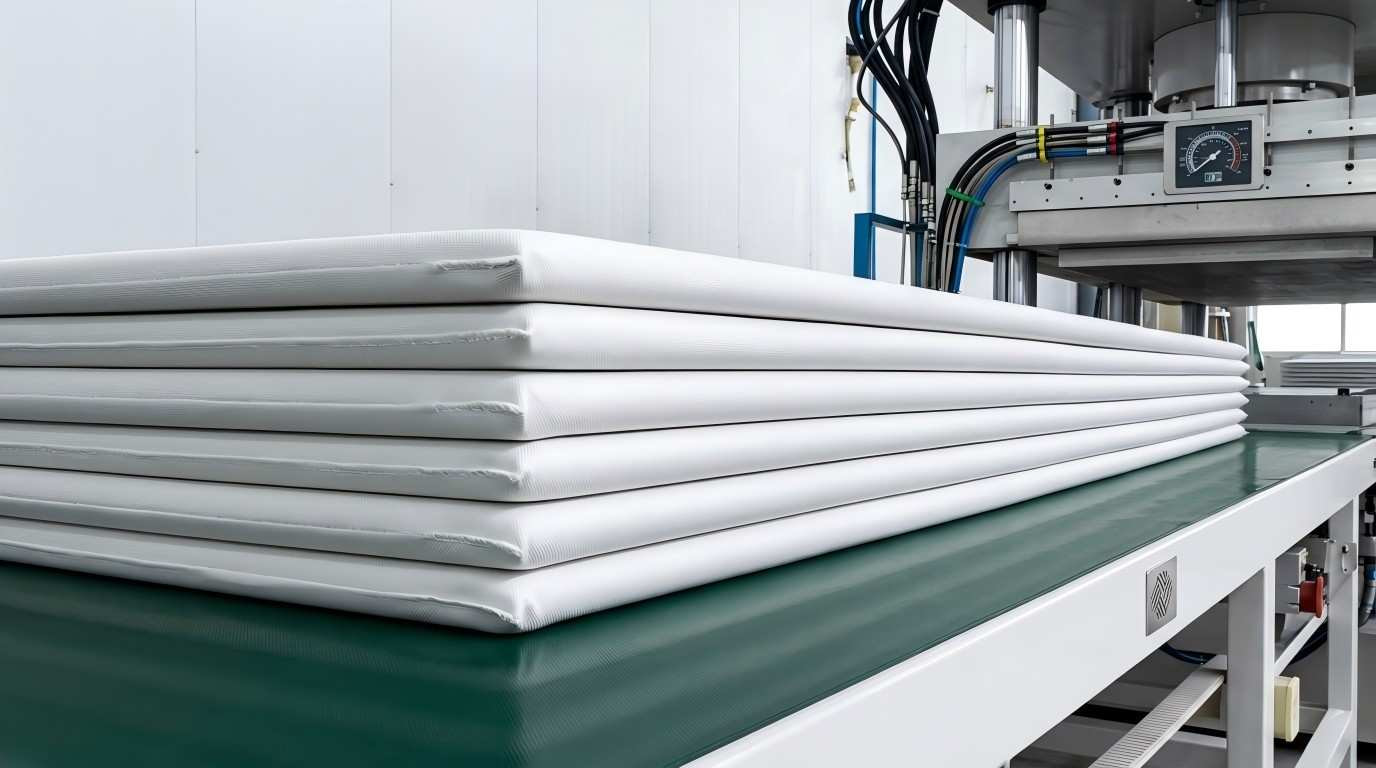
The cost of a fire-rated panel is influenced by its core composition, certification level, and aesthetic finish. While premium Class A panels require a higher initial investment, they significantly reduce insurance premiums and ensure strict compliance with commercial building codes.
Budgeting for Fire Safety
When procuring fire-rated panels, buyers must look beyond the per-square-foot price and consider the total lifecycle cost of the installation.
- Material Costs: Mineral-core and FR-ACM panels generally cost 20-40% more than standard non-rated alternatives.
- Installation Expenses: Specialized fastening systems and fire-rated sealants add to the labor and material budget.
- Insurance Benefits: Installing Class A FireSafe panels often yields long-term savings through reduced property insurance rates.
- Compliance Testing: Ensure the manufacturer provides easily accessible ASTM E84 documentation to avoid costly inspection delays.
FireSafe Pro Tip: Request a mock-up installation and a comprehensive review of the manufacturer’s testing reports before committing to a bulk purchase for large-scale commercial projects.
Conclusion
Understanding how fire-rated panels are tested and decoding standards like ASTM E84 is essential for modern construction and architectural design. By prioritizing Class A certified materials, builders can effectively protect lives, secure their property investments, and ensure total regulatory compliance across all commercial and residential projects.
Final Thoughts on Fire Safety Integration
Passive fire protection is a non-negotiable aspect of building design.
- Prioritize ASTM E84 Class A materials for maximum safety.
- Always pair high-quality panels with certified installation methods.
- Consult with fire safety engineers early in the design phase.
FireSafe Pro Tip: Stay proactive by scheduling annual inspections of your building’s fire-rated assemblies to ensure no panels have been compromised by subsequent maintenance or structural shifts.