Incorporating high-performance fire-rated boards into building designs is a critical step for enhancing structural integrity and ensuring robust life safety systems. These specialized materials are engineered to withstand extreme temperatures, compartmentalize flames, and provide essential evacuation time during emergencies. By integrating these advanced 受動的防火 solutions, architects and facility managers can meet stringent safety codes while safeguarding both occupants and valuable property.
What is Fire?
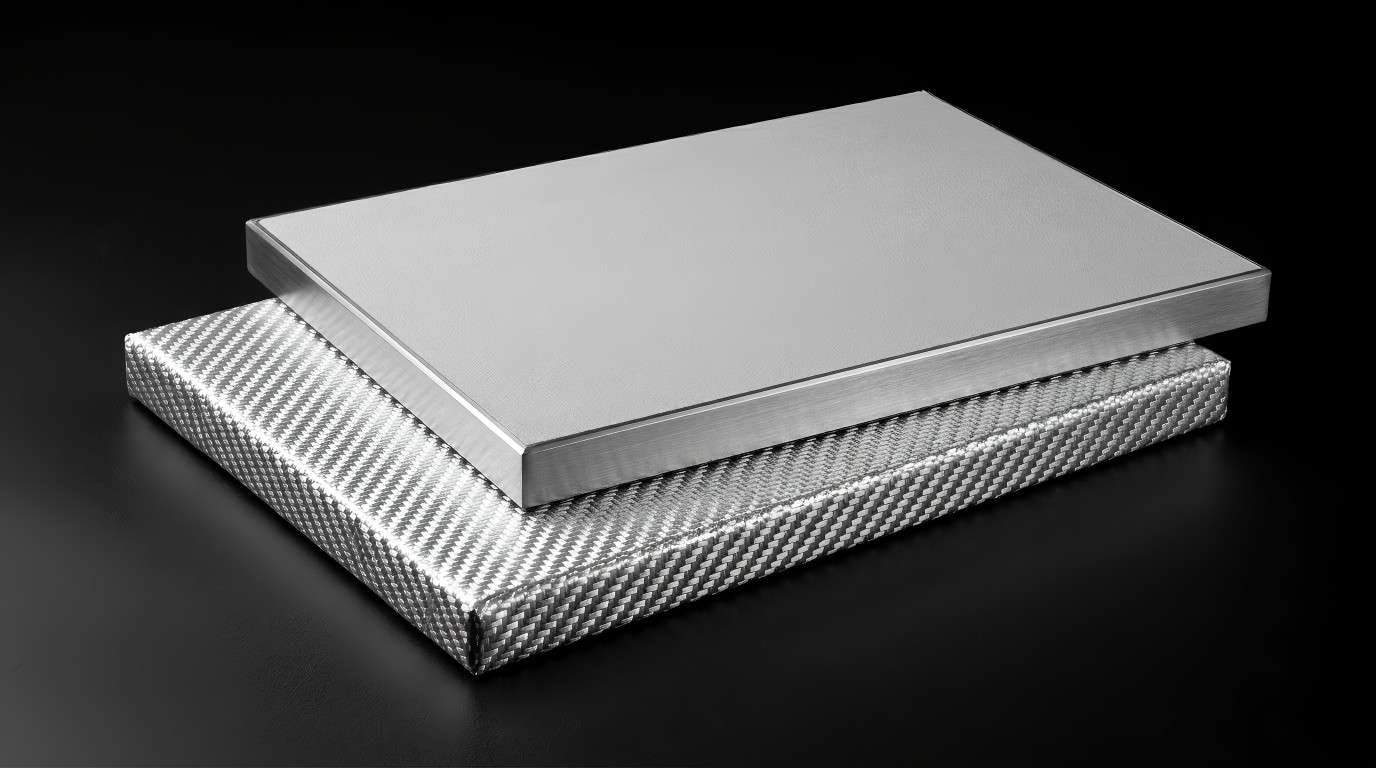
Fire is a rapid chemical reaction known as combustion, requiring fuel, heat, and oxygen to sustain itself. In the context of building safety, uncontrolled fire threatens structural stability and human life, making the containment capabilities of fire-rated boards an absolute necessity for modern architectural design.
The Fire Triangle and Structural Vulnerability
To effectively protect a building, one must understand the fundamental components that allow a fire to thrive. Fire-rated materials are specifically designed to disrupt these elements or withstand the resulting thermal shock.
- Fuel Source: Combustible materials within a building. Fire-rated boards act as non-combustible barriers that do not contribute to the fuel load.
- Oxygen Supply: Fires need oxygen to breathe. Proper compartmentalization restricts airflow to the ignition zone.
- Heat Generation: Intense thermal energy weakens structural steel and wood. Protective boards insulate these load-bearing elements.
FireSafe Pro Tip: Always ensure that any gaps or joints between fire-rated boards are sealed with intumescent acoustic sealants to prevent heat and smoke from bypassing the barrier.
How Does Fire Work?
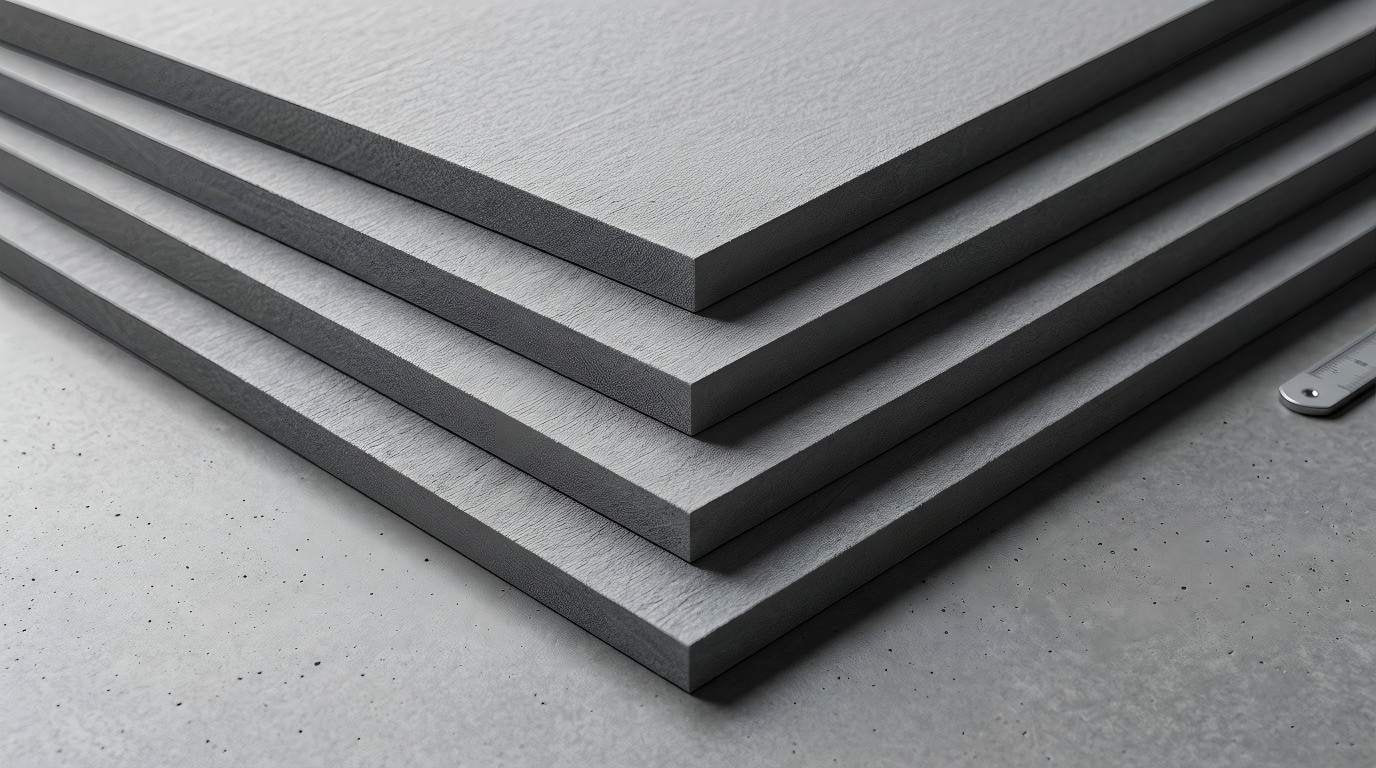
Fire spreads through conduction, convection, and radiation, rapidly moving across unprotected structural elements. Fire-rated boards work by absorbing thermal energy, releasing chemically bound moisture, and forming a rigid, insulating char layer that actively prevents flames and extreme temperatures from penetrating adjacent building compartments.
Mechanisms of Fire Spread and Containment
Understanding the mechanics of fire propagation is essential for implementing effective passive fire protection. Fire-rated boards are tested against rigorous time-temperature curves to ensure they can counteract these spreading mechanisms.
Based on our internal data and market analysis, here is the breakdown:
| Heat Transfer Method | Fire Behavior | FireSafe Board Countermeasure |
|---|---|---|
| Conduction | Heat travels through solid building materials. | Low thermal conductivity materials prevent heat transfer to unexposed sides. |
| Convection | Superheated gases rise and spread through cavities. | Seamless board installation blocks the movement of hot gases and smoke. |
| Radiation | Electromagnetic waves ignite nearby combustible items. | Reflective and insulating board properties shield adjacent areas from radiant heat. |
FireSafe Pro Tip: When designing for convection risks, pay special attention to HVAC penetrations and ensure fire dampers are installed flush with your fire-rated board assemblies.
What are the benefits of Fire?
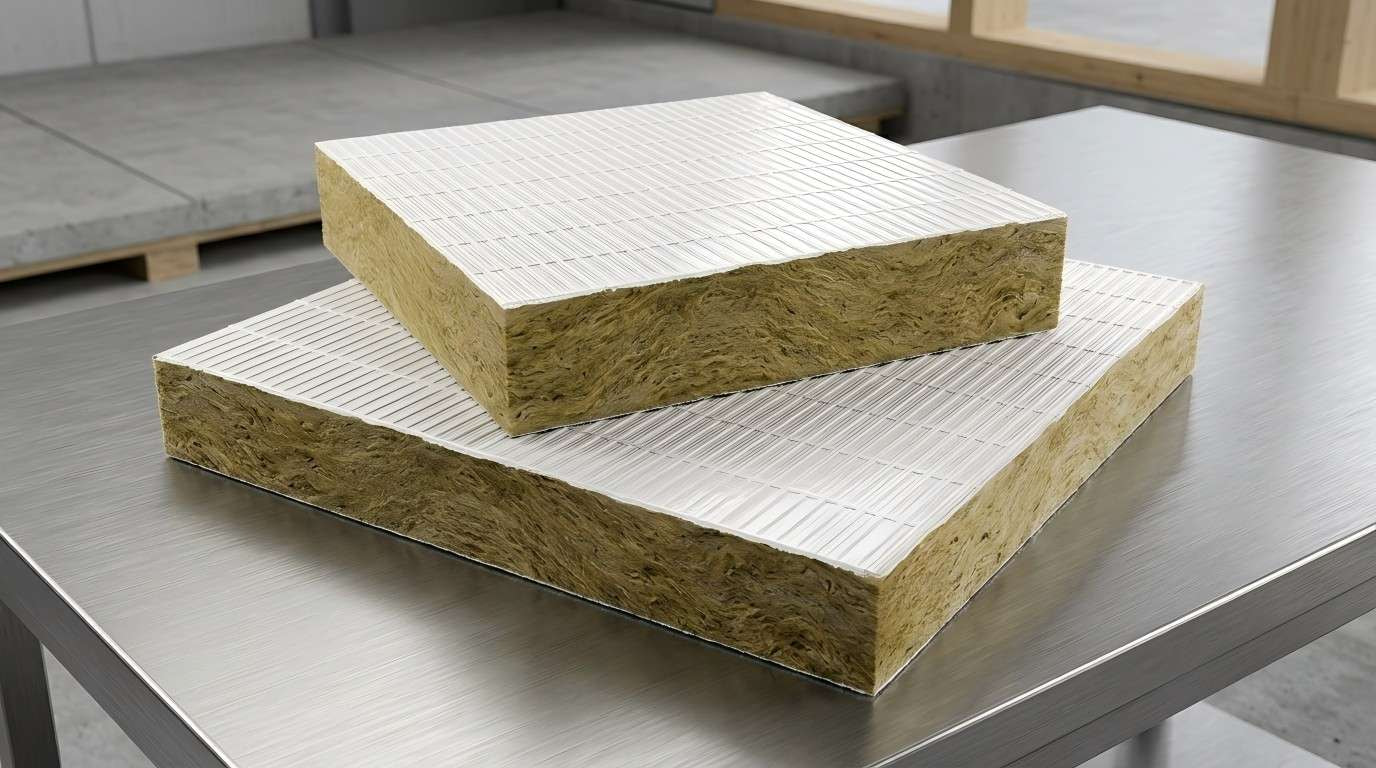
The primary benefits of installing high-quality fire-rated boards include significantly extended evacuation times, fortified structural integrity, and minimized property damage. These boards create secure compartments that restrict smoke and flame spread, directly contributing to life safety and ensuring strict compliance with local building codes.
Comprehensive Safety and Structural Advantages
Investing in premium fire-rated solutions yields compounding benefits for both the building owner and its occupants. Beyond mere compliance, these systems offer tangible operational advantages.
- Enhanced Life Safety: Buys critical time for occupants to safely evacuate and for emergency responders to arrive.
- Asset Protection: Limits fire damage to the room of origin, drastically reducing repair costs and downtime.
- Acoustic Insulation: Many fire-rated boards naturally dampen sound transmission, improving the acoustic comfort of interior spaces.
- Moisture Resistance: Advanced formulations resist mold and moisture, making them suitable for damp environments like basements and elevator shafts.
FireSafe Pro Tip: Leverage the dual-purpose nature of modern fire-rated boards; use them in high-traffic corridors to achieve both your required fire rating and superior impact resistance.
How to maintain a Fire?
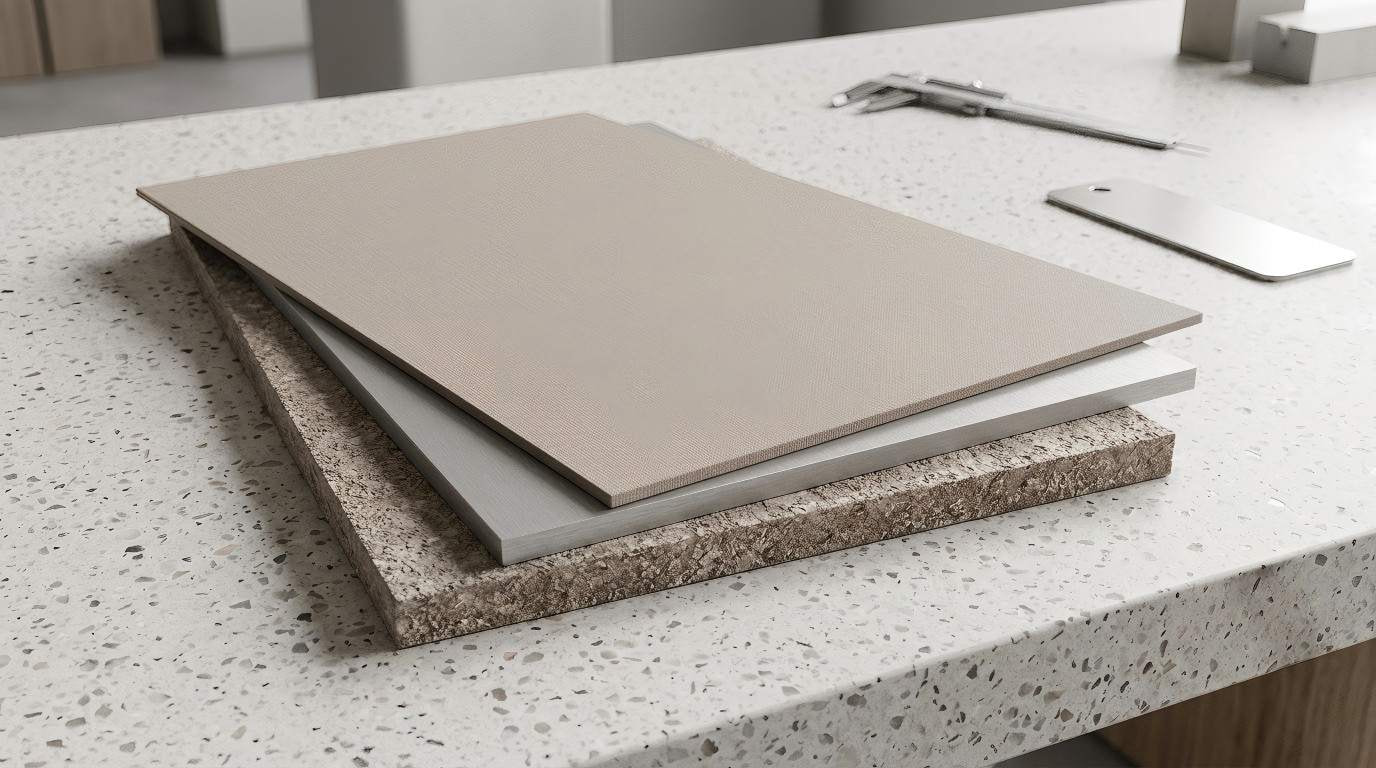
Maintaining your fire-rated board systems requires regular visual inspections, immediate repair of physical damage, and ensuring that no unauthorized penetrations compromise the barrier. Consistent upkeep guarantees that the passive fire protection system will perform flawlessly and maintain its certified fire resistance rating during an emergency.
Essential Maintenance Protocols for Passive Systems
While fire-rated boards are durable, their integrity can be compromised by subsequent building modifications, plumbing updates, or electrical work. A proactive maintenance schedule is essential.
- Annual Inspections: Conduct a thorough visual audit of all fire-rated walls and ceilings at least once a year.
- Penetration Management: Whenever new cables or pipes are run through a fire-rated board, immediately seal the opening with an approved firestop system.
- Moisture Monitoring: Check for signs of water damage, which can degrade the structural integrity of certain gypsum-based boards over time.
- Documentation: Keep detailed logs of all inspections, repairs, and modifications to maintain a clear compliance trail.
FireSafe Pro Tip: Establish a strict permit-to-work system for contractors to ensure no one drills into or alters your fire-rated assemblies without proper firestopping protocols in place.
What is the price of Fire?
The price of fire-rated boards typically ranges from $15 to $45 per panel, depending on the material composition, thickness, and specific fire resistance rating required. While advanced calcium silicate or magnesium oxide boards cost more upfront, they offer superior durability and longer-term value.
Cost Breakdown by Material Type
Budgeting for passive fire protection requires balancing initial material costs against performance longevity and installation labor. Understanding the price tiers helps project managers make informed sourcing decisions.
Based on our internal data and market analysis, here is the breakdown:
| Board Material | Average Cost per Panel (4’x8′) | Best Application |
|---|---|---|
| Fire-Rated Gypsum (Type X) | $15 – $25 | Standard interior walls and residential ceilings. |
| ケイ酸カルシウム | $30 – $50 | High-moisture areas and commercial duct enclosures. |
| Magnesium Oxide (MgO) | $35 – $60 | Structural subflooring and extreme heat environments. |
| Cementitious Boards | $25 – $45 | Exterior sheathing and heavy-duty industrial zones. |
FireSafe Pro Tip: Do not solely focus on the per-panel cost; factor in the labor savings of boards that are easier to cut and require fewer layers to achieve the desired fire rating.
Key Features & Comparison
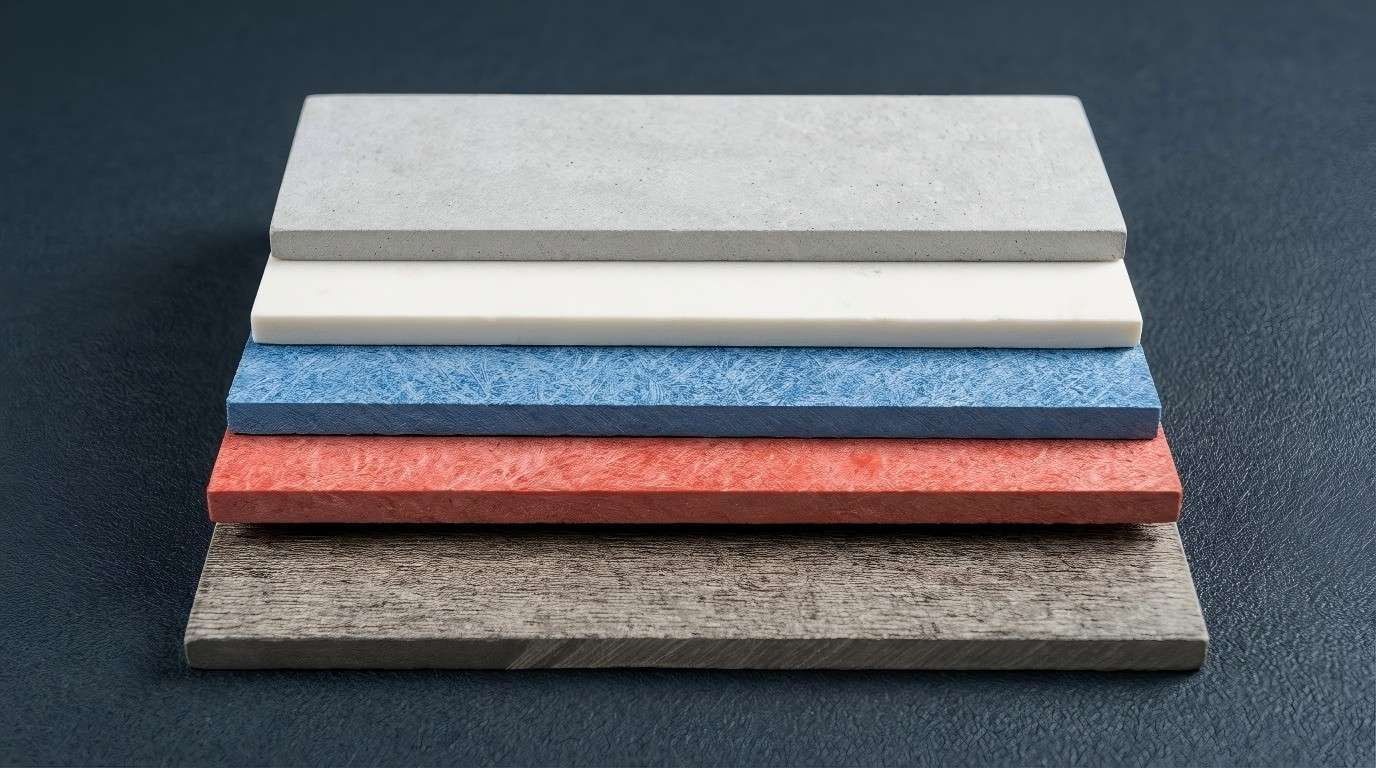
Comparing fire-rated boards reveals significant variations in core features such as fire endurance time, moisture resistance, and structural load capacity. Selecting the right board depends on matching these specialized features to the specific environmental and regulatory demands of your building project.
Analyzing Performance Specifications
It is crucial to evaluate the technical specifications of different fire-rated boards to ensure they meet the unique demands of your structural design.
Based on our internal data and market analysis, here is the breakdown:
| 特徴 | FireSafe Premium Board | Standard Type X Gypsum |
|---|---|---|
| Fire Rating | Up to 4 Hours | 1 to 2 Hours |
| 耐湿性 | High (No swelling/rot) | Low (Prone to mold) |
| Impact Resistance | Severe Duty | Standard Duty |
| Acoustic Rating (STC) | 55+ | 35 – 40 |
FireSafe Pro Tip: Always verify that the specific board you select has been tested and certified by recognized independent laboratories like UL or Intertek for your exact wall assembly configuration.
Cost & Buying Factors
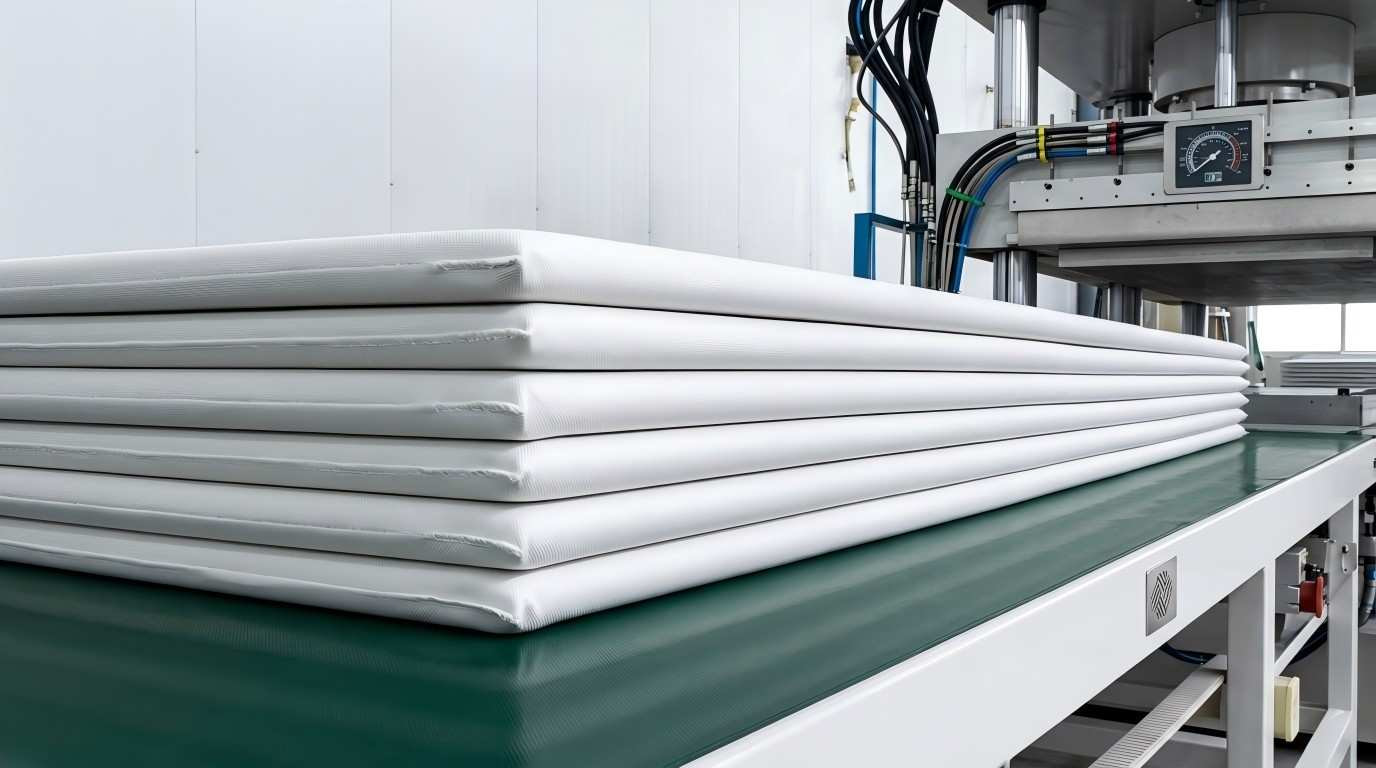
When calculating the total investment for fire-rated board installations, buyers must consider material costs, specialized firestop sealants, and skilled labor. Additionally, local building code requirements and the complexity of the architectural design will significantly influence the overall project budget and material selection.
Strategic Procurement Considerations
To optimize your budget without compromising on life safety systems, consider the holistic costs associated with passive fire protection.
- Code Compliance: Ensure the selected materials meet or exceed the specific hourly ratings mandated by local building authorities.
- Labor Efficiency: Some boards are lighter and easier to score and snap, drastically reducing expensive installation hours.
- System Compatibility: Factor in the cost of proprietary joint compounds, screws, and intumescent sealants required to validate the manufacturer’s warranty.
- Shipping and Handling: Heavy cementitious or MgO boards may incur higher freight charges and require specialized lifting equipment on site.
FireSafe Pro Tip: Purchase your fire-rated boards, screws, and sealants as a complete, tested system from a single manufacturer to guarantee compatibility and simplify compliance documentation.
結論
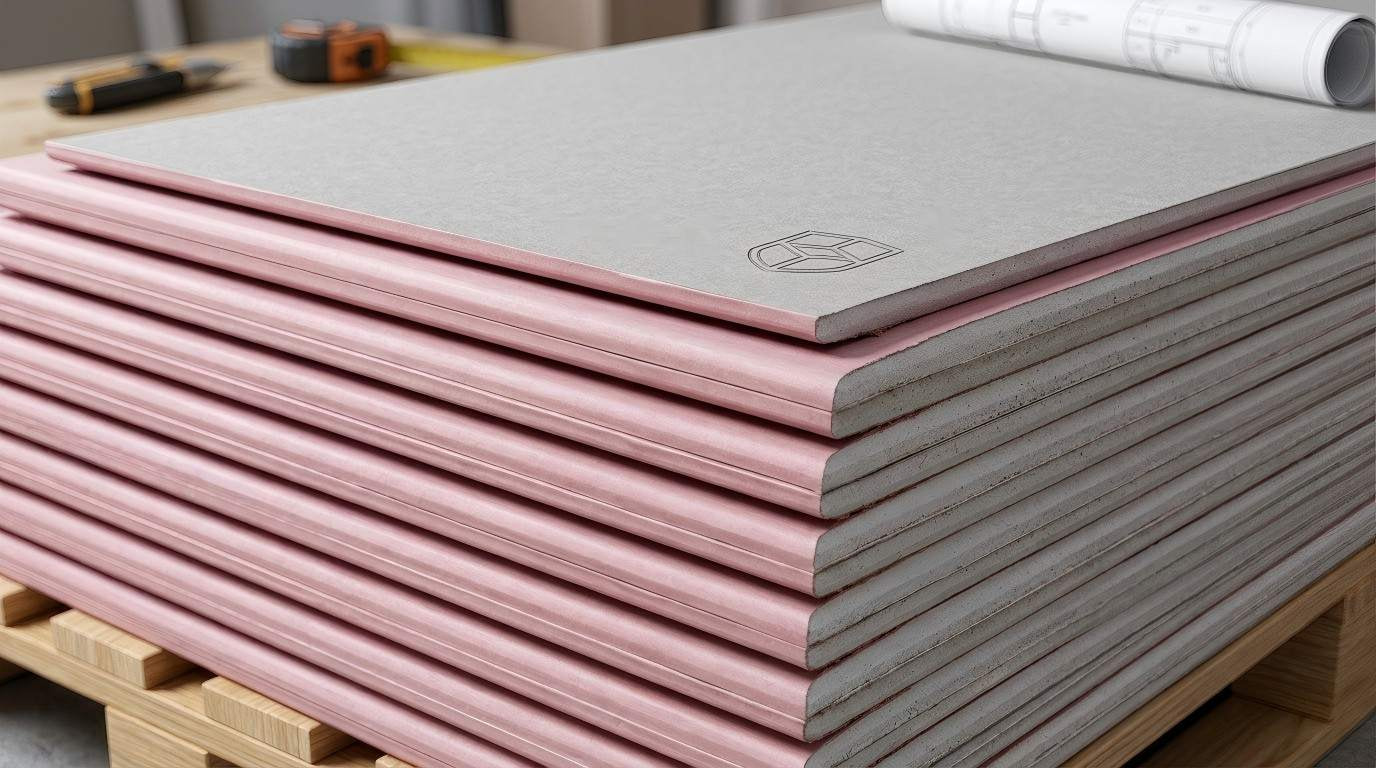
Integrating premium fire-rated boards into your construction projects is a non-negotiable investment in structural integrity and life safety. By understanding fire dynamics, selecting the appropriate materials, and maintaining strict installation standards, you create a resilient environment that protects both property and human life.
Final Thoughts on Passive Fire Protection
The implementation of a robust fire-rated board system forms the backbone of modern building safety. As architectural designs become more complex, the reliance on dependable passive fire protection will only grow.
- Prioritize life safety by exceeding minimum code requirements whenever possible.
- Commit to ongoing maintenance and inspection of all fire-rated assemblies.
- Partner with industry-leading manufacturers for reliable materials and technical support.
FireSafe Pro Tip: Don’t wait for the final inspection to verify your passive fire systems. Conduct progressive quality checks throughout the drywalling phase to avoid costly tear-downs and ensure flawless structural integrity.