Integrating high-performance fire-rated boards into modern construction projects is a critical strategy for enhancing building safety, ensuring regulatory compliance, and protecting structural integrity. These advanced materials provide essential proteção passiva contra incêndios, compartmentalizing flames and smoke to allow safe evacuation. By prioritizing specialized fire-resistant solutions, architects and builders significantly reduce property damage risks while meeting the rigorous demands of contemporary building codes.
Video Guide: Discover the essential benefits and life-saving properties of installing fire-rated gypsum boards in residential and commercial spaces.
O que é uma placa resistente ao fogo?
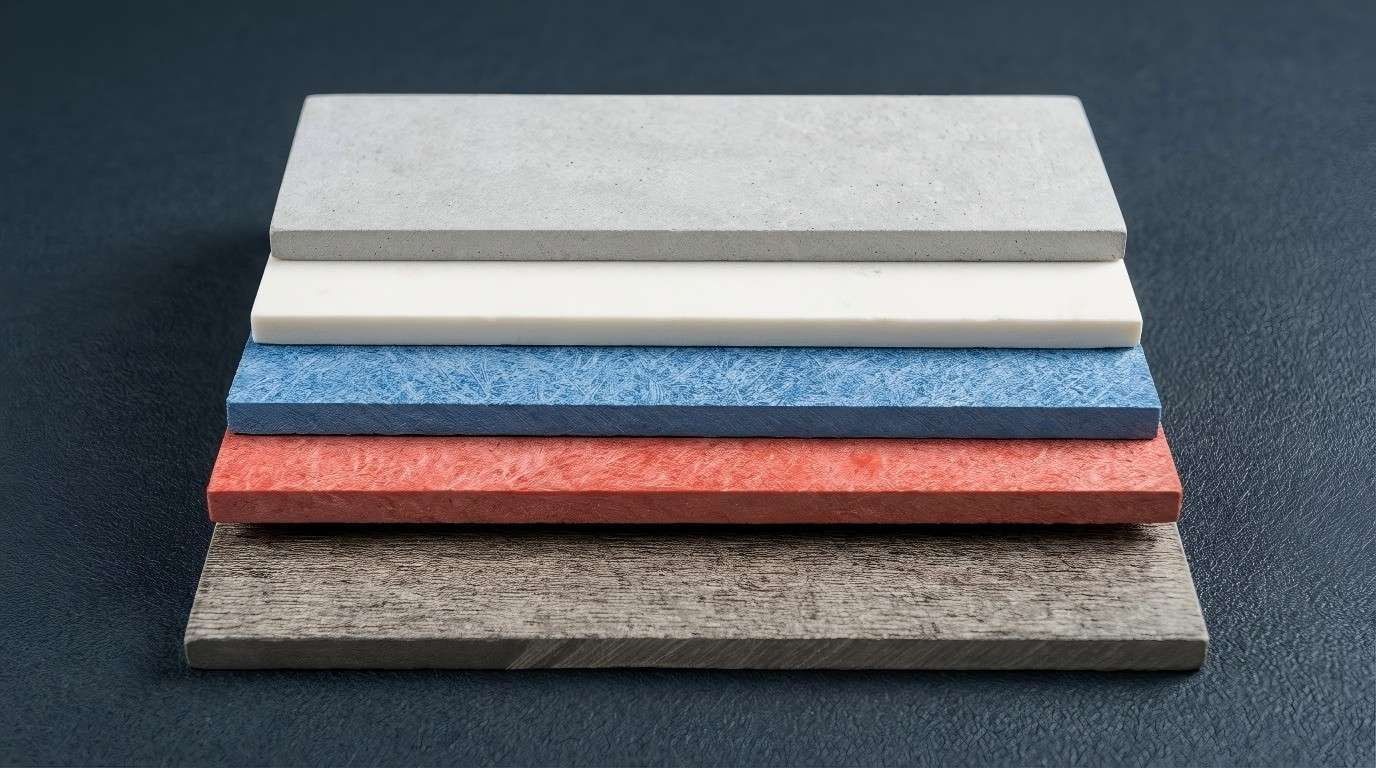
A fire-rated board is a specialized construction material engineered to resist high temperatures and prevent the spread of fire, smoke, and toxic gases. Formulated with non-combustible cores like gesso, silicato de cálcio, or magnesium oxide, these boards serve as the primary physical barrier in passive fire protection systems.
Composition and Material Innovations
Modern fire-rated boards are manufactured using advanced chemical compositions that inherently resist combustion. During a fire event, the structural integrity of standard drywall fails rapidly, whereas fire-rated alternatives maintain their form to block flames and insulate adjacent spaces.
- Gesso Tipo X: Contains glass fibers that interlock to maintain structural integrity as the gypsum calcines under extreme heat.
- Silicato de cálcio: Offers exceptional moisture resistance alongside high-temperature endurance, making it ideal for industrial applications.
- Óxido de magnésio (MgO): A highly durable, eco-friendly option that provides superior fire resistance, impact strength, and acoustic insulation.
Dica FireSafe Pro: Always check the Underwriters Laboratories (UL) or equivalent regional certification stamp on the back of the board to verify its specific hourly fire rating before installation.
Como funciona uma placa resistente ao fogo?
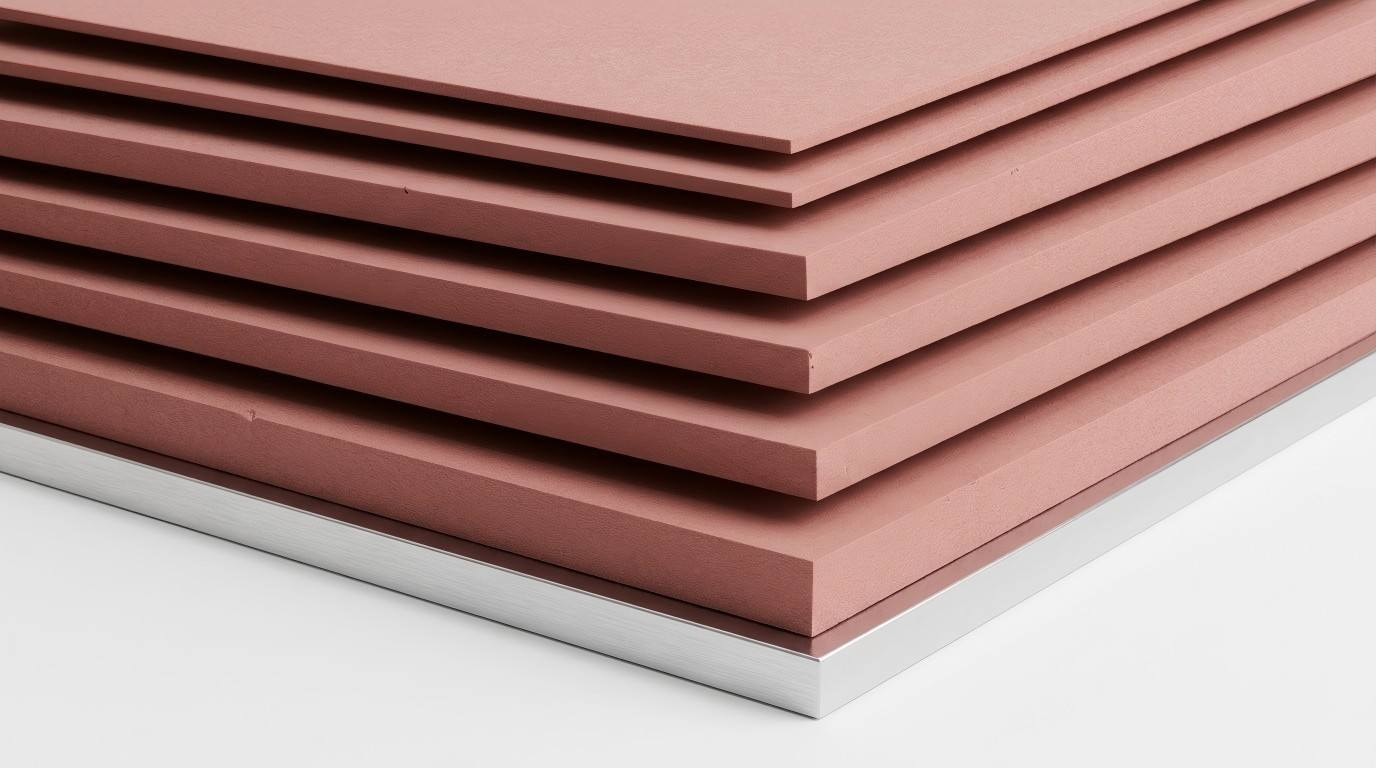
Fire-rated boards function through a process called calcinação, where the chemically bound water within the board’s core is released as steam when exposed to intense heat. This reação endotérmica actively cools the surrounding environment and delays the transfer of heat to the underlying structural framing.
Os mecanismos da resistência térmica
The effectiveness of a fire-rated board relies on its ability to absorb heat energy rather than transferring it. When the surface temperature rises, the crystalline water inside the board vaporizes. This steam barrier prevents the opposite side of the wall from reaching ignition temperatures.
- Exposição inicial: The board surface encounters direct flame, triggering the release of chemically combined water.
- Arrefecimento endotérmico: The conversion of water to steam absorbs massive amounts of heat energy from the fire.
- Fiber Interlocking: As the core shrinks and dehydrates, embedded glass fibers hold the remaining structure together, preventing collapse.
- Barrier Maintenance: The intact board continues to block smoke and toxic gases from penetrating adjacent rooms.
Dica FireSafe Pro: To maximize the calcination cooling effect, ensure all joints and screw heads are sealed with fire-rated joint compound and tape; an unsealed joint is a weak point where fire can bypass the board entirely.
What are the 4 P’s of fire safety?
The 4 P’s of fire safety constitute a comprehensive framework for building protection: Prevent, Plan, Protect, and Practice. This methodology ensures that physical safeguards, like fire-rated boards, work in tandem with human protocols to minimize risk and maximize survival during a fire emergency.
Integrating the 4 P’s in Modern Construction
Achieving optimal fire safety requires a holistic approach that balances material science with operational readiness. Fire-rated boards are a foundational element of the “Protect” phase, but they must be supported by the other three pillars to be fully effective in a real-world scenario.
- Prevenir: Identifying and eliminating fire hazards, such as faulty electrical wiring or the improper storage of combustible materials.
- Plano: Developing clear, accessible evacuation routes and emergency response strategies for all building occupants.
- Protect: Installing active systems (like sprinklers) and passive systems (such as FireSafe fire-rated boards) to contain and suppress flames.
- Exercício: Conducting regular fire drills and system maintenance checks to ensure both occupants and equipment are ready.
Dica FireSafe Pro: When designing your “Protect” strategy, never substitute standard drywall in areas requiring fire separation; building codes mandate specific hourly ratings for egress corridors to guarantee safe evacuation time.
What are the advantages of performance-based design?
Performance-based design offers unparalleled flexibility by focusing on the actual fire-resistance outcomes rather than strictly adhering to prescriptive building codes. This approach allows architects to utilize innovative layouts and advanced fire-rated boards to achieve superior safety metrics tailored to a building’s unique geometry.
Flexibility and Cost-Efficiency in Engineering
Traditional prescriptive codes dictate exactly how a building must be constructed, which can limit architectural creativity and increase construction costs. Performance-based design evaluates how a building will actually perform in a fire scenario using advanced computer modeling and fire dynamics simulation.
- Customized Safety: Tailors fire protection strategies to the specific risks, layout, and occupancy types of the structure.
- Architectural Freedom: Permits open floor plans and unique aesthetics by proving alternative fire-rated board configurations meet or exceed safety goals.
- Resource Optimization: Often reduces unnecessary material costs by placing high-performance fire barriers precisely where they are needed most.
Dica FireSafe Pro: Engage a fire protection engineer early in the design phase; their fire modeling data will dictate exactly which thickness of FireSafe board is required to meet your performance-based objectives.
What are examples of PFP systems?
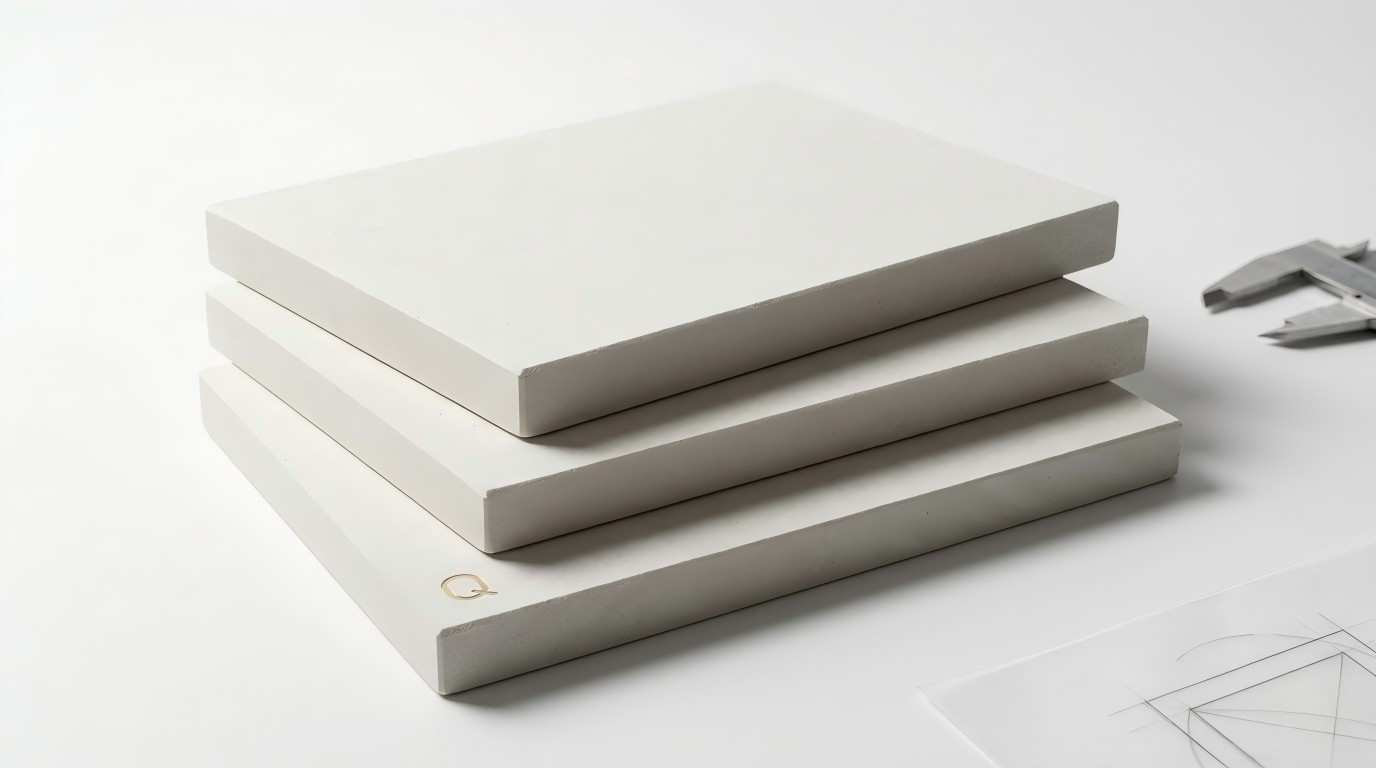
Passive Fire Protection (PFP) systems are stationary structural safeguards designed to contain fires and slow their spread. Common examples include fire-rated walls and ceilings constructed with fire-rated boards, intumescente coatings, fire doors, fire-stopping sealants, and fire dampers installed within HVAC ductwork.
Core Components of Passive Fire Protection
PFP systems do not require motion or external activation to function. Instead, they rely on the inherent properties of the materials used. By compartmentalizing a building into manageable fire zones, these systems protect the structural steel and provide vital time for emergency responders.
- Compartmentalization: Using FireSafe fire-rated boards to build firewalls that divide a building into isolated, manageable fire zones.
- Structural Fire Protection: Applying intumescent paint or encasing steel beams in fire-rated boards to prevent structural collapse under high heat.
- Opening Protection: Installing certified fire-rated doors and windows within fire-resistance-rated walls.
- Firestopping: Sealing penetrations (like plumbing or electrical conduits) with specialized intumescent caulks and putties to maintain the wall’s integrity.
Dica FireSafe Pro: A PFP system is only as strong as its weakest link. Ensure that any contractor cutting holes in your fire-rated board for plumbing or electrical work properly seals the penetration with a certified firestop product.
Principais caraterísticas e comparação
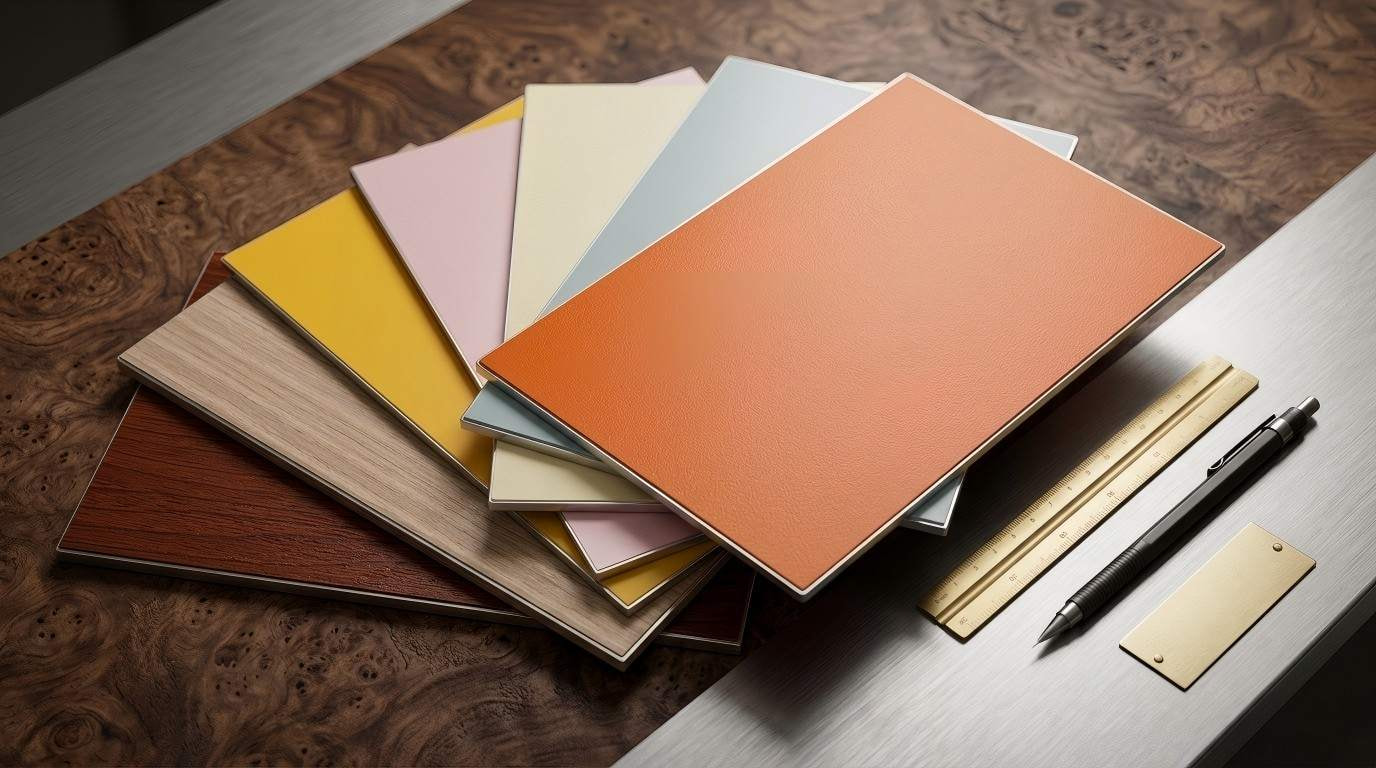
Selecting the correct fire-rated board requires analyzing specific environmental needs, structural demands, and budget constraints. Different board formulations offer distinct advantages in terms of fire endurance, moisture resistance, and acoustic dampening capabilities.
Matriz de Desempenho dos Materiais
To make an informed decision, it is crucial to compare the leading types of fire-rated boards available on the market to ensure they align with your project’s specific requirements.
Com base nos nossos dados internos e na análise do mercado, eis a repartição:
| Caraterística | Gesso tipo X | Silicato de cálcio | Óxido de magnésio (MgO) |
|---|---|---|---|
| Classificação de fogo | 1-2 horas | 2 a 4 horas | Até 4 horas |
| Resistência à humidade | Low to Moderate | Elevado | Muito elevado |
| Resistência ao impacto | Moderado | Elevado | Extremely High |
| Aplicação principal | Residential/Commercial walls | Industrial, high-humidity areas | High-performance, eco-friendly builds |
| Perfil de custos | Economical | Premium | Premium |
Dica FireSafe Pro: If you are building in an area prone to high humidity or potential water exposure, investing in Calcium Silicate or MgO boards will prevent mold degradation and maintain your fire rating over the long term.
Custo e factores de compra
The cost of fire-rated boards is influenced by the material composition, required hourly fire rating, and board thickness. While initial material costs are higher than standard drywall, investing in premium fire-rated solutions significantly reduces insurance premiums and mitigates long-term liability risks.
Budgeting for Fire Safety
When purchasing fire-rated boards, buyers must account for both the direct material costs and the associated installation expenses. Specialized fasteners, fire-rated joint compounds, and professional labor all contribute to the total project budget.
- Hourly Rating Requirements: A 2-hour rated board (like Type C) features more glass fibers and shrinkage-compensating additives, costing more per square foot than a standard 1-hour Type X board.
- Installation Complexity: Heavier boards, such as calcium silicate, may require reinforced framing and specialized cutting tools, which increases labor costs.
- Compliance and Certification: Ensure the boards come with verifiable testing documentation (e.g., ASTM E119) to satisfy local building inspectors and insurance underwriters.
Dica FireSafe Pro: Do not cut corners on installation accessories. Using non-rated screws or standard joint tape on a premium FireSafe board will void the fire rating and result in failed building inspections.
Conclusão
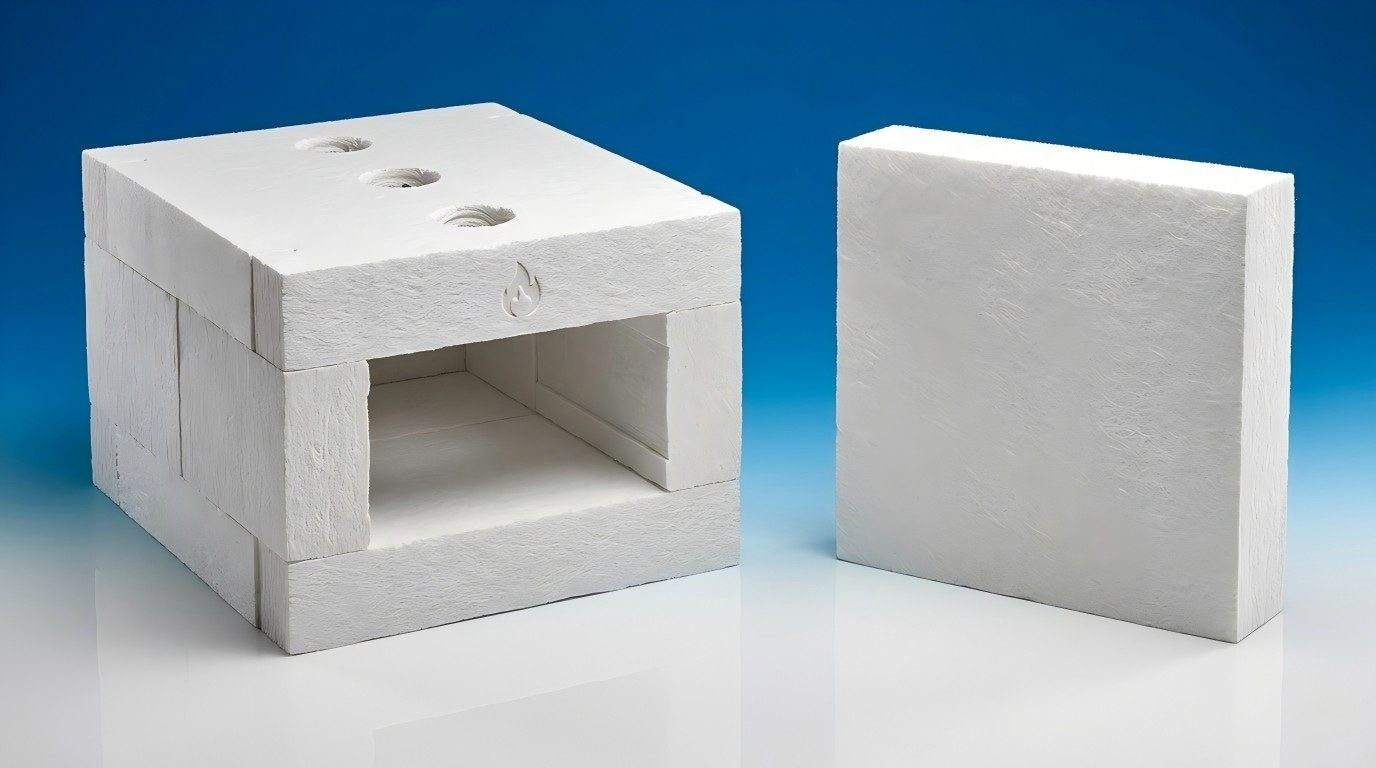
Integrating high-performance fire-rated boards is an indispensable strategy for safeguarding modern construction projects against the devastating impacts of fire. By understanding material properties, adhering to passive fire protection principles, and prioritizing quality installation, builders can ensure unparalleled safety and compliance.
Elevating Construction Standards
The strategic benefits of fire-rated boards extend far beyond basic code compliance. They are the silent guardians of structural integrity and human life. As architectural designs become more complex, the reliance on advanced, performance-tested materials will only continue to grow.
- Assess: Review your current project blueprints to identify all required fire separation walls and egress corridors.
- Consult: Speak with a FireSafe specialist to determine the optimal board material for your specific environmental conditions and budget.
- Implement: Partner with certified installers to guarantee that your passive fire protection systems perform flawlessly when it matters most.
Dica FireSafe Pro: Fire safety is a continuous commitment. Schedule annual inspections of your passive fire protection systems to ensure no subsequent renovations have compromised the integrity of your fire-rated barriers.