
When a fire breaks out in a commercial or residential building, elevator shafts and stairwell enclosures can act like chimneys, rapidly drawing smoke, toxic gases, and flames upward to other floors. To prevent this catastrophic spread, building codes strictly mandate the installation of specialized containment systems. Utilizing a high-quality Fire-rated Board is the most effective and compliant method to secure these vertical lifelines, ensuring occupants have a safe egress route while giving first responders critical time to act.
Video Guide: This overview demonstrates the critical importance of protecting lift shafts from rapid fire spread.
O que é uma placa resistente ao fogo?
A Fire-rated Board is a specialized, non-combustible building material engineered to withstand extreme temperatures and prevent the spread of fire, smoke, and toxic gases. Typically composed of gesso, cement, or silicato de cálcio with glass fiber reinforcements, these boards are specifically designed to maintain structural integrity during a fire emergency.
Video Guide: Watch these essential techniques for properly installing fire-rated wallboard systems.
Composição e materiais do núcleo
Understanding what makes a board fire-resistant requires looking at its internal structure. Unlike standard drywall, which can quickly crumble under intense heat, fire-rated alternatives are reinforced at a microscopic level.
- Type X Gypsum Core: Contains naturally occurring water molecules that resist high heat.
- Reforço de fibra de vidro: Acts as a binding web that holds the board together even after the gypsum has dehydrated.
- Calcium Silicate Blends: Used for heavy-duty applications requiring both fire resistance and high moisture tolerance.
- Unfaced Glass-Mat Backing: Replaces traditional paper facings to eliminate combustible materials from the board’s surface.
Dica FireSafe Pro: Always check the UL classification on the back of the board; standard drywall looks identical to a Type X Fire-rated Board but offers a fraction of the protection.
Como funciona uma placa resistente ao fogo?
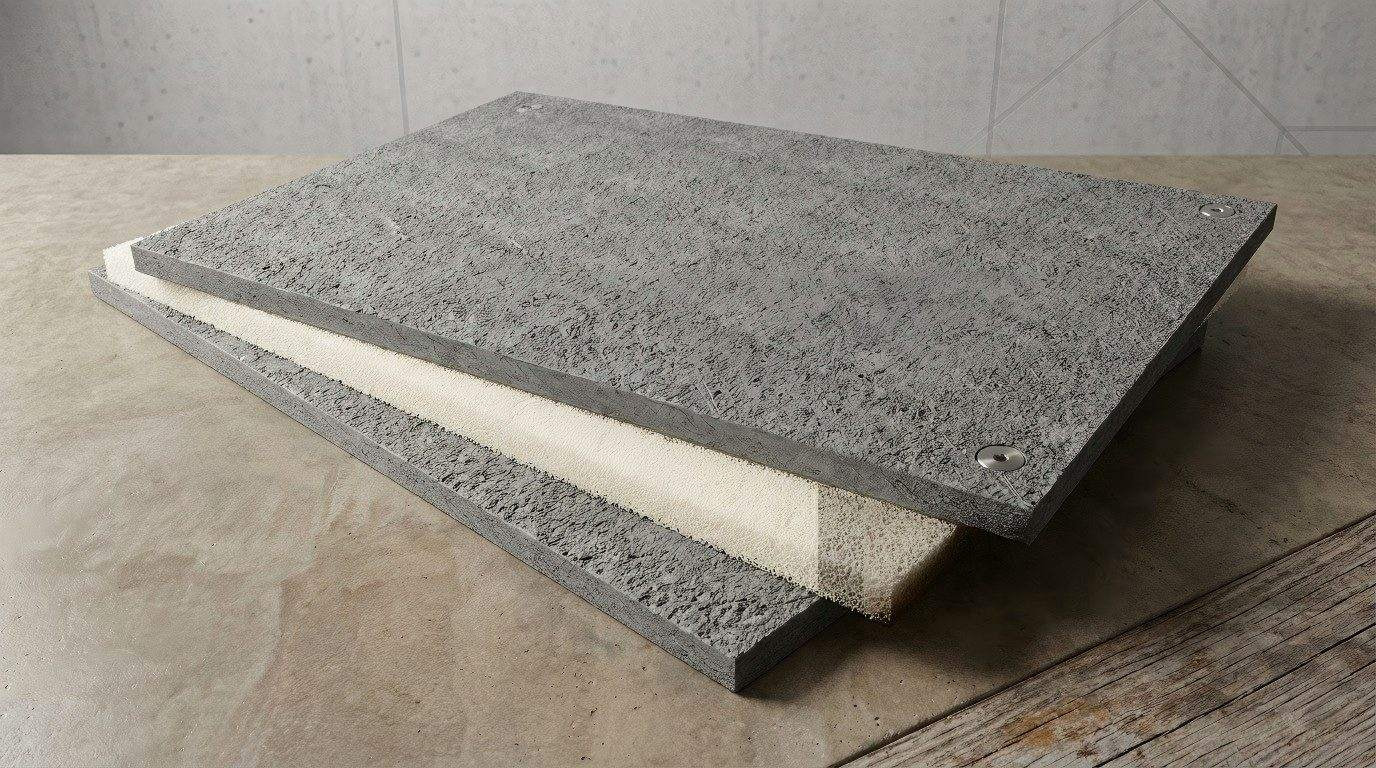
Fire-rated Boards work through a chemical process called calcinação. When exposed to intense heat, the chemically combined water within the board’s core is slowly released as steam. This reação endotérmica actively cools the surrounding assembly and delays heat transfer, effectively containing the fire within a specific compartment.
O processo de calcinação explicado
The effectiveness of these boards lies in termodinâmica. The board sacrifices itself to protect the structural framing behind it.
- Heat Exposure: Flames and intense heat make contact with the surface of the board.
- Water Release: The crystalline water trapped inside the gypsum core begins to vaporize.
- Steam Barrier: The escaping steam creates an invisible, cooling thermal barrier that prevents the temperature on the unexposed side from rising rapidly.
- Structural Hold: As the water depletes, the embedded glass fibers prevent the board from shrinking, cracking, or falling off the studs, maintaining the barrier for the rated duration.
Dica FireSafe Pro: Never compromise the integrity of the board with unsealed penetrations; even a small gap for a conduit can bypass the calcination barrier and let smoke through.
Do elevator shafts need to be fire rated?
Yes, elevator shafts absolutely must be fire-rated. Because vertical shafts act as flues that draw air upward, they can quickly spread fire and smoke throughout an entire building. Building codes mandate rigid fire-resistance ratings for these hoistways to compartmentalize the hazard and protect the building’s structural framework.
Video Guide: Learn the specific code requirements and construction methods for elevator hoistway protection.
Elevator Shaft Compliance Standards
Elevator hoistways present unique challenges because they are dynamic environments with moving parts and fluctuating air pressures.
- Piston Effect Resistance: The board assembly must withstand the push-pull air pressure created by elevator cars moving at high speeds.
- Contenção de fumo: Beyond just flames, the joints between boards must be sealed with specialized acoustic and fire caulking to prevent toxic smoke infiltration.
- Shaftliner Integration: Most modern hoistways utilize a 1-inch thick specialized shaftliner Fire-rated Board that can be installed entirely from the corridor side, eliminating the need for scaffolding inside the shaft.
Dica FireSafe Pro: When constructing elevator hoistways, ensure the Fire-rated Board system is designed to handle the intense air pressure changes caused by the elevator cars moving up and down.
Do the exit stair shafts require to be fire rated?
Exit stair shafts require strict fire ratings because they serve as the primary means of egress during an emergency. If a stairwell is compromised by smoke or flames, occupants become trapped. Fire-rated Boards ensure these exit routes remain passable and structurally sound until the building is fully evacuated.
Video Guide: A practical look at building a secure, fire-rated stairwell enclosure using steel studs and specialized boards.
Stairwell Enclosure Specifications
Stairwells are the most critical life-safety feature in multi-story construction. The materials used here must perform flawlessly under emergency conditions.
- Continuous Protection: The fire barrier must be continuous from the lowest level of the building all the way to the roof, with no unprotected openings.
- Impact Resistance: Because panicking crowds may bump into walls, stairwell boards often require higher impact resistance than standard fire-rated panels.
- Door Frame Integration: The Fire-rated Board must seamlessly integrate with heavy-duty fire doors, requiring reinforced framing at all entry points.
Dica FireSafe Pro: Pay special attention to the joints in stairwell enclosures; utilizing the correct fire-stopping compound on all seams is just as critical as the board itself.
What is the fire rating of a shaft enclosure?
The required fire rating of a shaft enclosure typically depends on the building’s height and occupancy type. Generally, shafts connecting four or more stories require a 2-hour fire-resistance rating, while shafts connecting three or fewer stories require a 1-hour rating, achieved using specific thicknesses of Fire-rated Board.
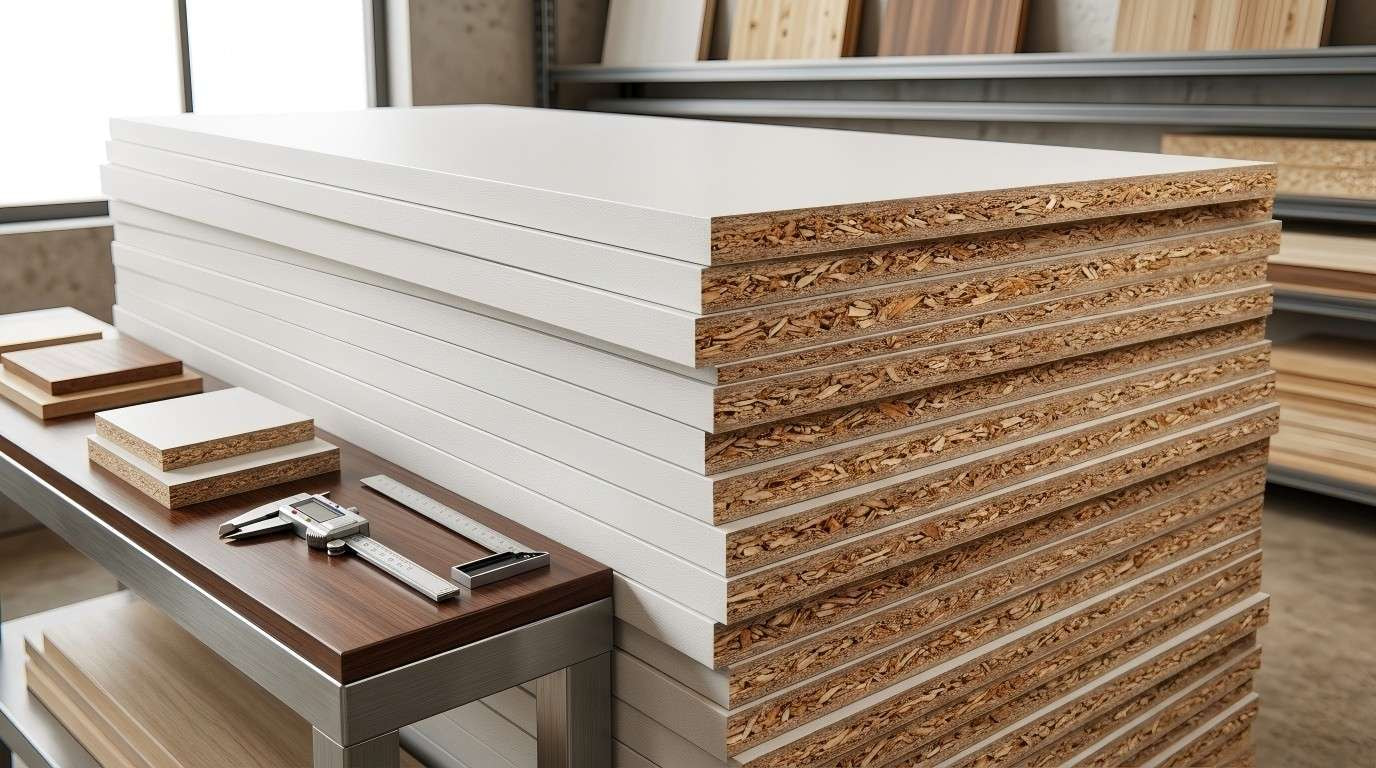
Rating Requirements by Building Height
Achieving these ratings requires precise architectural planning and the correct combination of materials.
Com base nos nossos dados internos e na análise do mercado, eis a repartição:
| Building Height | Shaft Type | Required Fire Rating | Typical Board Assembly |
|---|---|---|---|
| 1 to 3 Stories | Stairwell / Elevator | 1 hora | Single layer of 5/8″ Type X on both sides |
| 4+ Stories | Stairwell / Elevator | 2 horas | Double layer of 5/8″ Type X or specialized 1″ Shaftliner |
| High-Rise (75ft+) | Core Shafts | 2 to 3-Hour | Multi-layer assemblies with C-H steel studs |
| Underground | Egress / Venting | 2 horas | Moisture-resistant glass-mat fire boards |
Dica FireSafe Pro: A 2-hour rating isn’t just about doubling the board thickness; it requires a specifically engineered assembly of studs, tracks, and staggered board layers.
Principais caraterísticas e comparação
Selecting the right Fire-rated Board requires understanding the differences between available materials. While Type X gypsum is standard for many applications, calcium silicate or cementitious boards offer superior moisture resistance and durability for high-traffic or damp environments like basements and parking garage elevator shafts.
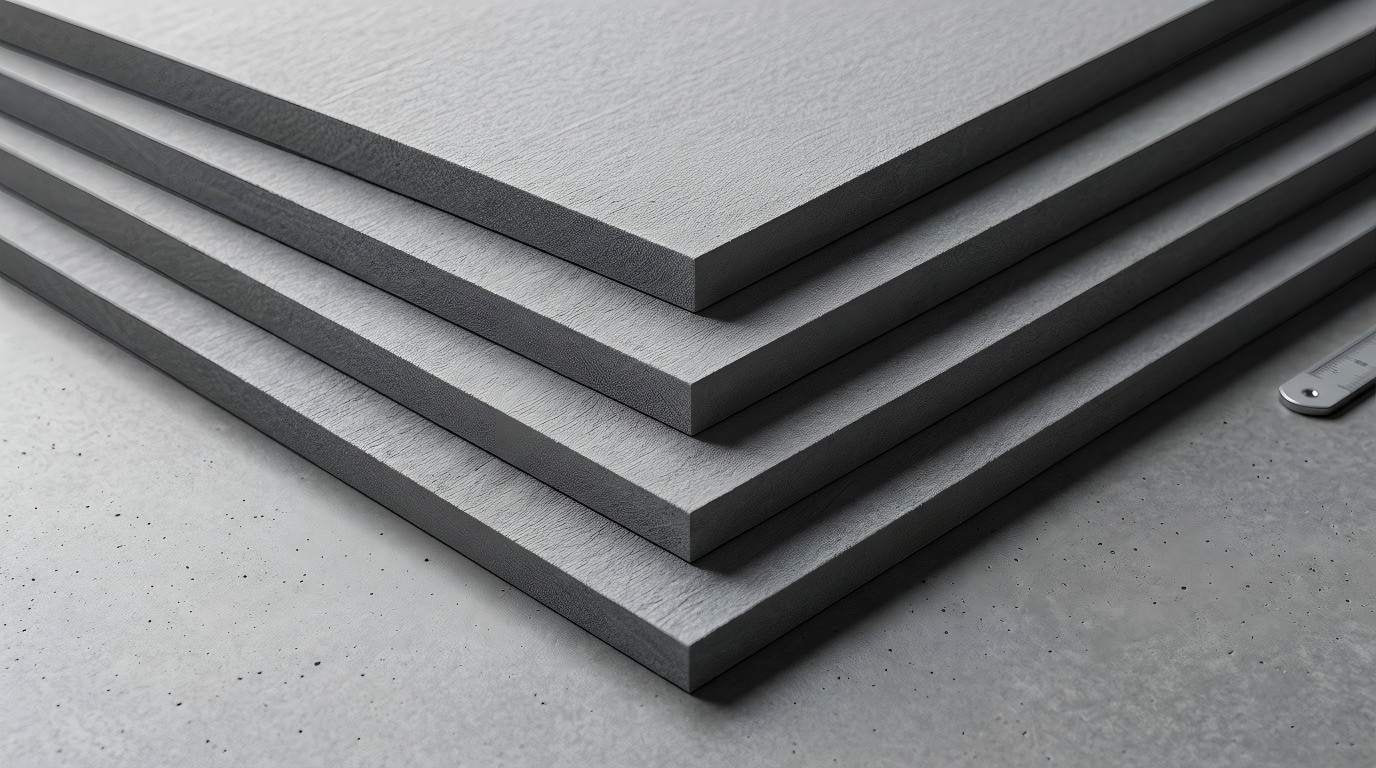
Comparação do desempenho dos materiais
Not all fire boards are created equal. Matching the board’s secondary features to the environment is crucial for longevity.
Com base nos nossos dados internos e na análise do mercado, eis a repartição:
| Tipo de material | Resistência ao fogo | Resistência à humidade | Impact Durability | Melhor Aplicação |
|---|---|---|---|---|
| Gesso tipo X | High (1-2 Hours) | Baixa | Moderado | Standard interior stairwells |
| Glass-Mat Gypsum | High (1-2 Hours) | Elevado | Moderado | Pre-dry-in construction phases |
| Silicato de cálcio | Extreme (2-4 Hours) | Muito elevado | Elevado | Damp basements, industrial shafts |
| Placa de cimento | High (1-2 Hours) | Extreme | Muito elevado | Exterior-facing egress routes |
Dica FireSafe Pro: If your elevator shaft is exposed to high humidity during the construction phase, opt for a glass-mat faced Fire-rated Board to prevent mold growth before the building is sealed.
Custo e factores de compra
The cost of installing a Fire-rated Board system varies based on the required hourly rating, material type, and labor complexity. While standard Type X boards are highly cost-effective, specialized shaftliner panels and heavy-duty calcium silicate boards require a higher initial investment but offer streamlined installation and enhanced longevity.
Budgeting for Shaft Enclosures
When procuring materials for shaft enclosures, project managers must look beyond the price per square foot of the board itself.
- Prémios relativos aos materiais: 1-inch thick shaftliner panels cost significantly more than standard 5/8-inch Type X, but they save massive amounts of labor time.
- Specialized Framing: Shaft walls require C-H or J-runner steel studs, which are more expensive than standard C-studs.
- Sealants and Fasteners: Fire-rated acoustic caulking and specialized corrosion-resistant screws can add 10-15% to the total material budget.
- Labor Efficiencies: Systems designed to be built entirely from one side (outside the shaft) eliminate the need for costly internal scaffolding.
Dica FireSafe Pro: Don’t just budget for the boards; factor in the specialized J-runners, C-H studs, and acoustic fire sealants required for a compliant shaft wall assembly.
Conclusão
Securing elevator shafts and stairwell enclosures with a certified Fire-rated Board is a non-negotiable aspect of modern building safety. These systems form the ultimate line of defense, preventing vertical fire spread and ensuring safe evacuation routes. Investing in proper fire containment protects both your property and human life.
Lista de verificação final de segurança
Before signing off on any shaft enclosure project, ensure all critical elements have been addressed.
- Verify the hour-rating requirement based on total building stories.
- Confirm that all seams, joints, and penetrations are sealed with certified fire-stopping materials.
- Ensure the chosen board type matches the environmental conditions (e.g., moisture resistance for lower levels).
- Inspect all door frames and elevator call-box penetrations for proper reinforcement.
Dica FireSafe Pro: Always retain your material certifications and installation logs; fire marshals and building inspectors will require this documentation for your Certificate of Occupancy.