Fire-rated gypsum board is a critical component in modern commercial and residential construction, engineered to slow the spread of fire and protect structural integrity. Understanding the technical specifications of these specialized panels, particularly the distinctions between Type X and Type C formulations, is essential for meeting stringent building codes and ensuring occupant safety.
Video Guide: Get a comprehensive overview of gypsum board types and their specific applications in modern construction.
What is Fire-rated Board?
Fire-rated board is a specialized construction panel manufactured with a non-combustible gypsum core that is reinforced with glass fibers. This unique composition allows the drywall to maintain its structural integrity longer than standard panels when exposed to extreme heat, providing critical time for evacuation and fire suppression efforts.
Video Guide: Watch how Type X and Type C gypsum boards are utilized in standardized UL assemblies for maximum safety.
Core Composition and Manufacturing
The manufacturing process of fire-rated board significantly differs from standard drywall to ensure thermal resilience. Standard drywall contains mostly gypsum and paper, whereas fire-rated variants are heavily engineered.
- Core Formulation: The core is packed with high-density gypsum that contains chemically combined water molecules.
- Glass Fiber Integration: Microscopic glass fibers are woven into the gypsum matrix, acting as a structural net that prevents the board from collapsing when the gypsum dehydrates.
- Heavy-Duty Facing: The exterior paper facing is denser and treated to resist immediate ignition, further protecting the core material.
FireSafe Pro Tip: Always inspect the edge of the drywall during installation; true fire-rated boards will have the UL classification clearly printed along the binding tape.
How Does Fire-rated Board Work?
Fire-rated board works through a chemical process called calcination. When exposed to high temperatures, the chemically combined water molecules within the gypsum core are released as steam. This endothermic reaction actively absorbs heat energy, effectively cooling the panel and delaying the transfer of fire to the structural framing.
Video Guide: Learn how the UL Fire Resistance Directory classifies assemblies based on their performance during the calcination process.
The Calcination Process Explained
Gypsum naturally contains about 21% chemically combined water by weight. Under fire conditions, this water becomes the primary defense mechanism for the building structure.
- Initial Heat Exposure: As ambient temperatures rise, the surface of the board begins to heat, triggering the internal chemical reaction.
- Steam Release: At approximately 212°F (100°C), the water within the gypsum vaporizes and escapes as steam, creating a cooling barrier.
- Fiber Reinforcement: As the water leaves, standard gypsum shrinks and cracks. However, the glass fibers in fire-rated boards hold the calcined (dried) gypsum together, maintaining a physical barrier against the flames.
FireSafe Pro Tip: Never compromise a fire-rated assembly by using standard joint compound; always use fire-taping methods and approved acoustic fire sealants at the perimeter.
What is the difference between type C and type X gypsum board?
The primary difference between Type C and Type X gypsum board lies in core shrinkage under fire conditions. While both contain glass fibers, Type C is heavily infused with vermiculite components that expand when heated. This expansion compensates for core shrinkage, allowing Type C to outperform Type X in ceiling assemblies.
Video Guide: Compare the physical reactions of Type X and Type C wallboards when subjected to direct flame.
Structural Performance Variations
Based on our internal data and market analysis, here is the breakdown:
| Feature | Type X Gypsum Board | Type C Gypsum Board |
|---|---|---|
| Primary Additive | Glass fibers | Glass fibers and Vermiculite |
| Fire Resistance | 1-hour rating (standard 5/8″) | Exceeds 1-hour rating (at 1/2″ or 5/8″) |
| Best Application | Vertical walls and partitions | Horizontal ceilings and roof assemblies |
| Core Shrinkage | Shrinks slightly under extreme heat | Expands to counteract shrinkage |
FireSafe Pro Tip: If your architectural plans specify a 1-hour rated ceiling assembly with wood joists, Type C is often the mandatory choice to prevent premature sagging during a fire.
What is type X fire rated drywall?
Type X fire-rated drywall is a specific classification of gypsum panel designed to provide a minimum of one-hour fire resistance for a standard 5/8-inch thick board applied to wood framing. It features a specially formulated core with high-density glass fibers that prevent the panel from crumbling during intense heat.
Video Guide: Discover the specific engineering behind Type X panels and why they are an industry standard.
Standard Testing and Certification
To earn the Type X designation, the drywall must pass rigorous standardized testing protocols established by organizations like ASTM International and Underwriters Laboratories (UL).
- ASTM E119 Testing: The board is subjected to a controlled furnace test where temperatures reach 1,700°F within the first hour.
- Hose Stream Test: Immediately after fire exposure, the hot assembly is blasted with a high-pressure fire hose to ensure it does not physically shatter.
- Load Bearing Assessment: For load-bearing walls, the assembly must support its intended structural weight throughout the entire duration of the fire exposure test.
FireSafe Pro Tip: When installing Type X drywall, ensure all seams fall directly on a framing stud to maintain the continuous fire barrier required by UL standards.
What does type X mean for drywall?
For drywall, “Type X” represents an official industry standard and building code designation indicating enhanced fire resistance. It signifies that the panel has passed rigorous ASTM E119 testing, proving it can withstand prolonged fire exposure without structural failure, making it mandatory for commercial corridors, stairwells, and garage-to-house partitions.
Video Guide: Understand the building code implications and exact definitions of Type X gypsum panels.
Building Code Implications
The “X” designation is a universal marker used by building inspectors and architects to verify that the correct life-safety materials are being utilized in vulnerable areas.
- Commercial Corridors: Building codes mandate Type X to ensure safe egress paths for occupants in large structures.
- Multi-Family Housing: It is used as a demising wall between apartments to prevent fire from jumping from one unit to another.
- Residential Garages: Code requires Type X between an attached garage and the main living space due to the high risk of fuel-based fires.
FireSafe Pro Tip: Do not confuse “fire-resistant” with “fire-proof.” Type X drywall buys critical evacuation time but will eventually succumb to sustained, extreme temperatures.
Key Features & Comparison
When evaluating fire-rated boards, understanding the distinct features of each classification is vital for project success. Both Type X and Type C offer exceptional fire protection, but their unique core formulations dictate their specific use cases in vertical versus horizontal structural assemblies.
Video Guide: Dive deeper into how different gypsum board formulations compare in real-world construction scenarios.
Comprehensive Material Analysis
Based on our internal data and market analysis, here is the breakdown:
| Specification | Standard Drywall | Type X Board | Type C Board |
|---|---|---|---|
| Thickness | 1/2 inch | 5/8 inch | 1/2 or 5/8 inch |
| Core Density | Low | High | Very High |
| Glass Fibers | No | Yes | Yes (High Concentration) |
| Vermiculite Additive | No | No | Yes |
FireSafe Pro Tip: While Type C is superior, it is also more expensive. Value-engineer your project by using Type X for vertical walls and reserving Type C strictly for ceiling assemblies where it is required.
Cost & Buying Factors
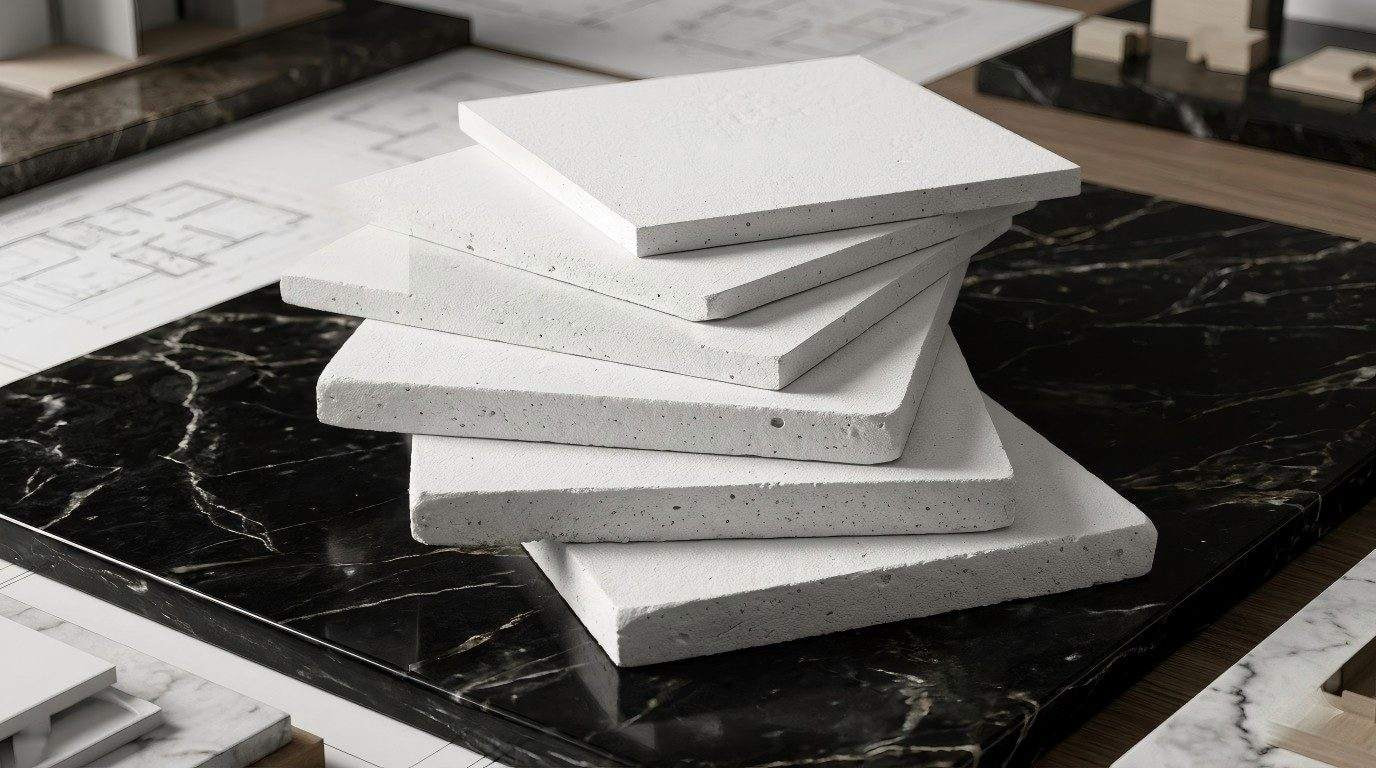
Budgeting for fire-rated board requires accounting for both material premiums and specialized installation labor. Type X typically costs twenty to thirty percent more than standard drywall, while Type C commands an even higher premium due to its advanced vermiculite formulation and superior structural performance under thermal stress.
Financial Planning for Fire Protection
When purchasing fire-rated materials, the board itself is only one part of the equation. You must also budget for the complementary materials required to maintain the fire rating.
- Material Premiums: Expect to pay higher per-sheet costs, especially for Type C boards which are manufactured in smaller batches.
- Fastener Requirements: Fire-rated assemblies often require specific screw lengths and tighter spacing, increasing hardware costs.
- Specialized Sealants: Fire-caulk and intumescent putties are required around all penetrations (like electrical outlets) to maintain code compliance.
FireSafe Pro Tip: Always order 10% to 15% more material than your square footage dictates; patching fire-rated assemblies with multiple small scraps can compromise the structural integrity and fail inspection.
Conclusion
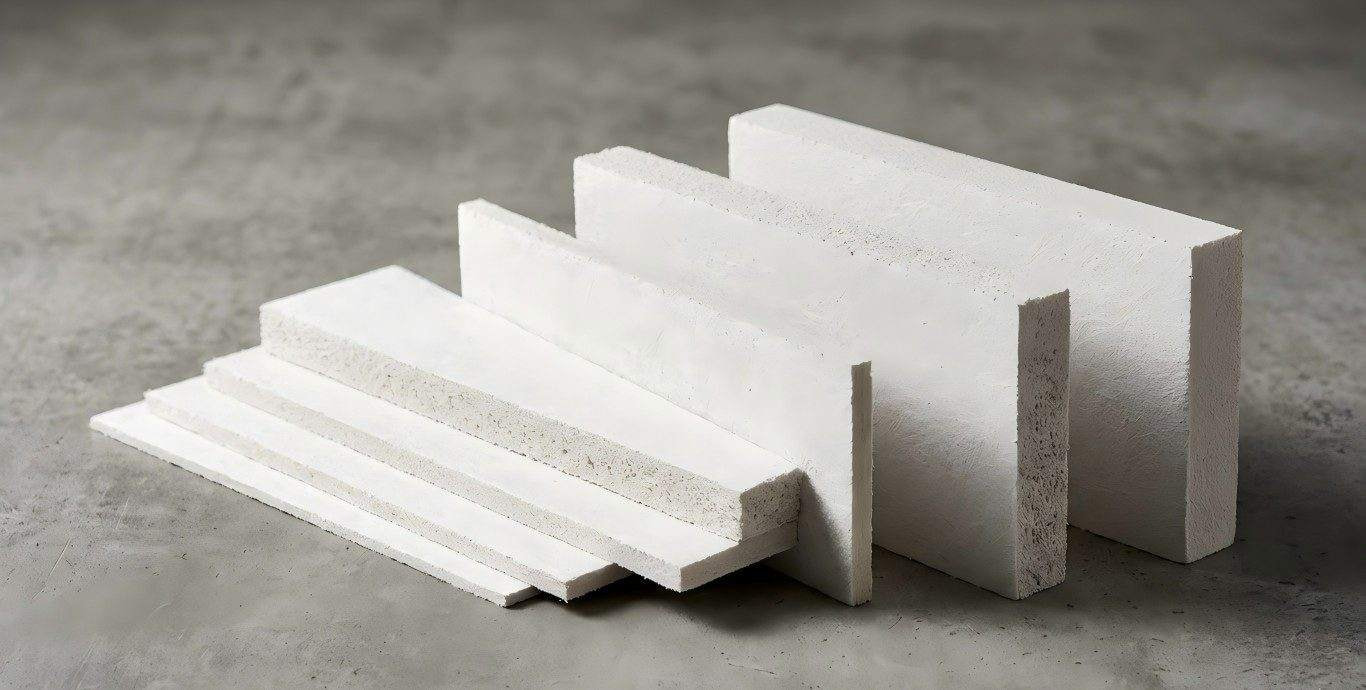
Selecting the correct fire-rated board is a non-negotiable aspect of modern building safety and code compliance. By understanding the chemical and structural differences between Type X and Type C gypsum boards, contractors and builders can engineer safer, more resilient structures that protect both property and human life.
Final Recommendations
To ensure full compliance and maximum safety, always verify your materials against your specific project requirements.
- Consult the UL Directory: Verify that your chosen board matches the specific UL assembly design number required by your architect.
- Verify Local Codes: Municipalities may have stricter fire codes than national standards; always check with your local fire marshal.
- Hire Certified Professionals: Proper installation is just as critical as the material itself. Ensure your drywallers are experienced with fire-rated assemblies.
FireSafe Pro Tip: Keep all documentation and receipts for your fire-rated materials and sealants on-site. Building inspectors often request proof of materials before signing off on the rough-in inspection.